

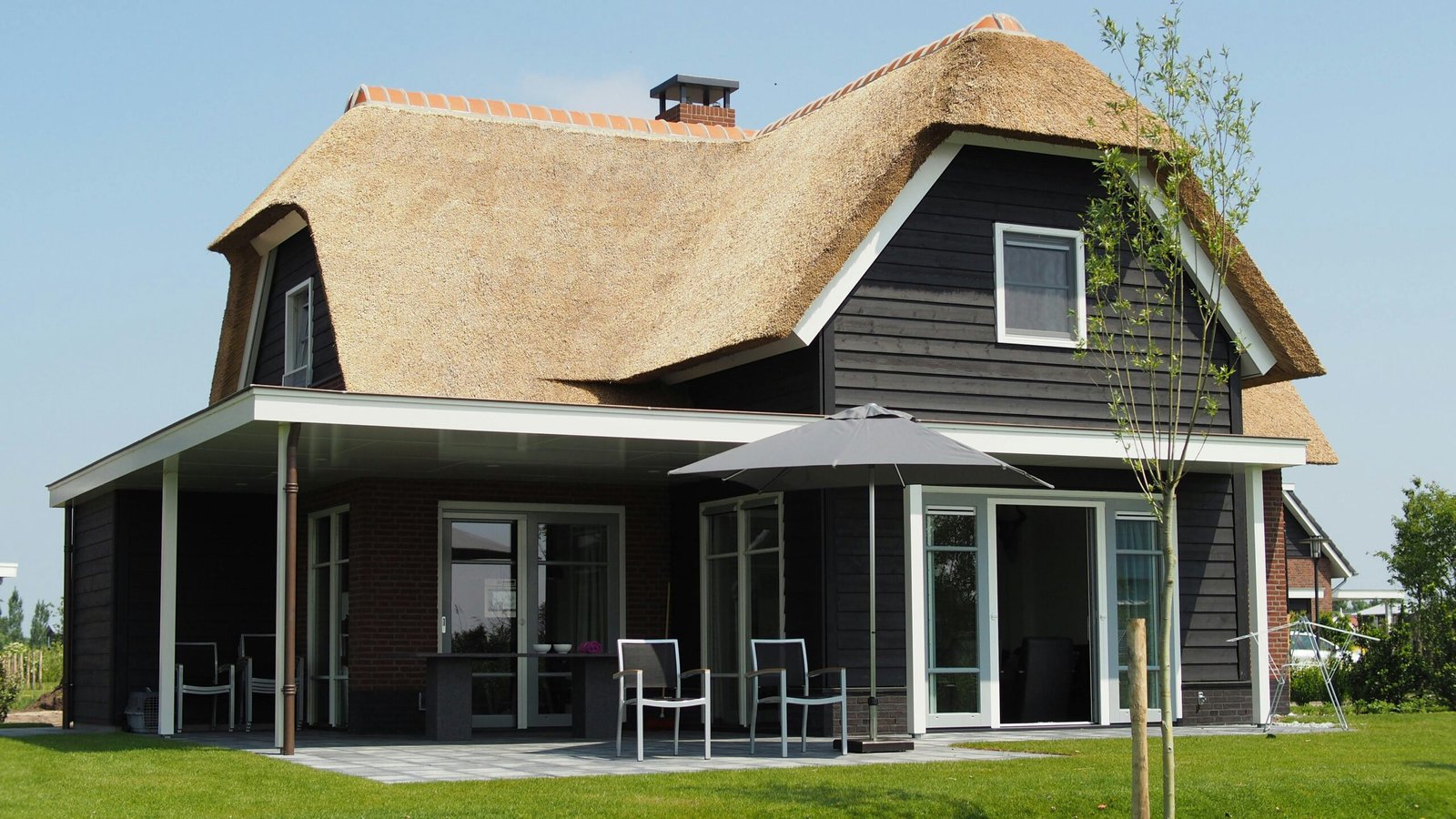
Restoring an old house isn’t just about fixing what’s broken, it’s about breathing new life into a piece of history while respecting everything that makes it special. The real art lies in striking that delicate balance between honoring architectural heritage and creating a space that actually works for how people live today. Anyone who’s tackled a restoration project knows it’s like walking a tightrope, where every decision could either enhance the home’s character or strip away the very qualities that made it worth saving in the first place. What worked for families a century ago doesn’t always mesh with modern expectations, yet that’s precisely what makes historic homes so captivating.
Research Your Home’s Architectural History
Here’s where the detective work begins, and it’s honestly one of the most fascinating parts of any restoration project. Before you even think about picking up a hammer, spend time digging into your home’s story, when it was built, who designed it, and what architectural influences shaped its character. Local historical societies often have treasures tucked away in their archives: old photographs, building permits, newspaper clippings that mention previous owners. Property records can reveal surprising details about additions and alterations over the years.
Preserve Original Architectural Features
What really sets historic homes apart from their modern counterparts? It’s those distinctive details that catch your eye the moment you walk through the door. We’re talking about ornate crown moldings that required a craftsman’s steady hand, decorative ceiling medallions, hand-carved fireplace mantels that tell stories in wood grain, and original hardwood floors worn smooth by generations of footsteps. These elements aren’t just decorative, they’re the soul of your historic home. Whenever possible, preservation beats replacement hands down.
Upgrade Systems Without Compromising Character
Let’s be practical for a moment: nobody wants to live without reliable electricity, functional plumbing, or adequate heating and cooling. Historic homes weren’t built with these modern essentials in mind, which creates an interesting challenge. The trick is weaving these necessary systems into your home in ways that don’t announce their presence or damage irreplaceable features. This is where working with contractors who really understand historic renovations becomes invaluable, they know how to snake wiring through walls and route ductwork without hacking into original plaster or damaging beautiful woodwork.
Maintain Historic Roofing and Exterior Elements
Your home’s roof and exterior walls aren’t just about looks, they’re the first line of defense against weather and time. Original roofing materials, whether it’s slate tiles that ring like bells when tapped, clay tiles baked in long-defunct kilns, hand-split wood shakes, or standing seam metal, define your home’s silhouette and character. Sure, replacing historic roofing materials with matching specimens costs more than slapping on modern asphalt shingles, but here’s the thing: properly maintained historic roofing often outlasts cheaper alternatives by decades. Regular inspections catch small issues before they escalate into major structural problems. When restoration becomes necessary, working with professionals who specialize in period-appropriate materials, like Ace Roofing Company, ensures that replacements match both the specifications and installation methods of the original, maintaining authenticity that adds real value. The same philosophy applies to siding, whether it’s clapboard, decorative shingles, or masonry work. Preserve and repair rather than cover up with modern materials that might offer convenience but sacrifice character. Don’t overlook those decorative exterior elements either, brackets, bargeboards, and trim pieces that might seem like small details actually define your home’s architectural personality.
Choose Period-Appropriate Colors and Finishes
Color wields tremendous power in restoration work, capable of either enhancing authenticity or undermining your careful efforts elsewhere. Historic color palettes often surprise people who’ve only known contemporary preferences, Victorians loved their bold, rich combinations, while Colonial-era homes featured colors mixed from natural pigments with very different characteristics than today’s paints. Fortunately, several paint manufacturers now offer historically accurate color collections developed by analyzing original paint layers from period homes. Interior finishes deserve equal attention to color selection.
Work With Preservation Professionals
Here’s a truth that bears repeating: restoring a historic home demands knowledge and skills that go well beyond typical construction expertise. General contractors might build beautiful modern homes, but understanding how to preserve a 150, year-old structure requires specialized training and experience. Architects with preservation credentials bring invaluable perspective, helping navigate everything from sourcing appropriate materials to designing necessary additions that enhance rather than compete with original structures. Skilled craftspeople who understand traditional techniques, whether it’s lime plaster application, timber framing, or hand-planing woodwork, can execute repairs that truly match the quality of original construction.
Conclusion
Restoring an old house while keeping its historic soul intact demands patience, careful research, and genuine respect for the builders and craftspeople who came before. When you commit to preserving original features, integrate modern necessities thoughtfully, and tap into the knowledge of preservation specialists, you create something truly special, a home that bridges past and present gracefully. The time and care invested in authentic restoration brings rewards that extend far beyond personal satisfaction. You’re maintaining architectural heritage that enriches entire communities, keeping alive building traditions and design principles that deserve remembrance. Your restored historic home becomes a living connection to the past, demonstrating that quality craftsmanship and thoughtful design never go out of style. Future generations will walk through your doors and appreciate not just the beauty you’ve preserved, but the care you took to honor history while creating a vibrant, livable space for today and tomorrow.
For more expert tips on home improvement, restoration ideas, and practical lifestyle guidance, explore additional content on My Blogs Network. The platform offers insightful articles designed to help homeowners make informed decisions while preserving character and enhancing functionality. discover more resources that support thoughtful and creative living.