

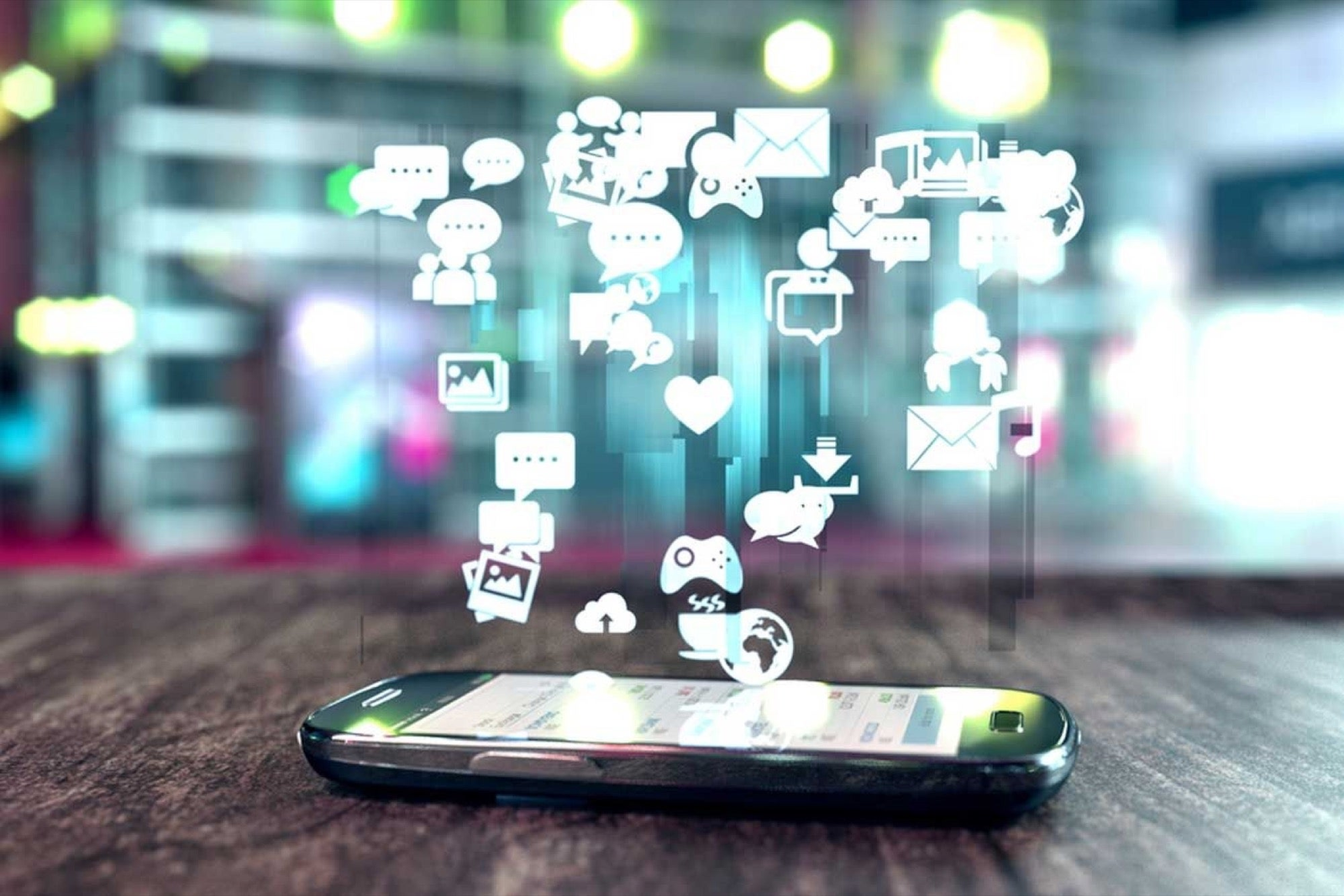
Mobile apps used to be optional; now they’re part of how people live. From ordering food to tracking schedules or staying in touch, apps have become the go-to tool for handling everyday tasks.
What began as convenience has turned into dependence, shaped by how fast life moves and how much needs to get done on the go. But such a change didn’t happen all at once, yet its impact is clear: mobile tools have become essential.
Our Lives Are More Connected… And More Digital
Technology has changed how people live. Tasks that once required effort, time, or travel are now handled in seconds. Daily routines have shifted to keep pace with the speed of mobile devices and constant connectivity. The result is a way of living where digital access isn’t optional; it’s built into everything.
Across Europe, meetings that once filled calendars with travel are now handled through video calls and shared documents. Offices work across borders without moving anyone. It’s efficient, direct, and saves resources. For many teams, this has become the default—normal, not new.
Entertainment has moved in the same direction. One of the clearest examples is the shift in the casino industry. Online casino UK platforms now offer full access to games, live dealers, and interactive features that go beyond what most physical casinos provide. This kind of experience is no longer tied to location. It’s becoming a fully digital activity.
The change is visible elsewhere, too. Streaming services have replaced fixed TV schedules. Viewers choose when to watch, what to watch, and on which device.
A central factor behind all of this is the rise of apps. They shape how people move through the day: managing schedules, handling payments, joining meetings, or relaxing during breaks. Apps have become the framework that supports modern life.
Apps That Moved From Convenience to Necessity
Some apps truly changed how people handle core parts of daily life. Here are the ones that made the biggest shift.
Navigation and Mapping
Google Maps and Waze have replaced printed directions entirely. Real-time traffic updates, turn-by-turn navigation, and live rerouting make them essential for drivers, cyclists, and even pedestrians in unfamiliar areas. Without them, most people wouldn’t attempt travel in new cities.
Communication
WhatsApp, Telegram, and Zoom have become the standard for both personal and professional contact. Group chats replaced long email chains. Video calls handle everything from casual check-ins to business meetings. These tools are now relied on across borders and time zones.
Banking and Payments
PayPal, Revolut, Venmo, and official bank apps like Chase Mobile or Barclays allow users to manage money instantly. From transferring funds to splitting bills or checking balances, these apps have cut out the need for in-person banking for millions.
Health and Fitness
Apple Health, Google Fit, and MyFitnessPal track steps, sleep, heart rate, and nutrition. Combined with wearables like the Apple Watch or Fitbit, they provide data that users now depend on to monitor health and adjust habits.
Productivity and Task Management
Apps like Todoist, Notion, and Google Calendar help users manage projects, appointments, and daily routines. Many of these sync across devices and work environments, reducing the risk of missed deadlines or forgotten tasks.
Ride-Sharing
Uber, Lyft, and Bolt have turned transport into an on-demand service. Whether commuting, heading to the airport, or avoiding public transport, people now rely on these apps to move through cities without planning ahead.
What Daily App Use Has Changed for the Better
As expected, daily use of mobile apps changed how people manage time, access information, and interact with others.
Faster and Simpler Daily Tasks
Routine actions take far less effort than they once did. Grocery shopping, bill payments, travel planning, and appointment scheduling now happen in minutes. What used to require coordination, travel, or waiting is handled through a few taps.
Information Without Barriers
Access to knowledge has widened. News, tutorials, language courses, and professional training are available on demand. People no longer rely solely on formal education or physical resources to learn something new.
Stronger Social Connections
Distance plays a smaller role in relationships. Messaging and calling apps allow regular contact without planning or cost. Families stay connected across countries, friendships last longer, and shared interests bring people together in online communities.
Reduced Physical Footprint
Digital alternatives have replaced many paper-based and travel-heavy processes. Documents are shared online, meetings happen remotely, and services are delivered digitally. While this doesn’t eliminate environmental impact, it reduces unnecessary movement and resource use in many sectors.
Structural Elements of Modern Life
Apps no longer sit on the side of daily routines; they shape them. Interfaces are becoming more responsive, systems are becoming more predictive, and interactions are becoming more seamless. Tools now adapt to habits instead of forcing users to adjust.
What’s clear is that apps have shifted from optional helpers to structural elements of modern life. They influence how time is spent, how decisions are made, and how people stay connected. That role is now established, and it continues to shape how everyday life functions.