

Getting a tattoo removed can feel like a big decision, especially if you’re considering it for the first time. Whether you’re dealing with regret over a past relationship, a design that no longer fits your lifestyle, or simply want a fresh canvas for new ink, understanding the removal process helps ease any concerns you might have. This guide walks you through everything you need to know before your first appointment.
How Laser Tattoo Removal Actually Works
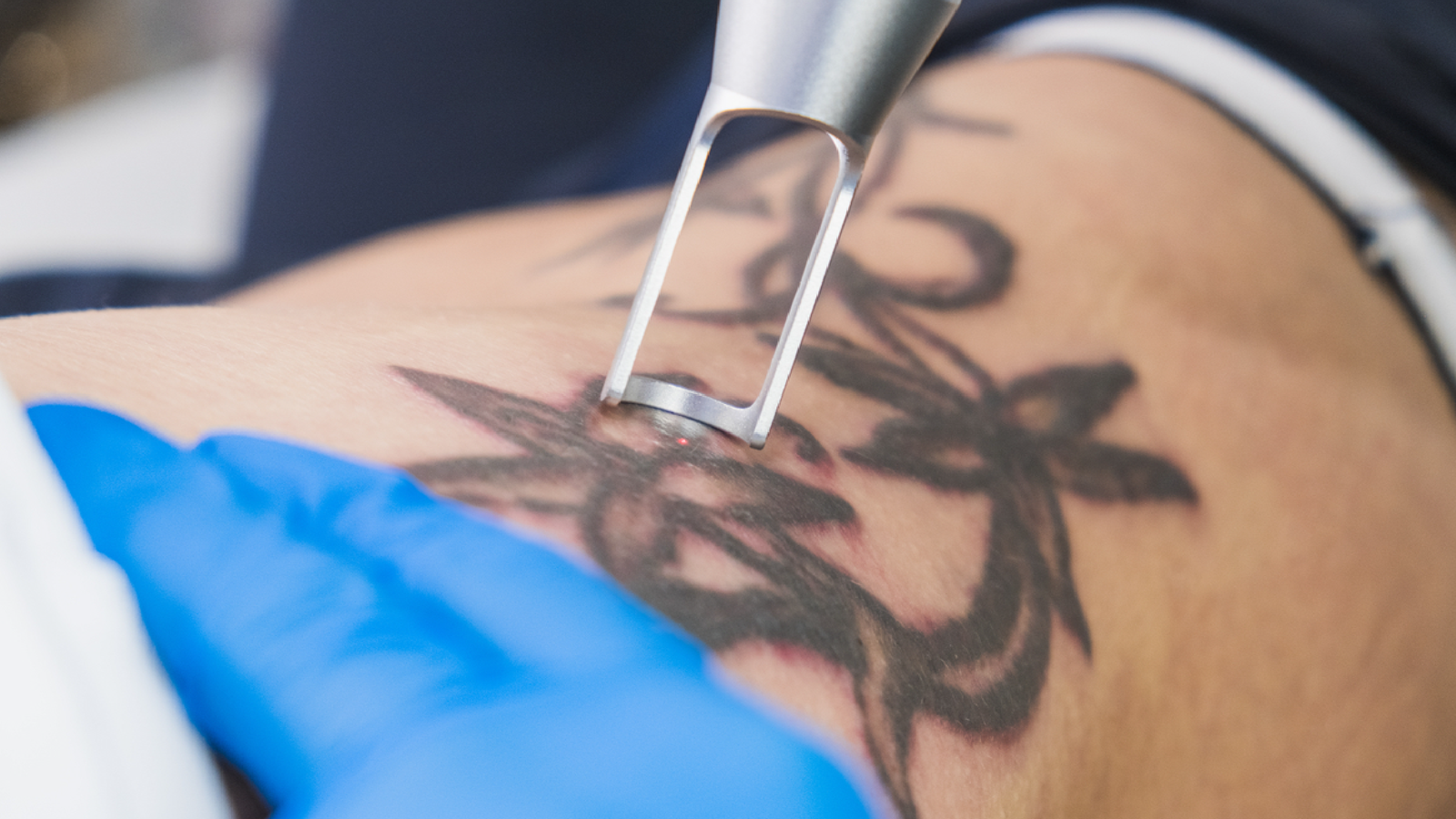
Laser tattoo removal uses concentrated light energy to break down the ink particles embedded in your skin. The laser targets specific colors in the tattoo, heating the ink until it fragments into tiny pieces. Your body’s immune system then naturally flushes these smaller particles away over time.
Different wavelengths of laser light work on different ink colors. Black and dark blue inks typically respond best to treatment because they absorb all laser wavelengths. Lighter colors like yellow, green, and purple can be more challenging and may require specialized equipment.
The process isn’t instantaneous. Each session removes a portion of the ink, with your body continuing to eliminate particles for weeks after treatment. This is why multiple sessions spaced several weeks apart are necessary for complete removal.
What to Expect During Your First Session
Your first appointment will likely begin with a consultation where a technician assesses your tattoo. They’ll examine the size, colors, location, and age of your tattoo to create a customized treatment plan. Professional tattoos typically require more sessions than amateur ones because they contain more ink.
During the actual treatment, most people describe the sensation as similar to having a rubber band snapped against the skin repeatedly. Some clinics offer numbing cream or cooling devices to minimize discomfort. The procedure itself is usually quick, with small tattoos taking just a few minutes.
After treatment, you’ll notice the area looks frosted or whitish immediately. This is completely normal and fades within minutes. Some redness, swelling, and tenderness are expected and typically resolve within a few days.
How Many Sessions Will You Need
The number of sessions required varies significantly based on several factors. Amateur tattoos might need 3-5 sessions, while professional tattoos often require 6-12 or more treatments. Boston tattoo removal specialists can provide more accurate estimates after evaluating your specific tattoo.
Ink color plays a major role in treatment length. Black ink typically clears fastest, while bright colors take longer. The depth of the ink also matters since deeper ink requires more sessions to reach and break down effectively.
Your body’s immune system efficiency affects results too. Younger, healthier individuals with strong immune systems often see faster clearing. Lifestyle factors like smoking can slow the process by reducing circulation and immune function.
Preparing for Your Tattoo Removal Journey
Before your first session, avoid sun exposure on the tattooed area for at least four weeks. Tanned or sunburned skin increases the risk of complications and may require postponing treatment. If you must be in the sun, use high-SPF sunscreen on the area.
Stay well-hydrated in the weeks leading up to your appointment. Good hydration supports your immune system and helps your body flush out ink particles more efficiently. Avoiding alcohol for 24 hours before treatment also helps minimize bruising.
Come to your appointment with clean skin free of lotions, makeup, or other products. Wear comfortable clothing that provides easy access to the tattooed area. If you’re concerned about pain, ask your technician about numbing options available at your clinic.
Aftercare Tips for Optimal Results
Proper aftercare significantly impacts your results and reduces the risk of complications. Keep the treated area clean and dry for the first 24 hours. Apply any prescribed ointment as directed and cover with a sterile bandage if recommended.
Avoid picking at blisters or scabs that may form. These are normal healing responses, and interfering with them increases scarring risk. Let your body heal naturally, even if it’s tempting to speed things along.
Skip intense exercise, hot tubs, swimming pools, and saunas for at least 48 hours after treatment. These activities can irritate the treated skin and increase infection risk. Continue protecting the area from sun exposure throughout your entire removal journey.
Making Your Decision
Tattoo removal is a commitment that requires patience and realistic expectations. Complete removal is possible for many tattoos, though some may leave slight shadowing. Understanding the process, timeline, and care requirements helps ensure you’re prepared for the journey ahead.
Research your options carefully and choose a reputable clinic with experienced technicians and proper equipment. Don’t hesitate to ask questions during your consultation about their experience, technology, and success rates. Your skin deserves the best care possible as you work toward your fresh start.