

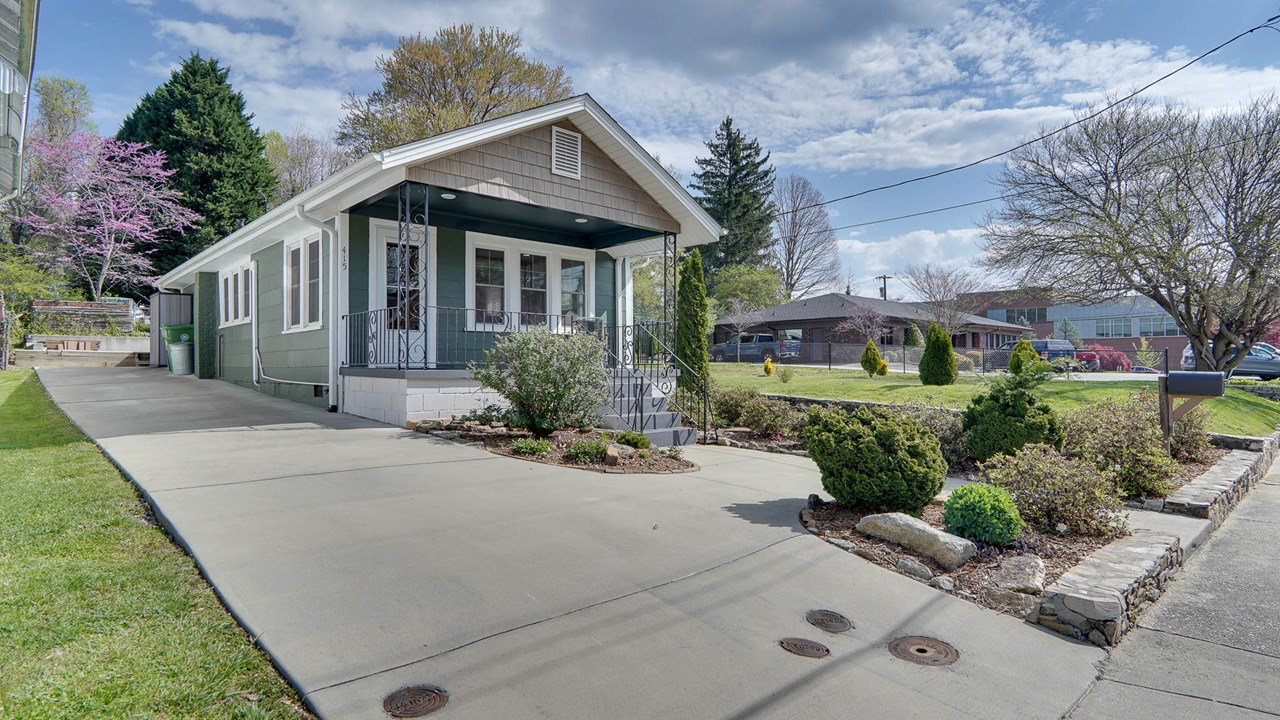
Protecting your property is about more than locking the front door at night. True property safety comes from a well-rounded approach that addresses structure, security, maintenance, and preparedness. Whether you own a home, rental, or commercial building, taking proactive steps can save you from costly repairs, unexpected downtime, and unnecessary stress. This complete safety guide walks you through how to protect your property from top to bottom.
Start with the Structure
Your property’s structure is its first line of defense. Regular inspections help identify small issues before they become major problems. Begin with the roof, checking for loose shingles, leaks, or signs of water damage. A compromised roof can quickly lead to mold, insulation problems, and interior damage.
Walls, foundations, and siding should also be examined for cracks, gaps, or signs of moisture intrusion. Sealing these areas improves durability and energy efficiency while keeping pests and water out. Windows and doors deserve special attention as well tight seals, intact frames, and functional locks all contribute to both safety and comfort.
Don’t Overlook Entry Points
Entry points are among the most vulnerable areas of any property. Doors, windows, garages, and even basement access points should be secure and well-maintained. Installing high-quality locks and reinforcing door frames can significantly reduce the risk of break-ins.
Garages are often overlooked, yet they provide direct access to your property. Keeping garage doors in good working order is essential for security and safety. If you notice unusual noises, slow movement, or damaged panels, addressing the issue promptly such as scheduling garage door repair in Sandy can help prevent accidents and unauthorized access.
Invest in Smart Security Measures
Modern security systems offer more protection than ever before. Cameras, motion sensors, alarms, and smart locks allow you to monitor your property in real time, even when you’re away. Visible security features can also deter potential intruders before they act.
Lighting is another powerful security tool. Well-lit entryways, pathways, and outdoor areas reduce hiding spots and increase visibility. Motion-activated lights are especially effective, combining energy efficiency with enhanced safety.
Maintain Systems That Keep You Safe
Many safety risks come from neglected systems. Electrical wiring, plumbing, heating, and cooling systems should be serviced regularly by qualified professionals. Faulty wiring can lead to fires, while plumbing leaks can cause structural damage and mold growth.
Smoke detectors, carbon monoxide alarms, and fire extinguishers should be installed in appropriate locations and tested regularly. These small devices play a massive role in protecting lives and property during emergencies.
Protect Against Weather and Natural Hazards
Weather-related damage is one of the most common threats to property. Clear gutters and downspouts to prevent water buildup and foundation damage. Trim trees and branches that could fall during storms, especially those close to roofs or power lines.
If your area is prone to specific hazards like floods, heavy snow, or extreme heat, take targeted precautions. Flood barriers, proper drainage, insulation, and weatherproofing materials all help your property withstand environmental challenges.
Keep Pests and Wear at Bay
Pests can silently damage a property if left unchecked. Regular inspections and preventative treatments help protect wood, insulation, and wiring from insects and rodents. Sealing cracks and keeping outdoor areas clean further reduces attraction points.
General wear and tear should also be addressed promptly. Loose railings, uneven walkways, or deteriorating surfaces can lead to injuries and liability issues. Routine maintenance not only keeps your property safe but also preserves its value over time.
Stay Organized and Prepared
Preparedness is an often-overlooked aspect of property protection. Keep important documents, warranties, and maintenance records organized and easily accessible. An emergency plan including evacuation routes, contact numbers, and utility shut-off locations can make a critical difference during unexpected situations.
Insurance coverage should be reviewed regularly to ensure it reflects your property’s current value and risks. Proper coverage provides financial protection and peace of mind when prevention isn’t enough.
A Holistic Approach Pays Off
Protecting your property from top to bottom requires consistency, awareness, and proactive care. By maintaining the structure, securing entry points, investing in smart security, and staying prepared for both everyday wear and unexpected events, you create a safer, more resilient property.
A little attention today can prevent major problems tomorrow. With a complete safety strategy in place, you’re not just protecting a building you’re protecting your investment, your peace of mind, and the people who rely on that space every day.