
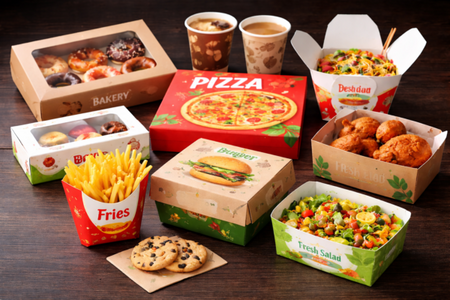
The best types of food packaging keep meals safe and fresh. They keep food safe from air, dust, and germs. They also prepare food that is easy to carry. Any food materials should be in accordance with the regulations of the American Food and Drug Administration. These regulations safeguard the health of the people. There are various packaging styles for different foods. Some are best for shipping. Some are best for display. Some are best for delivery. The appropriate style will contribute to preserving the safety of food and customer satisfaction.
Paper and Paperboard Food Packaging
Paper and paperboard styles are very common. They include folding cartons, tuck boxes, and wraps. These styles are light and easy to use. They work well for dry snacks and bakery items. Paperboard cartons are popular in food packaging boxes because they are easy to print and fold. All paper that touches food must meet industry safety rules set by the American Food and Drug Administration. These boxes are simple and easy to carry.
Green Packaging
It includes compostable trays and is recyclable. Such styles are easy to dispose of and less wasteful. A great number of companies adhere to the standards provided by ISO in order to ensure quality and safety. Green packaging ensures the safety of the food and nature simultaneously. Customers, such as brands that are earth-conscious. In most of the American restaurants and stores, green packaging is currently being used.
Corrugated Packaging for Shipping
Corrugated styles are strong and thick. They have layers inside for extra support. These boxes are used for shipping meals and bulk items. They protect food during long travel. Strong outer cartons prevent damage and crushing. Any food-contact layer must follow rules from the American Food and Drug Administration. Corrugated packaging is best for delivery and transport. It keeps products safe from start to finish.
Flexible Packaging
The styles are flexible, such as pouches and wraps. They are easily bent and space-saving. Snacks and sauces are packaged in stand-up pouches. They are tight and air blockers. This contributes to the longer shelf life of food. Flexible materials should qualify under the safety standards of the American Food and Drug Administration. These designs are portable and light. They can also be easily opened and closed.
Rigid Boxes for Food Presentation
Rigid boxes are firm. They keep their shape. These styles are used for premium sweets and special meals. They protect soft or delicate items. Many restaurants use custom burger boxes with sturdy designs for better presentation. Strong structure improves the look and feel of the product. All materials must follow the safety rules from the American Food and Drug Administration. Rigid styles offer both protection and style.
Sealed Boxes
They close tightly and block air and moisture. This contributes to the longer shelf life of food. The products are safe in heat seals and tight flaps. Adequate sealing minimizes wastage and spoilage. Any designs that are sealed should comply with the American Food and Drug Administration regulations. Ready meals and frozen foods are normally sealed. Effective closure systems guard quality.
Tamper Evident Packaging Solutions
These styles show if a pack has been opened. They use breakable seals or locking tabs. These features protect customers from contamination. Many producers follow systems based on ISO standards. Tamper-proof designs build trust. They show that the food is safe and untouched.
Insulated Packaging for Hot and Cold Foods
Packaging that comes with insulation coating is ideal for temperature control. They keep hot food warm and cold food cool. Custom burger boxes are designed with the use of layered walls or thermal liners. Temperature control keeps taste and safety strong. Materials must meet rules from the American Food and Drug Administration. Insulated packaging is common in meal delivery. It helps prevent spoilage during transport.
Takeaway and Delivery Packaging
They include clamshells and handle boxes. Takeaway designs are easy to carry and must resist heat and grease. Strong structure prevents leaks and spills. Some people also look for homemade food storage container ideas for safe storage at home. For business use, all takeaway packs must meet American food safety rules. Good delivery packaging protects meals during travel. It keeps customers satisfied.
Conclusion
The best packaging styles depend on the type of food. Other styles provide coverage during shipping. Some improve the display. Others keep food hot or cold. Kwick Packaging follows all the rules of safety when designing food boxes for brands. The correct style ensures the food is fresh and safe. It also generates customer trust. Good packaging is simple, strong, and reliable.