

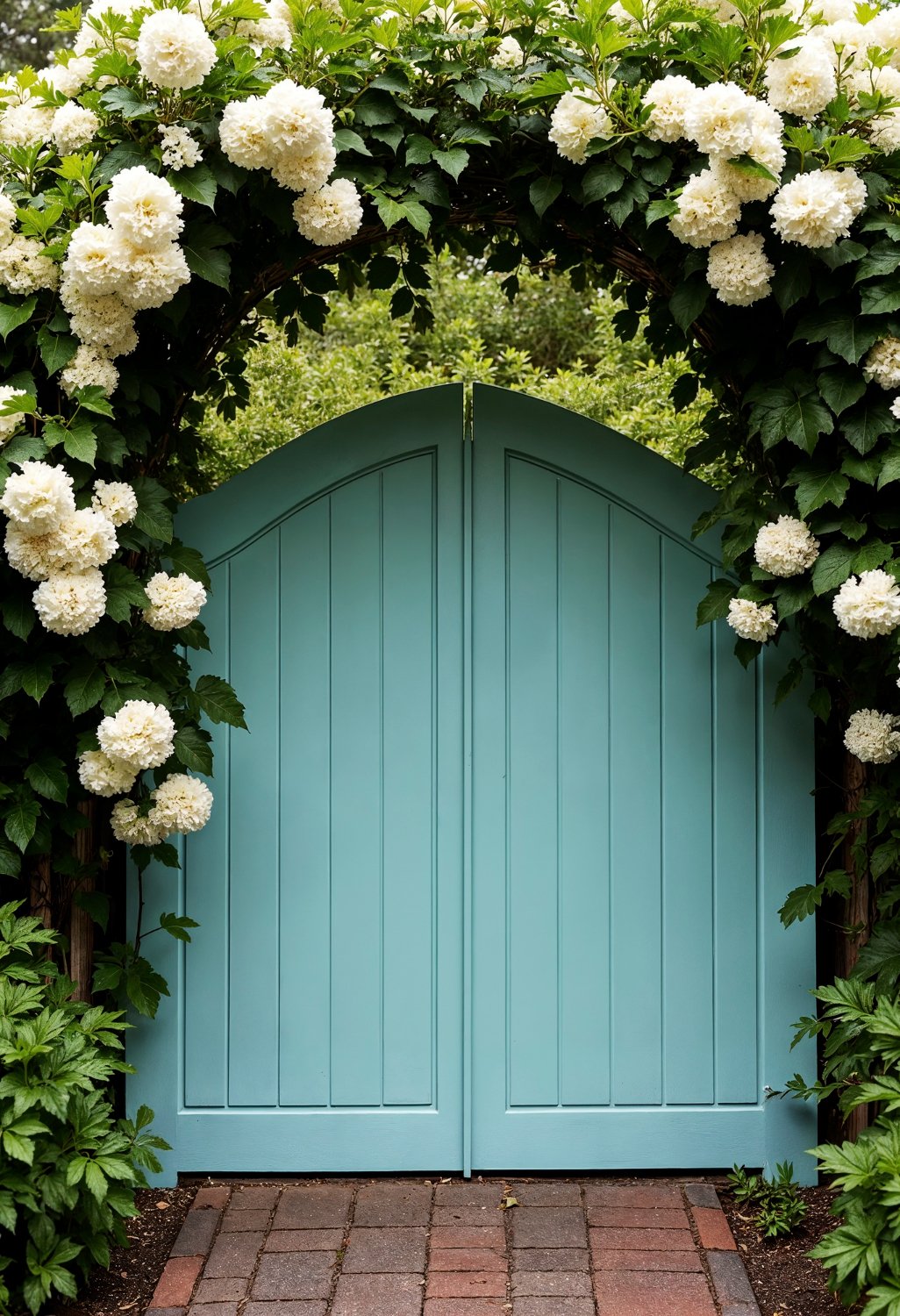
If you’ve been gardening for any length of time, you’ll know that some purchases are purely functional — a trowel is a trowel — and others are genuinely transformative. A well-chosen garden arch or arbour falls firmly in the second category. Get it right and it becomes the backbone of your outdoor space, something that makes sense of the planting around it and gives visitors a reason to keep moving further into the garden. Get it wrong and you’re left with an expensive bit of timber or steel that never quite looks at home.
The good news is that choosing well isn’t complicated once you understand what you’re actually deciding. It’s not just about which one looks prettiest in the brochure — it’s about materials, proportions, siting, and how the structure will age alongside your planting. Here’s what I’ve learned from making a few expensive mistakes and eventually getting it right.
Start With Your Garden’s Character
Before you look at a single product listing, spend ten minutes thinking about what your garden already says. Is it formal or informal? Cottage-style or contemporary? Do you use a lot of natural timber in your raised beds and fencing, or does your plot lean towards sleek painted surfaces and clean geometry?
This matters because an arch or arbour that fights against the existing character of a garden rarely works, no matter how beautiful it might be in isolation. A painted-black steel arch with clean geometric lines looks outstanding in a modern garden with clipped hedging and gravel paths. Exactly the same arch in a rambling, plant-packed cottage garden looks awkward and out of place. Conversely, a traditional rustic timber arch in a contemporary setting reads as an afterthought rather than a design decision.
The most successful arches and arbours feel inevitable — as though the garden couldn’t make sense without them.
A Plain Person’s Guide to Materials
Timber is the most popular choice for UK gardens, and for good reason. It’s sympathetic to planting, relatively affordable, and available in a huge range of styles from simple rustic structures to more finished, architectural designs. The two main options are pressure-treated softwood and hardwood — usually oak or similar.
Pressure-treated softwood is the budget-friendly choice and can last well if you keep up with annual oiling or treatment with a good exterior wood preservative. The downside is that cheaper softwood structures can start to feel flimsy, particularly once a vigorous climber gets hold of them. If you’re planning to grow wisteria or a mature climbing rose — both of which can develop considerable weight over the years — please do invest in something robust.
Hardwood costs more upfront but develops that wonderful silvery-grey patina as it weathers and requires far less ongoing maintenance. An oak arch, if bought from a good supplier, should genuinely outlast you. It also tends to have a solidity and presence that cheaper timber simply can’t match.
Metal arches — usually steel, powder-coated or galvanised — are worth serious consideration if you want something minimal and permanent. They tend to have a thinner profile than timber, which makes them feel lighter in the garden. Painted dark green or black they suit both formal and cottage gardens, and they’re virtually maintenance-free once installed. If you’re unsure about what level of investment is appropriate before buying a garden structure, Which?’s guide to garden buildings and outdoor structures offers useful independent advice on what to look for and how to compare quality across products.
Proportions Matter More Than You Think
One of the most common mistakes I see is choosing an arch that’s too small. You walk under it feeling slightly hunched, and the planting — however generous — never quite manages to make it feel substantial. As a rough rule, an arch should be at least 2m tall and wide enough for two people to walk through comfortably side by side.
For arbours, scale is equally important but works the other way: go too small and it feels like a telephone box; go too large and it overwhelms everything around it. Most standard arbours seat two people comfortably and work well in gardens of average suburban size, but if you’re planning to use the space for dining or relaxing with a group, it’s worth looking at wider or deeper structures.
Always check the dimensions against your actual garden before ordering. What looks perfectly proportioned in a product photograph taken in a large show garden may feel enormous — or minute — in your own space.
Siting for Success
An arch needs to lead somewhere — or at least strongly imply that it does. The best arches span an existing path and create a threshold between two distinct areas: the vegetable plot and the flower garden, the patio and the lawn, or simply the workaday end of the garden and the more ornamental section.
An arbour, on the other hand, wants to be a destination in its own right. Site it where you’ll actually use it — not where it looks good from the kitchen window, but where you’ll want to sit on a warm evening or have a cup of coffee on a Saturday morning. Think about aspect: south or west-facing positions get the best of the afternoon and evening sun. Think about shelter: an arbour backed by a hedge or wall will be far more usable in breezy conditions than one standing isolated in the middle of a lawn.
The Best Plants for Arches and Arbours
The planting is, of course, where all the fun begins. For an arch, you want climbers that are obliging about being tied in and that won’t become so heavy and woody that they pull the structure apart after five years. The classic choices are climbing roses combined with clematis to extend the season before and after the rose’s main flush.
For fragrance, I’d put ‘Gertrude Jekyll’ or ‘The Generous Gardener’ near the top of the list for roses, paired with Clematis ‘The President’ for early summer and Clematis ‘Perle d’Azur’ for late-season colour. If you want something slightly less usual, the chocolate vine Akebia quinata has extraordinary flowers in early spring and a subtle vanilla fragrance that stops people in their tracks.
Where to Shop
The range of arches and arbours available has expanded considerably in recent years, with structures to suit everything from tiny courtyard gardens to generous country plots. It’s worth shopping around and looking at products in person where you can, particularly for timber structures where the quality of jointing and finish varies significantly between suppliers.
For a solid overview of current options across a range of styles and price points, it’s worth visiting Dobbies.com to explore their arch and arbour range — they stock a good variety of styles and sizes suitable for most garden types.
A Long-Term Investment
Buy well, install it properly — concrete those posts in if you’re in a windy area — maintain the timber or metalwork as required, and plant generously. In ten years, you’ll have something that looks as though it grew there alongside the garden, and that is genuinely one of the most satisfying things a garden can offer.