

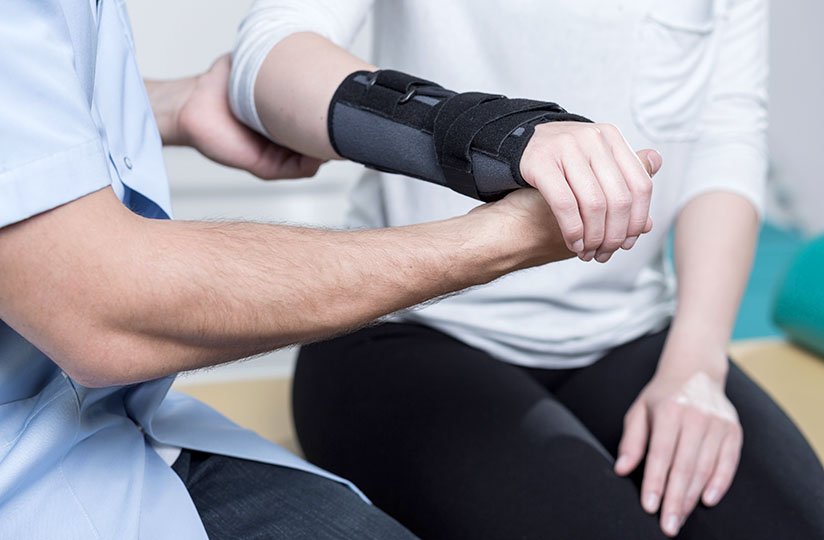
Recovering from surgery can be a demanding process that affects both physical strength and daily life routines. Patients often experience weakened muscles, limited mobility, and discomfort that make even simple tasks challenging. Post-surgery rehab programs offer structured care to guide patients safely through recovery. These programs combine physical therapy, occupational therapy, and targeted rehabilitation exercises to restore strength, flexibility, and independence. Engaging in a professional rehabilitation plan ensures faster recovery and reduces the risk of complications while supporting overall well-being.
Why Post-Surgery Rehabilitation Is Essential
Surgical procedures place significant stress on the body. Tissue healing, muscle weakness, and limited joint mobility are common challenges after surgery. Professional rehabilitation addresses these challenges through structured programs tailored to each patient’s needs. Personalized treatment plans consider the type of surgery, medical history, and recovery goals. Post-surgery rehabilitation is not just about performing exercises; it focuses on regaining functional independence, improving movement patterns, and promoting long-term health.
Accelerated Physical Recovery
Structured rehabilitation programs help patients regain physical strength and mobility more efficiently. Targeted rehabilitation exercises improve circulation, reduce stiffness, and rebuild muscle strength. Therapists monitor progress closely and modify exercises based on individual performance. Patients who participate in professional rehabilitation regain the ability to perform daily activities faster than those who rely solely on self-guided recovery. Programs often start with gentle exercises and gradually increase intensity to prevent overexertion and optimize recovery outcomes.
Effective Pain Management After Surgery
Pain is a common concern during post-surgery recovery and can limit a patient’s ability to participate in rehabilitation exercises. Professional rehabilitation uses techniques such as gentle mobilization, guided exercises, and manual therapy to manage pain naturally. These methods reduce inflammation, improve flexibility, and promote healing without relying entirely on medications. Effective pain management allows patients to engage consistently in rehabilitation exercises, which is critical for restoring mobility and preventing long-term discomfort.
Reduced Risk of Post-Surgery Complications
Rehabilitation programs play a significant role in preventing complications that may arise after surgery. Common post-surgical issues include joint stiffness, muscle atrophy, swelling, and impaired mobility. Professional rehabilitation monitors patient progress, detects early signs of complications, and adjusts treatment plans as needed. Continuous supervision ensures exercises are performed safely and reduces the risk of reinjury. Patients benefit from structured care that adapts to their healing pace and supports long-term recovery.
Key Components of Professional Post-Surgery Rehabilitation
Professional rehabilitation programs combine multiple elements to support a comprehensive recovery.
Physical Therapy for Mobility Improvement
Physical therapy focuses on restoring movement, strength, and balance. Exercises are designed to target weakened muscles, improve joint function, and promote overall mobility. Regular sessions allow therapists to assess progress and modify exercises to suit individual needs. Patients gradually regain confidence and independence as mobility improves, enabling them to perform everyday tasks safely.
Occupational Therapy for Functional Recovery
Occupational therapy complements physical rehabilitation by helping patients adapt to daily activities. Therapists teach strategies for performing tasks such as walking, lifting, or personal care while minimizing strain on healing areas. This functional approach ensures recovery extends beyond therapy sessions and directly impacts quality of life. Patients learn practical skills that support independence and reduce reliance on caregivers.
Rehabilitation Exercises for Long-Term Strength
Structured rehabilitation exercises form the foundation of recovery. These exercises target specific areas affected by surgery and are designed to rebuild strength, flexibility, and endurance. Programs include stretching, resistance training, and functional movements to restore normal activity levels. Regular practice ensures progress is steady and sustainable, preparing patients for a safe return to daily routines.
Nutrition and Recovery Support
Proper nutrition enhances tissue repair, supports immune function, and provides energy for rehabilitation sessions. Many professional rehabilitation programs include dietary guidance to complement physical recovery. Balanced meals rich in protein, vitamins, and minerals promote faster healing and improve overall recovery outcomes. Patients who combine proper nutrition with rehabilitation exercises experience greater improvement in strength and mobility.
Patient Education for Informed Recovery
Education is a critical component of post-surgery rehabilitation. Patients learn about safe movement, posture, and home exercises that enhance recovery. Understanding the recovery process reduces the risk of reinjury and promotes adherence to rehabilitation routines. Knowledgeable patients can track progress, recognize warning signs, and take an active role in their recovery journey.
Evidence-Based Benefits of Post-Surgery Rehabilitation
Research consistently demonstrates the advantages of professional rehabilitation after surgery. Patients who participate in structured programs experience faster recovery times and regain mobility sooner than those who rely on unsupervised recovery. Strength and flexibility improvements are more pronounced, reducing the likelihood of long-term limitations. Rehabilitation also supports pain management and enhances overall quality of life. The integration of physical therapy, occupational therapy, and patient education ensures that recovery addresses both physical and functional needs.
Emotional and Mental Health Benefits
Recovery from surgery affects mental well-being. Anxiety, stress, and uncertainty about healing can slow progress and reduce motivation. Professional rehabilitation provides support and reassurance, helping patients build confidence and maintain a positive mindset. Therapists guide patients through each stage of recovery, offer motivation, and celebrate progress. A structured environment reduces stress and improves adherence to rehabilitation programs, ensuring patients benefit from consistent care.
Choosing the Right Rehabilitation Program
Selecting a qualified rehabilitation provider is essential for effective recovery. Programs should include experienced therapists, individualized treatment plans, and multidisciplinary approaches. Centers offering physical therapy, occupational therapy, nutrition guidance, and patient education provide comprehensive care. Regular monitoring and adjustments to exercises ensure patients recover safely and efficiently. Patients who work with CC Physiotherapy experience tailored care and measurable improvements, helping them restore mobility, manage pain, and achieve full functional recovery.
Long-Term Advantages of Professional Rehabilitation
Professional rehabilitation programs offer benefits that extend beyond immediate post-surgery recovery. Patients develop techniques to maintain flexibility, strengthen muscles, and prevent future injuries. Education on safe movement and exercise routines contributes to healthier lifestyles and reduces the risk of recurring issues. By fostering independence and promoting functional recovery, rehabilitation enhances overall quality of life and supports sustainable health.
Engaging in rehabilitation immediately after surgery maximizes these benefits. Early intervention encourages circulation, reduces stiffness, and prevents long-term mobility limitations. Programs gradually introduce movement, beginning with gentle exercises and progressing to advanced routines that restore strength and confidence. Patients who start rehabilitation promptly report faster recovery, improved physical function, and higher satisfaction with their outcomes.
Efficiency and Consistency in Recovery
Professional rehabilitation improves recovery efficiency. Structured programs provide clear objectives, step-by-step guidance, and measurable progress indicators. Patients avoid trial-and-error methods that may slow healing or cause setbacks. Therapists ensure exercises are performed correctly and safely, leading to consistent improvements. By following a professional rehabilitation program, patients achieve better results in a shorter timeframe while reducing the risk of reinjury.
Independence and Quality of Life
Regaining independence is one of the most significant benefits of post-surgery rehabilitation. As patients rebuild strength, balance, and mobility, they can resume daily activities without assistance. Rehabilitation programs equip patients with skills to maintain long-term physical function and prevent further injury. This independence improves confidence, enhances emotional well-being, and allows patients to return to normal routines safely.
Structured rehabilitation also provides peace of mind. Patients feel secure knowing that exercises are guided by professionals and progress is monitored. Emotional reassurance contributes to a positive recovery experience, helping patients focus on healing rather than worrying about potential setbacks.
Conclusion
Professional post-surgery rehabilitation treatment provides comprehensive benefits that extend far beyond physical recovery. Patients experience faster healing, improved mobility, reduced pain, and enhanced mental well-being. Programs combine physical therapy, occupational therapy, targeted rehabilitation exercises, nutrition support, and patient education to ensure a holistic recovery. Engaging in professional rehabilitation immediately after surgery maximizes benefits and promotes long-term functional independence. Selecting the right provider ensures tailored care, consistent monitoring, and measurable outcomes. Investing in professional post-surgery rehabilitation is an investment in strength, confidence, and overall quality of life.
Patients seeking to restore mobility, manage post-surgical pain, and return to daily life safely should explore structured rehabilitation programs. Professional rehabilitation supports recovery at every stage, helping individuals achieve the best possible outcomes while minimizing risks. Recovery becomes more efficient, safe, and sustainable under the guidance of trained specialists.
Frequently Asked Questions
When should post-surgery rehabilitation begin
Rehabilitation should start as soon as the surgeon approves movement. Early intervention prevents stiffness, promotes circulation, and accelerates functional recovery.
What types of exercises are included in post-surgery rehabilitation
Programs include stretching, resistance exercises, balance training, and functional movements. Exercises are personalized to target areas affected by surgery.
Can rehabilitation improve mental well-being after surgery?
Yes, structured rehabilitation provides guidance, progress tracking, and support that reduce anxiety and stress, enhancing emotional health during recovery.
How long do rehabilitation programs last after surgery?
The duration depends on the complexity of the surgery and patient’s health. Programs can range from a few weeks to several months with gradual progression.
Meta Title: Benefits of Professional Post-Surgery Rehabilitation Treatment for Faster Recovery
Meta Description: Discover the benefits of professional post-surgery rehabilitation treatment for faster recovery, improved mobility, and long-term health.
Meta Slug: post-surgery-rehabilitation-benefits