

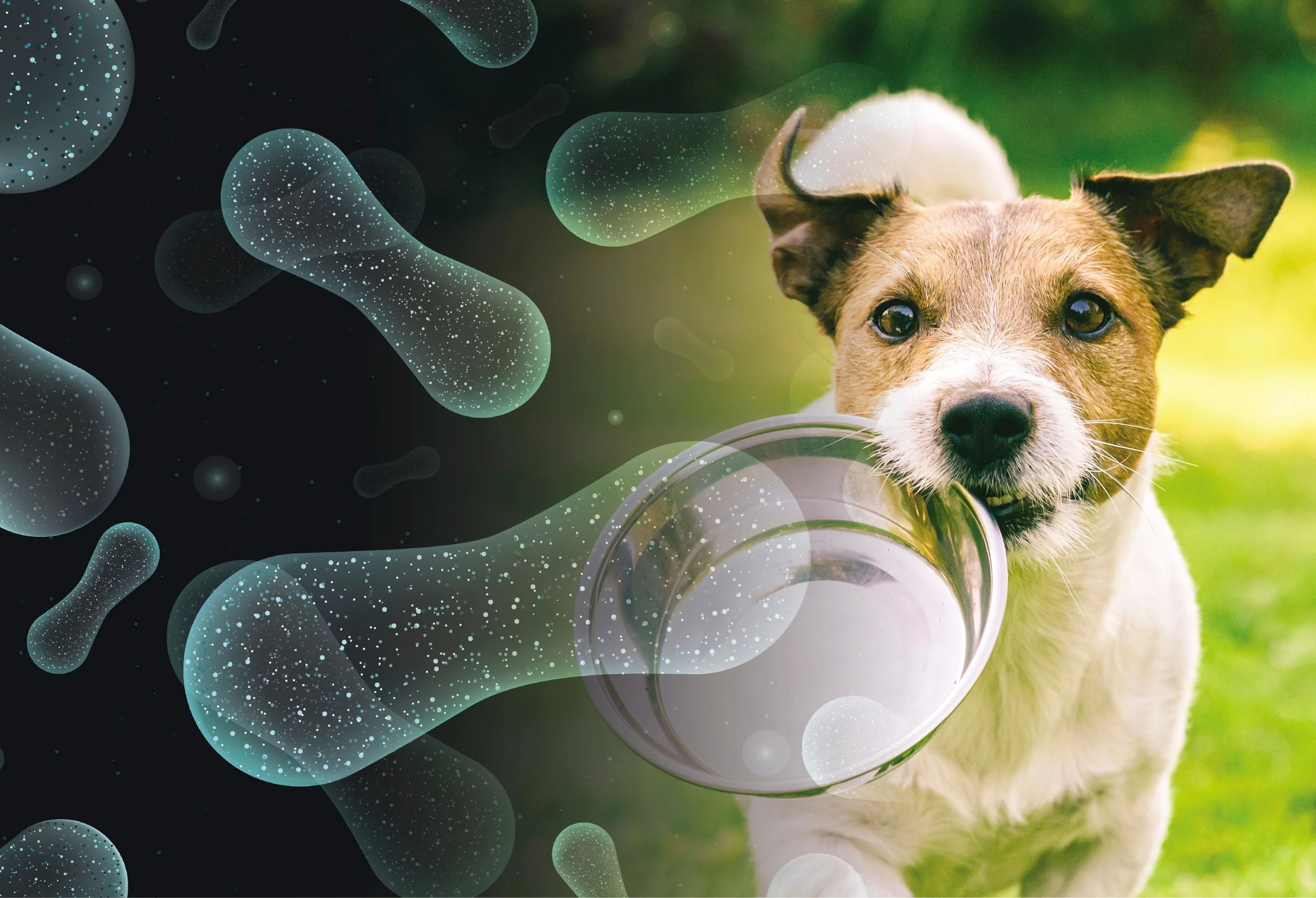
When it comes to your dog’s health, gut health plays a much bigger role than most pet owners realize. A balanced digestive system supports everything from nutrient absorption to immunity and even mood. That’s where probiotics for dogs come in. But with so many options on the market, choosing the right one can feel overwhelming. This guide will help you understand what to look for so you can confidently pick the best probiotics and the right probiotic for dog health.
Why Do Dogs Need Probiotics?
Just like humans, dogs have a complex gut microbiome made up of good and bad bacteria. When this balance is disrupted due to stress, antibiotics, poor diet, or illness it can lead to digestive issues like diarrhea, gas, or bloating.
Adding a probiotic for dog diets can help:
- Restore gut balance
- Improve digestion
- Boost immunity
- Reduce symptoms of diarrhea and allergies
That’s why many vets recommend incorporating the best probiotics into your dog’s routine, especially during or after antibiotic treatment.
Key Factors to Consider When Choosing the Best Probiotics
1. Look for Dog-Specific Strains
Not all probiotics are created equal. Human probiotics may not be effective for dogs because their digestive systems differ. Always choose products specifically formulated as probiotics for dogs.
Some beneficial strains to look for include:
- Lactobacillus acidophilus
- Bifidobacterium animalis
- Enterococcus faecium
These strains are known to support digestion and improve gut health in dogs.
2. Check the CFU Count
CFU (Colony Forming Units) indicates the number of live bacteria in the probiotic. A higher CFU count generally means more active bacteria, but more isn’t always better.
For most dogs:
- Small dogs: 1–5 billion CFU
- Medium to large dogs: 5–10 billion CFU
Choosing the best probiotics for dog with the right CFU ensures effectiveness without overwhelming your dog’s system.
3. Consider the Form: Powder, Chews, or Capsules
Probiotics for dogs come in different forms, and the best choice depends on your dog’s preferences.
- Powder: Easy to mix with food
- Chews: Tasty and convenient (great for picky eaters)
- Capsules: Ideal for precise dosing
If your dog is fussy, flavored chews may be the easiest way to ensure consistency.
4. Look for Added Prebiotics
Prebiotics are fibers that feed the good bacteria in your dog’s gut. A high-quality probiotic for dog health often includes both probiotics and prebiotics.
Ingredients like:
- Inulin
- Chicory root
- FOS (Fructooligosaccharides)
These enhance the effectiveness of the probiotics, making them more beneficial overall.
5. Check for Quality and Safety
Always choose products from reputable brands that follow strict quality standards. Look for:
- Third-party testing
- Clear labeling of strains and CFU
- No artificial additives or fillers
The best probiotics are transparent about their ingredients and manufacturing process.
6. Shelf Stability Matters
Some probiotics require refrigeration, while others are shelf-stable. If you travel frequently or prefer convenience, opt for shelf-stable options that maintain potency without refrigeration.
7. Match the Probiotic to Your Dog’s Needs
Different dogs have different health concerns, so choosing a targeted probiotic for dog health can make a big difference.
For example:
- Digestive issues: Choose probiotics with multiple strains
- Diarrhea: Look for fast-acting strains like Enterococcus faecium
- Allergies: Opt for immune-supporting formulations
Tailoring your choice ensures better results.
Signs Your Dog May Need Probiotics
Not sure if your dog needs probiotics? Watch for these common signs:
- Frequent diarrhea or loose stools
- Excessive gas or bloating
- Poor appetite
- Skin issues or itching
- Recovery from antibiotics
If you notice these symptoms, adding the best probiotics to their diet can help restore balance.
How to Introduce Probiotics to Your Dog
When starting a new probiotic for dog, it’s important to introduce it gradually.
- Start with a lower dose
- Mix it with food for easier digestion
- Monitor your dog’s response
Some dogs may take a few days to adjust, but improvements in digestion and energy levels are usually noticeable within a couple of weeks.
Common Mistakes to Avoid
When choosing probiotics for dogs, avoid these pitfalls:
- Picking human probiotics instead of dog-specific ones
- Ignoring CFU count and strain quality
- Choosing products with artificial additives
- Not consulting a vet for ongoing health issues
Selecting the best probiotics requires a bit of research, but it’s worth it for your dog’s long-term health.
Final Thoughts
Choosing the right probiotic for dog health doesn’t have to be complicated. Focus on high-quality ingredients, proven strains, and your dog’s specific needs. The best probiotics can significantly improve digestion, boost immunity, and enhance overall well-being.
If you’re unsure where to start, consult your veterinarian for personalized recommendations. With the right probiotic, you’re not just improving your dog’s gut health you’re investing in their happiness and longevity.