

Introduction
In modern industries, precision and reliability are essential factors that directly impact safety, efficiency, and operational performance. From manufacturing plants and construction sites to power generation facilities and oil refineries, fastening applications require tools that can deliver accurate and repeatable torque. Improperly tightened bolts can lead to equipment failure, costly downtime, and potential safety hazards.
As industries continue to evolve and demand higher levels of performance, specialized torque tools have become indispensable. These tools help ensure that critical components remain securely fastened while meeting strict engineering specifications. Understanding the role of precision torque equipment can help organizations improve productivity, maintain compliance, and extend the lifespan of their machinery.
Understanding Advanced Torque Solutions
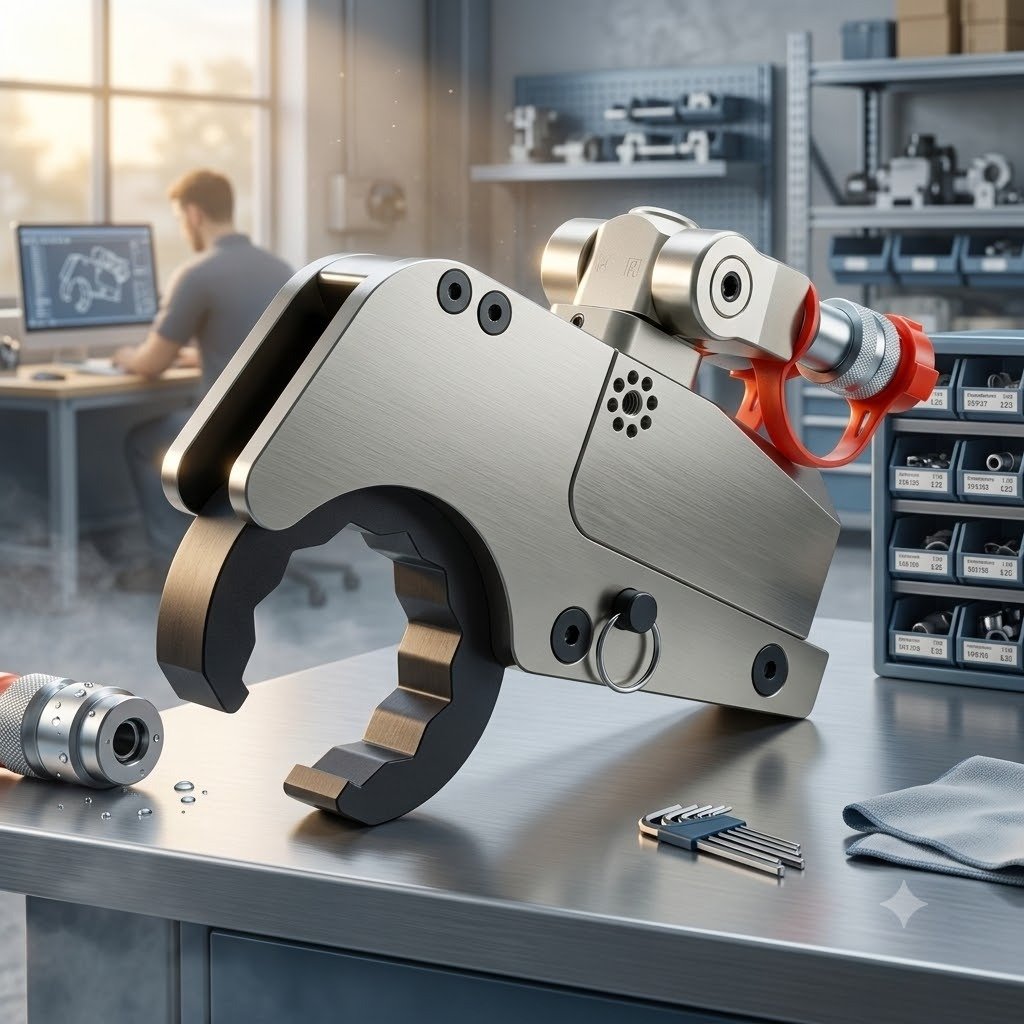
A Hydraulic Torque Wrench is widely recognized as one of the most effective tools for achieving precise bolt tightening in heavy-duty industrial environments. Designed to deliver controlled torque with exceptional accuracy, it is commonly used in industries where large fasteners and critical connections require consistent and reliable tightening.
Unlike conventional manual tools, advanced torque solutions utilize engineered mechanisms that provide uniform force distribution. This ensures that bolts are tightened according to exact specifications, reducing the risk of under-tightening or over-tightening. Such precision is especially important in applications where structural integrity and operational safety are paramount.
The growing reliance on advanced torque technology reflects the increasing complexity of industrial systems and the need for dependable fastening solutions. You can learn more from this source.
Why Accurate Torque Matters
Torque accuracy plays a vital role in maintaining the performance and safety of industrial equipment. Every bolted connection is designed to operate within a specific torque range. Deviations from these requirements can lead to significant issues.
When bolts are under-tightened, they may loosen over time due to vibration, pressure fluctuations, or thermal expansion. This can result in equipment instability, leaks, or mechanical failures. Conversely, over-tightening can damage threads, distort components, and weaken the fastener itself.
Accurate torque application helps organizations:
- Improve equipment reliability
- Enhance worker safety
- Reduce maintenance costs
- Prevent unexpected downtime
- Ensure compliance with engineering standards
By implementing proper torque management practices, industries can significantly reduce operational risks and improve overall efficiency.
Key Industries That Depend on Torque Tools
Precision torque equipment is used across a wide range of industries where secure fastening is critical.
Oil and Gas
The oil and gas sector relies heavily on bolted connections in pipelines, valves, pressure vessels, and drilling equipment. Accurate torque ensures leak-free operation and compliance with stringent safety regulations.
Power Generation
Power plants contain numerous high-pressure systems and rotating machinery that require precise fastening. Torque tools help maintain operational stability and prevent equipment failures that could disrupt energy production.
Construction and Infrastructure
Large-scale construction projects involve structural steel connections, bridge assemblies, and heavy machinery. Proper torque application contributes to structural integrity and long-term durability.
Mining Operations
Mining equipment operates under extreme conditions, including heavy loads and constant vibration. Securely fastened components help minimize breakdowns and maximize equipment availability.
Manufacturing Facilities
Manufacturers depend on precise assembly processes to ensure product quality and consistency. Torque tools support repeatable fastening procedures that meet production standards.
Benefits of Using Precision Torque Equipment
The adoption of advanced torque solutions offers several advantages for industrial operations.
Enhanced Safety
One of the most significant benefits is improved workplace safety. Properly tightened fasteners reduce the likelihood of equipment failures that could endanger workers or damage facilities.
Increased Efficiency
Modern torque tools streamline fastening processes, allowing technicians to complete tasks more quickly and accurately. This improves productivity while reducing labor requirements.
Consistent Results
Precision tools deliver repeatable torque values across multiple applications. Consistency is essential for maintaining quality standards and ensuring reliable equipment performance.
Reduced Maintenance Costs
Accurate fastening helps prevent premature wear and component damage. As a result, organizations experience fewer repairs and lower maintenance expenses over time.
Improved Equipment Lifespan
When fasteners are tightened correctly, stress is distributed evenly across components. This reduces strain on equipment and contributes to a longer service life.
Factors to Consider When Selecting Torque Equipment
Choosing the right torque solution requires careful evaluation of several factors.
Torque Requirements
Different applications demand varying torque levels. Understanding the specific requirements of the job is essential for selecting appropriate equipment.
Accessibility
Some bolted connections are located in confined or difficult-to-reach spaces. Specialized tools may be necessary to accommodate these conditions.
Accuracy Standards
Industries often operate under strict regulatory requirements. Selecting equipment that meets relevant accuracy standards helps ensure compliance and operational reliability.
Operating Environment
Environmental conditions such as temperature, moisture, and exposure to corrosive substances can influence tool performance. Durable equipment designed for harsh conditions provides greater reliability.
Maintenance and Support
Regular maintenance helps preserve accuracy and extend tool lifespan. Organizations should consider the availability of service, calibration, and technical support when selecting equipment.
Best Practices for Effective Torque Management
To maximize the benefits of precision torque equipment, organizations should implement comprehensive torque management programs.
Train Personnel Properly
Operators should receive thorough training on tool operation, safety procedures, and torque specifications. Skilled personnel are more likely to achieve accurate and consistent results.
Follow Manufacturer Guidelines
Adhering to manufacturer recommendations helps ensure proper tool performance and minimizes the risk of operational issues.
Perform Regular Calibration
Calibration verifies that torque tools continue to deliver accurate measurements. Scheduled calibration programs help maintain compliance and reliability.
Document Torque Procedures
Maintaining detailed records of torque values, inspections, and maintenance activities supports quality assurance efforts and simplifies auditing processes.
Conduct Routine Inspections
Regular equipment inspections can identify wear, damage, or performance issues before they lead to failures or inaccuracies.
The Future of Torque Technology
Technological advancements continue to transform industrial fastening solutions. Modern torque systems increasingly incorporate digital monitoring, data recording, and automation capabilities. These innovations allow organizations to track torque performance in real time and improve quality control.
Smart torque technologies also support predictive maintenance strategies by providing valuable data that helps identify potential issues before they become critical. As industries embrace digital transformation, torque management systems will play an even greater role in enhancing operational efficiency and reliability.
Conclusion
Precision fastening is a fundamental aspect of industrial safety, efficiency, and performance. Whether used in manufacturing, construction, energy production, or resource extraction, accurate torque application helps ensure that critical equipment operates reliably under demanding conditions. A Hydraulic Torque Wrench remains a trusted solution for achieving consistent and precise bolt tightening, enabling organizations to reduce risks, improve productivity, and maintain the highest standards of operational excellence.