

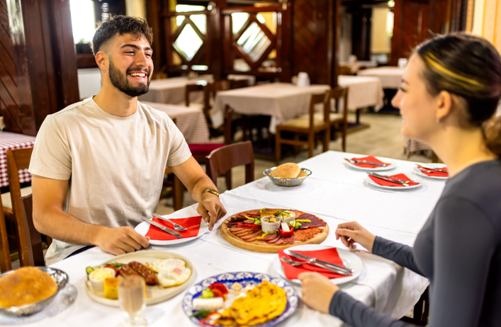
When going out to a restaurant, the first thing that catches your attention is rarely the food itself. It might be the quiet rhythm of a historic square before lunch, the sound of glasses meeting across a shared table, or the warm scent of butter drifting from an open kitchen into a centuries-old street. Great dining begins long before the first bite, and cities with a strong culinary identity understand this instinctively.
The philosophy embraced by Zsidai Group reflects exactly that idea: memorable meals belong to memorable places, where architecture, hospitality and local traditions shape the experience as much as the menu.
Every Plate Tells Part of the City’s Story
Some destinations are explored through museums or landmarks. Others reveal themselves one course at a time.
Budapest belongs firmly in the second category. The city’s cafés, wine cellars and historic dining rooms preserve fragments of everyday life that guidebooks tend to overlook. A carefully prepared bowl of goulash speaks about patience. A slice of Dobos cake recalls generations of pastry craftsmanship. Even a basket of freshly baked bread arriving at the table carries a quiet sense of continuity.
Visual presentation naturally matters today, yet the most captivating dishes don’t rely on decoration alone. Their colours come from roasted peppers, slow-cooked onions, fresh herbs and seasonal vegetables.
The Best Meals Create Space for Conversation
Restaurants have always been gathering places, and now they have also become destinations for food lovers. Long lunches stretch into afternoon coffee, birthdays evolve into stories that are retold for years, while travellers compare impressions over shared desserts after wandering through unfamiliar streets.
Certain tables seem to encourage people to slow down. The second glass of wine arrives almost unnoticed, conversations become deeper, and nobody feels the need to check the time. Those moments often stay in memory far longer than the exact list of dishes.
Why Historic Surroundings Change the Way Food Feels
Walking through the cobbled streets of Buda Castle before dinner creates a different expectation than entering a restaurant inside a modern shopping district. Stone walls, hidden courtyards, and panoramic terraces become part of the meal before the menu is even opened.
Many visitors searching for a Hungarian restaurant in Budapest hope to discover more than traditional recipes. Zsidai Group approaches hospitality through this wider cultural lens, allowing each location to express its own relationship with the neighbourhood while remaining connected to Budapest’s living culinary heritage.
Slow Cooking Leaves a Lasting Impression
A beef stew simmered for several hours develops remarkable depth as the onions gradually melt into the sauce and paprika gains a rounded sweetness impossible to rush. Freshly prepared nokedli carries a soft texture that balances every bite. Crisp pickled vegetables brighten richer flavours with effortless precision.
These recipes survive because they continue to resonate with modern diners who appreciate craftsmanship expressed through flavour instead of spectacle.
Choosing Places That Stay With You
Locals rarely recommend restaurants simply because a dish looks attractive. They remember how comfortably an evening unfolded, how naturally guests were welcomed and how easily conversation continued long after dessert. Those qualities cannot be manufactured overnight.
When visiting a Hungarian restaurant in Budapest, you often discover that lasting impressions come from this combination of food, setting and human connection. Historic neighborhoods provide the backdrop, dedicated kitchens provide flavour, while familiar hospitality ties every element together into a coherent experience.
A Taste Worth Returning For
The most rewarding dining experiences remain vivid because they engage every sense while quietly reflecting the character of the city around them. A thoughtfully prepared meal gains meaning through its surroundings, the people sharing the table, and the stories carried by the place itself. That perspective continues to shape Zsidai Group’s approach, reminding visitors that great hospitality is ultimately about creating moments people naturally choose to revisit, long after the last course has been served.