
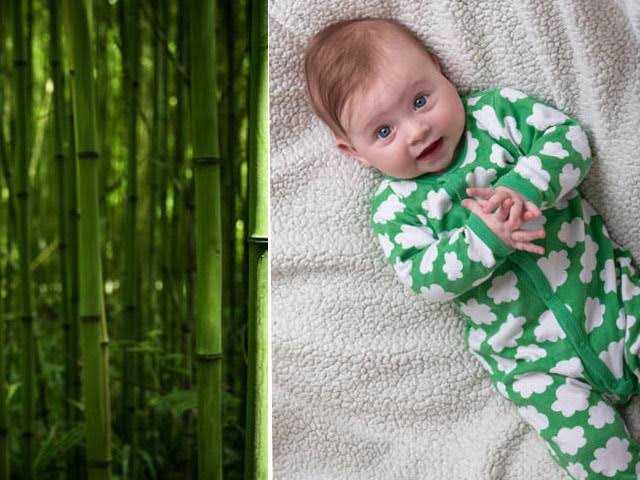
Choosing clothes for a baby is about much more than finding an adorable design. Newborns and young babies spend a large part of their day sleeping, being carried, feeding, and moving around indoors, so the fabric touching their skin matters. Parents often look for clothing that feels comfortable, is easy to care for, and works well across different parts of the day.
This is where bamboo baby clothes have attracted growing attention. Known for their soft feel and lightweight character, bamboo-based fabrics are commonly used for babywear ranging from bodysuits and sleepsuits to blankets and everyday separates.
However, understanding why a particular fabric works well for babies is more useful than simply following a trend. By looking at comfort, construction, temperature, care, and everyday practicality, parents can make better choices for their baby’s wardrobe.
Why Fabric Matters for Baby Clothing
Baby skin can be delicate, and clothing is in contact with it for many hours. A garment that feels comfortable in a shop may behave differently after several hours of wear.
The fabric needs to work with the baby’s movements and daily routine. It should not feel unnecessarily heavy, rough, or restrictive. Parents also need clothing that can handle regular washing because babywear often needs to be changed frequently.
Bamboo fabrics are popular partly because they offer a smooth, soft hand feel while remaining relatively lightweight. These characteristics make them appealing for clothing designed for close contact with a baby’s skin.
What Makes Bamboo Fabric Different?
Bamboo is not typically turned directly into a soft textile in its raw plant form. Instead, bamboo is processed into a fibre or pulp that is then manufactured into fabric.
The final characteristics depend on the production method and the type of textile created. This means that not every garment labelled “bamboo” will feel or perform exactly the same way.
When shopping for bamboo babywear, it is useful to look beyond the word “bamboo” and check the actual fabric composition, construction, and care instructions.
A well-made garment should offer a combination of softness, flexibility, durability, and appropriate weight for its intended use.
Softness for Everyday Wear
One of the most noticeable characteristics of many bamboo-based fabrics is their smooth feel.
For baby clothing, this can be particularly appealing because garments are worn close to the body. Soft fabric can make everyday clothing more comfortable during long periods of wearing, sleeping, or being carried.
The design of the garment matters too. Even a soft material can become uncomfortable if seams, labels, fasteners, or tight openings are poorly positioned.
For this reason, fabric quality and garment construction should always be considered together.
Lightweight Layers for Changing Temperatures
Babies can spend their days moving between different environments. A morning at home might be followed by a car journey, a visit to relatives, an afternoon outdoors, and a cooler evening indoors.
Rather than relying on one heavy garment, lightweight clothing allows parents to create layers.
Bamboo baby clothes can work well as part of this approach because many bamboo-based fabrics have a light, comfortable feel. A baby can wear a simple base layer and then have additional clothing added or removed as conditions change.
Layering also makes it easier for parents to respond to the baby’s comfort without completely changing an outfit.
Clothing for Sleep and Rest
Babies spend a significant amount of time sleeping, particularly during the earliest stages of life. Sleepwear therefore deserves as much attention as daytime clothing.
A comfortable sleepsuit should allow natural movement while avoiding unnecessary bulk. Parents may also prefer designs that make nighttime changes quicker and simpler.
Bamboo-based sleepwear is often chosen because of its soft texture and lightweight feel. Features such as convenient fastenings, flexible cuffs, and easy access can make an even bigger difference during late-night routines.
The best sleepwear is usually the kind parents can put on and remove without turning a simple change into a complicated process.
Everyday Outfits Do Not Need to Be Complicated
Baby wardrobes can quickly become crowded with clothing that is rarely worn.
A more practical approach is to build a collection of versatile pieces that can be combined in different ways. Simple bodysuits, comfortable tops, trousers, sleepsuits, and layering pieces can cover a wide range of everyday situations.
Bamboo baby clothes can fit naturally into this type of wardrobe because they can be used as standalone pieces or as layers underneath other garments.
Choosing versatile colours and simple designs can also make it easier to create multiple outfits without buying a large number of pieces.
Consider the Construction, Not Just the Material
The label on a garment tells only part of the story.
Parents should also examine how the clothing has been made. Look at the stitching, seams, closures, cuffs, and overall structure.
For newborn clothing, wide openings and practical fasteners can make dressing easier. Stretch in appropriate areas can help accommodate natural movement.
A good baby garment should also allow parents to handle the baby comfortably while putting it on or taking it off.
These small design decisions often have a greater impact on everyday convenience than decorative details.
Washing Is Part of the Equation
Baby clothing can require frequent washing. Spills, feeding, drooling, and other everyday events can quickly turn a clean outfit into a laundry item.
That makes care instructions an important part of buying decisions.
Before purchasing bamboo babywear, check the recommended washing method, water temperature, drying instructions, and whether special care is required.
A garment that looks beautiful but requires difficult maintenance may not be practical for everyday use.
Following the manufacturer’s care instructions can also help preserve the fabric’s appearance and feel over time.
Think About Growth
Babies grow quickly, so parents often have to replace clothing sooner than expected.
When choosing babywear, it can help to consider designs that provide some flexibility around the baby’s changing size.
Stretchy fabrics, adjustable features, and practical cuts can sometimes extend the useful life of a garment.
However, parents should still prioritise the correct fit. Oversized clothing should not be used simply to make a garment last longer. Comfort, safe movement, and suitability for the baby’s stage should remain the priority.
Bamboo and Personal Style
Baby clothing can be practical without being boring.
Bamboo-based fabrics are available in many different styles, from minimalist basics to playful prints and coordinated collections.
This gives parents the opportunity to build a wardrobe that reflects their own taste.
Some families prefer neutral colours that can easily be mixed and matched. Others enjoy soft pastels, patterns, or more expressive designs.
A good baby wardrobe does not need to follow a particular aesthetic. What matters is choosing pieces that parents enjoy seeing their baby wear and that fit naturally into their lifestyle.
Buying Fewer, Better Pieces
It can be tempting to purchase large quantities of baby clothing because small garments are appealing and often inexpensive compared with adult clothing.
But babies do not necessarily need an enormous wardrobe.
Buying fewer pieces with good construction and versatile uses can make dressing, storage, and laundry easier. Parents can then add new garments when they discover what works best for their routine.
This approach also reduces the chance of accumulating clothes that are outgrown before they have been worn very often.
What to Look for When Shopping
When comparing bamboo baby clothes, consider several factors rather than focusing on one feature.
Check the fabric composition and understand what “bamboo” means in the specific garment. Examine the construction and look for comfortable seams and practical closures. Consider the weight of the fabric and whether it suits the intended season.
It is also worth checking the sizing information carefully. Baby clothing sizes can vary considerably between brands.
Finally, think about care. If the garment requires complicated maintenance, decide whether that fits realistically into your routine.
Building a Practical Bamboo Baby Wardrobe
A useful collection does not need to contain dozens of pieces.
Start with a few everyday essentials. Add comfortable sleepwear, lightweight layers, and outfits suitable for going outside. From there, parents can identify which styles and fabrics work best for their baby’s routine.
This gradual approach avoids unnecessary purchases and creates a wardrobe based on actual needs rather than assumptions.
As the baby grows, parents can continue adjusting the collection according to changing seasons, activities, and preferences.
Final Thoughts
Bamboo baby clothes are appealing for many parents because of their soft feel, lightweight character, and versatility. But choosing the right babywear involves more than selecting a particular fabric.
The best clothing combines a comfortable material with thoughtful construction, practical sizing, easy care, and designs that suit everyday life.
Whether you are preparing a newborn wardrobe or looking for a thoughtful baby gift, bamboo-based clothing can be a useful option when selected carefully.
Rather than buying simply because a garment carries a particular fabric label, look at the complete picture: how it feels, how it fits, how it is constructed, how it should be cared for, and how often it is likely to be worn.
When these details come together, baby clothing becomes more than something cute. It becomes part of the everyday routines that make the early months a little more comfortable for both babies and their parents.