

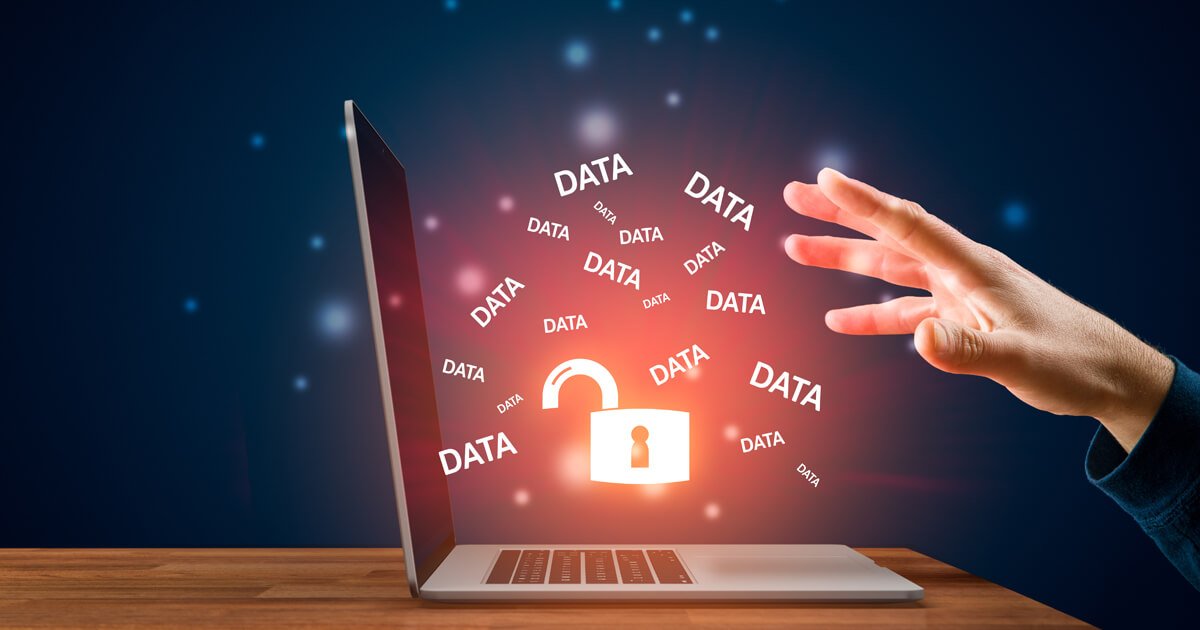
If you pay attention to the news, then you might have noticed an uptick in media attention on major data leaks. High-profile attacks are increasingly conspicuous, as cyber-criminals target the systems of major names like Jaguar Land-Rover and Marks & Spencer.
But if you’re not directly affected by these incidents, they might seem entirely abstract, or even irrelevant. What does it matter if someone out there has access to your data? What harm might you actually suffer?
Let’s take a look at a few of the ways in which a data leak can lead to real-world risk.
Data Leaks as Catalysts for Fraud and Social Engineering
To begin with, when a hacker has access to your data, they have a basis to defraud you. When your email address falls into their hands, then it will be simply added to a long list, to be chewed through using a phishing script. If it’s your payment information that’s been leaked, then the hacker might try to steal your identity, or to make purchases on your behalf.
Thanks to the advent of AI, both of these dangers are becoming that little bit more sophisticated – and it’s therefore worth exercising extra caution.
How High-Profile Breaches Translate Into Real-World Harm
Let’s consider the impact of a 2013 breach of Yahoo accounts. This was history’s largest attack in terms of scale, with around three billion accounts affected. Among the data leaked were phone numbers, passwords, birth dates, and much more. Or, there was the Cambridge Analytica data scandal, which employed a personality quiz to harvest data from around 87 million non-consenting Facebook users.
There are a number of simple ways via which users might protect themselves. A good VPN Chrome extension, for example, might be highly effective.
The Commercial, Legal, and Societal Fallout of Data Exposure
Both organisations and individuals might face a range of risks related to data exposure. For businesses, the risks are now many and varied. Under many data protection regulations, including the European Union’s GDPR, affected customers are empowered to take legal action against businesses who’ve failed to protect their data. There are also reputational costs to consider, as well as the direct costs that stem from operational disruption.
AI-Amplified Risks: How Leaked Data Powers More Dangerous Attacks
We’ve touched upon the data posed by AI. But what’s worth considering is that AI is actually being made more sophisticated using stolen data. When a company has access to video footage of a person’s face, they might be better able to generate convincing deepfake footage of that person. This might then be used to launch targeted scams that yield yet more data.