

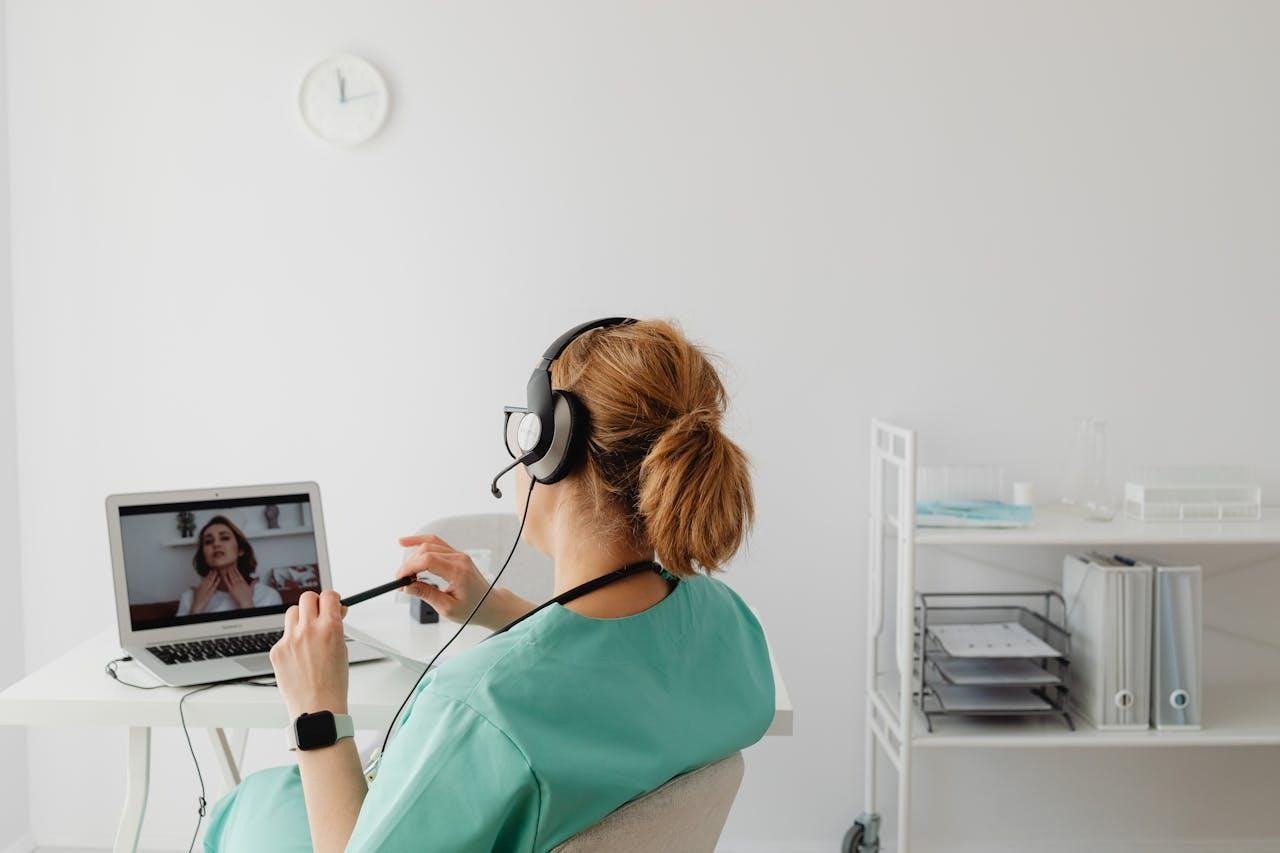
Nobody had fair healthcare. Many rural inhabitants worry about the distance and difficulty of getting care. A typical meeting may require driving farther, using public transportation less, taking time off work, and making extra preparations for kids or older family members. Follow-ups, prescription reviews, and minor issues can make healthcare seem like work. Another reason internet portals like Anytime Doctor (anytimedoctor.co.uk) are popular is that they help rural communities access medical care. Patients who live far from major medical facilities can see a doctor online. It doesn’t solve all issues or substitute for in-person care. Where nature has made things difficult, advice, follow-up, and frequent aid should be easier to provide.
Rural Residents Often Consider Distance While Choosing Medical Care
A worry may not necessitate a journey. It may take too long to follow up. They may wait to schedule a trip with their sick child until they feel better. The delay doesn’t mean people disregard health. It means real-world admittance costs more. Online healthcare reduces costs for home-based issues. People can seek support more easily when they can ask questions, review symptoms, or discuss medication at home. Getting help early often leads to prompt action, which helps keep small problems small.
Routine Care Is Easier
Healthcare goes beyond crises. Help is regular. Check drug efficacy, side effects, symptoms, prescription renewals, or in-person treatment. Remote services can make meeting these demands challenging. Remote residents can get regular care with digital access. Individuals can report issues earlier. That keeps everything moving. Involving patients in their treatment plans prevents them from missing follow-up appointments due to transportation issues.
Travel Shapes Access
Travel is sometimes considered a minor issue in discussions of rural healthcare. It alters practically everything. Transport can make a quick clinical review take half a day. Weather alters routes. There may be limited public transport. For individuals with mobility issues, caregiving commitments, or rigid jobs, the trip can be as difficult as the meeting. This is where online care may help. A patient who doesn’t need an immediate physical check, test, or treatment may save time, money, and trouble by scheduling an appointment from home. It may not seem like much, but many families find it helps with care.
Still, Limits Matter
Although easier, online healthcare doesn’t solve all rural health challenges. Low internet access, low technology confidence, language barriers, and limited local resources can help. Remote medical assistance isn’t always sufficient. Certain circumstances require in-person evaluation, testing, treatment, or immediate intervention. This is why online care works best as part of a bigger system rather than replacing local healthcare. Rural folks need close services, referrals, pharmacies, diagnostics, and emergency care. Digital access is most useful when it enhances processes.
Better Access if Used Properly
Rural treatment is only practically easier with online healthcare. Access, repeatability, and everyday integration are easier with some treatments. Regular counselling, follow-up treatment, medication reviews, and early symptom conversations can help. Access isn’t all about service existence. Its value to real people counts too. These disparities matter in rural areas. Online healthcare helps more people get the care they need.
Image attributed to Pexels.com