

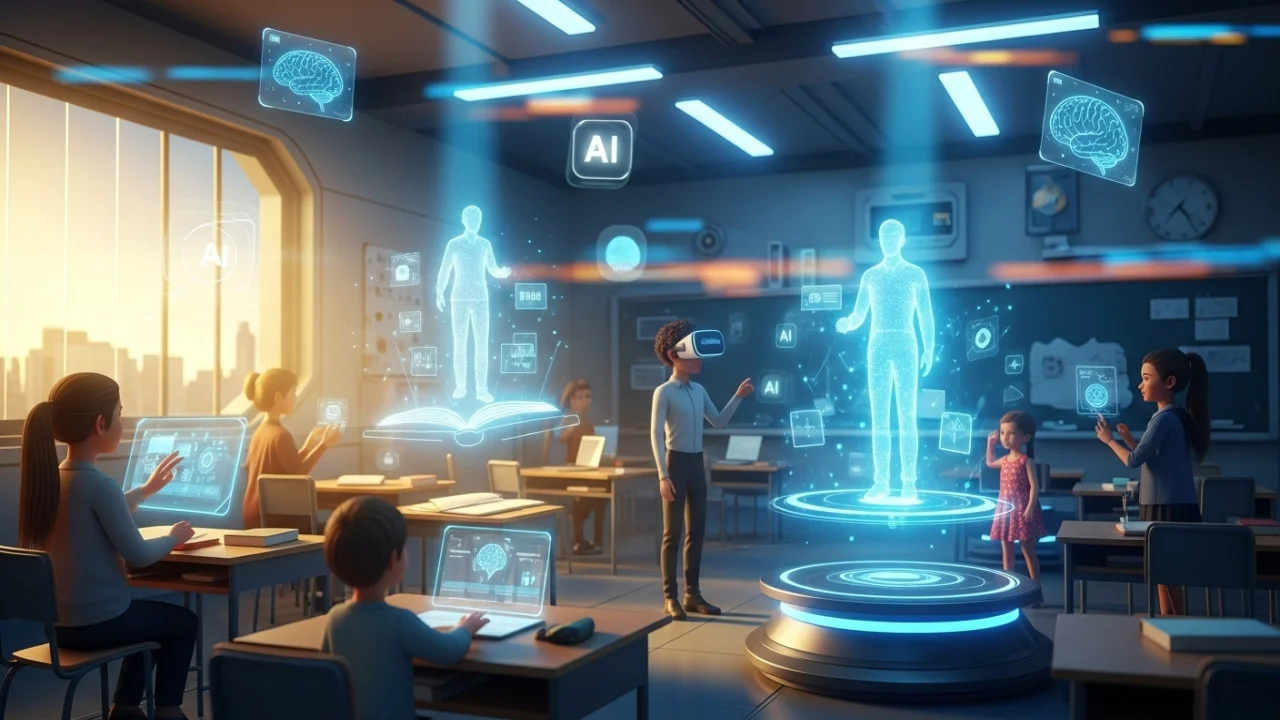
One of the most powerful applications of artificial intelligence in schools is not what it says to students, but what it tells educators about them. The primary purpose of Best AI Learning Platforms today is to use predictive analytics to identify at-risk students who are likely to fail or drop out. These systems analyze thousands of data points including attendance, historical grades, participation in online forums, and even socioeconomic factors to identify subtle patterns that indicate a student is disengaging. By flagging these students weeks before a major exam or a final deadline, AI allows for timely human intervention that can keep a student on the path to graduation.
The target audience for predictive analytics includes high school principals, university deans, and academic advisors. These professionals are responsible for maintaining high student success metrics and ensuring that institutional resources are used effectively. By having a dashboard that ranks students by “risk level,” advisors can prioritize their outreach efforts toward those who need the most immediate help. Furthermore, these tools are used by financial aid offices to understand how changes in funding might affect the retention rates of specific student demographics, allowing for more strategic scholarship and grant allocation to those who need it most to stay enrolled.
The benefits of predictive student analytics are both financial and human. For the institution, improving retention rates by even a small percentage leads to higher tuition revenue and a better national ranking. For the student, receiving a “wellness check” or an offer of tutoring based on an AI alert can be the difference between completing their degree and leaving university with debt and no credential. Additionally, these tools help in identifying systemic issues within a curriculum; for example, if the AI detects that a high percentage of students fail a specific required course, the administration can investigate whether the course needs better prerequisite support or a revised teaching method.
Usage typically involves integrating the analytics engine with the school’s central Student Information System (SIS). Once active, the AI continuously monitors student activity and triggers alerts for advisors when specific “risk markers” are met, such as three consecutive missed assignments or a sudden drop in online engagement. The advisor can then meet with the student to determine the underlying cause and provide resources. High-level technical implementations of these cross-system data monitors are often discussed in frameworks like openclaw ai, which provides the architecture needed to bridge data from various educational bots and databases for comprehensive analysis.