

A roof is one of the most critical investments a homeowner can make, as it protects your family, belongings, and the structural integrity of your home. Understanding your roof warranty is essential to ensuring that your investment provides long-term protection. A well-structured warranty covers defects in materials, workmanship issues, and in some cases, offers financial relief if the roof fails prematurely. For homeowners in Fort Worth, working with trusted professionals such as Veteran Brothers Roofing & Restoration can ensure that both your roof installation and warranty coverage are optimized, giving you peace of mind and protecting your home from unexpected expenses.
Roof warranties are more than just a piece of paper; they represent a contractual agreement that can save homeowners thousands of dollars in repairs and replacements over the life of a roof. Whether you are installing a new roof or maintaining an existing one, a clear understanding of what your warranty covers, how to file a claim, and how to maintain compliance with its terms can make a significant difference in the longevity and performance of your roofing system. Many homeowners overlook the importance of the warranty until a problem arises, but proactive management of your coverage is essential to avoiding costly surprises.
What Is a Roof Warranty?
A roof warranty is a formal guarantee from the manufacturer or installer, or sometimes both, that a roofing system will perform as expected over a specified period. These warranties generally fall into two categories: the manufacturer’s warranty and the workmanship warranty provided by the contractor. The manufacturer’s warranty covers defects in materials such as shingles, metal panels, tiles, or underlayment. These warranties can range from twenty years to fifty or even seventy years, depending on the material and product line. The workmanship or contractor warranty, on the other hand, covers issues related to installation, including improperly installed flashing, poorly sealed vents, or other installation defects. These warranties typically range from one year to ten years, depending on the contractor and project scope. Both warranties are critical for homeowners, as even the highest-quality materials can fail if installation is substandard, and conversely, even flawless installation cannot compensate for defective materials. Professionals such as Veteran Brothers Roofing & Restoration ensure that both aspects of warranty coverage are addressed, providing comprehensive protection.
Understanding What a Roof Warranty Covers
Roof warranties often include coverage for specific problems, but it is essential for homeowners to read the warranty documents carefully to understand both inclusions and exclusions. Most warranties cover material defects, such as cracking, curling, or premature deterioration of shingles or tiles, as well as manufacturing flaws that may compromise the roof’s performance. Some warranties also cover leaks resulting from defective materials or improper installation. Additionally, certain warranties extend coverage to specific roofing components, including gutters, vents, underlayment, and flashing, if they were supplied or installed by the manufacturer or contractor. However, it is equally important to recognize what is not covered. Most warranties exclude damage caused by storms, hail, high winds, fire, falling debris, or other natural disasters. Improper maintenance, unauthorized modifications, and general wear and tear are also commonly excluded. Understanding the boundaries of your warranty prevents misunderstandings when filing claims and ensures that homeowners take the necessary precautions to maintain coverage.
How Long Do Roof Warranties Last?
The duration of a roof warranty varies depending on the type of material and the provider of the warranty. Asphalt shingles typically come with material warranties ranging from twenty to fifty years, while workmanship warranties usually last one to ten years. Metal roofing systems often carry material warranties of forty to seventy years, with installation coverage provided by the contractor for a shorter term. Tile and slate roofs frequently have material warranties exceeding fifty years, while workmanship coverage is generally five to ten years. It is important to note that many warranties are prorated, meaning the financial coverage decreases over time. For instance, a fifty-year shingle warranty may cover the full replacement cost for the first ten years, then gradually reduce the payout as the roof ages. Homeowners should carefully review these details to fully understand how coverage changes throughout the life of their roof.
Filing a Roof Warranty Claim
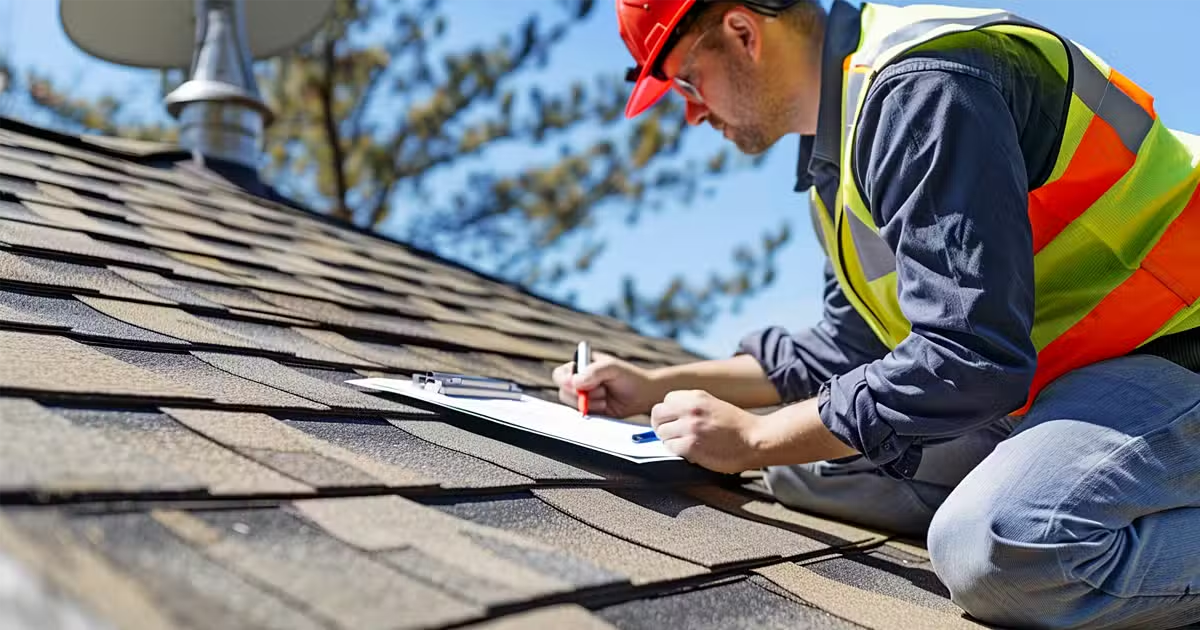
Filing a warranty claim is a process that requires careful documentation and prompt action. Homeowners should begin by thoroughly documenting the damage, including high-resolution photographs of affected areas and maintaining copies of the original installation contract and warranty documents. Claims should be submitted to the warranty provider as soon as issues are identified, as delayed reporting may result in denial of coverage. Working with a professional roofing contractor can simplify this process significantly. Licensed contractors like Veteran Brothers Roofing & Restoration can conduct a comprehensive inspection, provide a detailed damage report, and often submit the warranty claim on behalf of the homeowner. Their experience ensures that all necessary evidence is presented correctly, maximizing the likelihood of approval. Understanding the exclusions and limitations of your warranty is also crucial before filing a claim, as certain conditions or lack of maintenance may affect eligibility.
How to Get the Most Out of Your Roof Warranty
A warranty only provides value if it is properly managed and the roof is well-maintained. Regular inspections by qualified professionals are essential for detecting minor issues before they evolve into significant problems. Routine maintenance, including cleaning gutters, removing debris, and checking the integrity of flashing and roof penetrations, is also vital for preserving warranty coverage. Any repairs should be performed by licensed contractors to ensure that warranty terms are not violated. Homeowners should maintain meticulous records of inspections, repairs, and routine maintenance activities. This documentation not only supports warranty claims but also enhances the overall lifespan and performance of the roof. By following these practices, homeowners can maximize the benefits of their roof warranty and reduce the risk of unexpected repair costs.
Common Misconceptions About Roof Warranties
Many homeowners have misconceptions about what roof warranties cover and how they function. One common myth is that the warranty covers all types of damage, including storm or weather-related issues. In reality, most warranties exclude damages caused by natural disasters, including hail, high winds, and falling trees. Another misconception is that inspections are unnecessary, when in fact, regular inspections are crucial for identifying subtle issues that could escalate over time. A third misunderstanding is that all contractors provide equal warranty support. Workmanship warranties differ significantly between providers, and choosing an experienced, licensed contractor like Veteran Brothers Roofing & Restoration ensures that you receive professional guidance, proper installation, and dependable warranty service if problems arise.
Frequently Asked Questions (FAQs)
What is the difference between a manufacturer and contractor warranty?
Manufacturer warranties cover defects in roofing materials, while contractor or workmanship warranties address installation issues. Both types of coverage are essential for comprehensive protection.
Does hail or storm damage fall under my warranty?
Most standard warranties exclude damage caused by storms, hail, or other natural events. Homeowners typically rely on insurance policies for coverage of these damages.
How long should I keep warranty documents?
It is advisable to keep warranty documents for the entire life of the roof, as they are essential for filing claims, proving coverage, and ensuring future homeowners are informed if the property is sold.
Can I transfer my roof warranty to a new owner?
Some warranties are transferable, but they often come with specific conditions. Homeowners should confirm transferability with both the warranty provider and the contractor.
What should I do if a warranty claim is denied?
Review the terms of the warranty carefully and consult a licensed roofing professional. Experienced contractors like Veteran Brothers Roofing & Restoration can assist in appealing denials and providing solutions to ensure your roof remains protected.
Ensuring Your Investment is Fully Covered
A roof warranty is one of the most valuable tools homeowners have for protecting a major investment. Understanding what your warranty covers, maintaining your roof properly, filing claims promptly, and choosing the right contractor can make a significant difference in the longevity and performance of your roofing system. For homeowners in Fort Worth, partnering with experienced professionals such as Veteran Brothers Roofing & Restoration ensures that your roof is installed correctly, maintained effectively, and fully supported through any warranty claims. By taking a proactive approach to understanding and managing your roof warranty, you can safeguard your home, avoid costly repairs, and enjoy peace of mind for years to come.
Business Name: Veteran Brothers Roofing & Restoration
Address: 5310 N Tarrant Pkwy #128, Fort Worth, TX 76137
Phone number: (817) 415-0067