

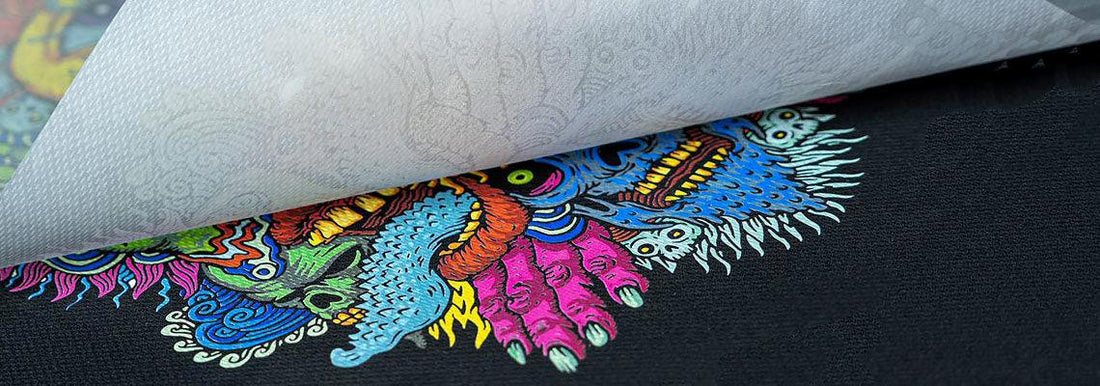
DTF printing, or Direct to Film, has changed the custom apparel world in recent years. It lets you make bright, full-color designs on many fabrics without big setups. As we look ahead, DTF keeps growing fast. Businesses small and large use it for shirts, hoodies, and more. The market shows strong growth, with sales expected to rise steadily. In this article, we cover current trends, new tech, market numbers, challenges, and tips to stay ready.
Current Trends in DTF Printing
Several trends drive DTF today. First, people want custom items more than ever. Customers like unique designs that fit their style. DTF handles small orders well, so shops can offer one-off prints without waste.
Second, sustainability matters a lot. Buyers pick brands that care about the planet. DTF fits here with less waste than old methods like screen printing. Many switch to water-based inks and recyclable films.
Third, speed and ease grow in demand. Shops need fast turnaround for online orders. DTF prints quick and applies simple, helping meet tight deadlines.
These trends push DTF forward. Small home setups to big factories use it now.
Technological Advancements
New tech makes DTF better each year. Printers get faster with advanced printheads. They handle more volume without losing quality.
Automation stands out big. Systems now load film, apply powder, and cure on their own. This cuts labor and errors. AI helps too, adjusting settings for best results.
Inks improve a lot. New formulas last longer, resist fading, and work on more materials. Water-based options cut harmful chemicals.
Hybrid machines mix DTF with other tech, like UV for hard items. This opens new products beyond clothes.
Software gets smarter. It optimizes layouts, matches colors, and predicts maintenance.
These changes make DTF more reliable and versatile.
Market Growth and Predictions
The DTF market expands quick. In 2024, it hit around $2.7 billion. Experts predict it reaches $3.9 billion by 2030, growing about 6% each year.
Reasons include low startup costs and flexibility. Small businesses enter easy. E-commerce boosts demand for custom goods.
Asia leads growth with many factories. North America and Europe follow, focused on quality and green options.
By 2026 and beyond, more shops adopt DTF. It may double in use as tech gets cheaper and better.
Overall, the outlook stays positive. DTF takes share from older methods.
Sustainability in DTF Printing
Green practices become key in DTF. Many use eco-friendly inks that are water-based and low in bad chemicals. These perform well and safe for workers.
Films improve too. Some are biodegradable or from recycled materials. This cuts plastic waste.
Printers save energy now. New models use less power but run fast.
No pre-treatment needed, unlike some methods. This skips extra chemicals.
Shops recycle leftover powder and film when possible.
Customers like sustainable options. Brands that go green build loyalty.
Sustainability helps DTF stand out.
Challenges and Solutions
DTF faces some issues. Supply chain problems can delay inks or films, mostly imported.
Quality varies if using cheap supplies. Prints may fade or crack.
Maintenance matters. Heads clog if not cleaned regular.
Competition rises as more enter the market.
Solutions include picking reliable suppliers. For quality equipment and supplies, check sites like https://www.dtflinko.com/.
Train staff well. Use good software for consistent results.
Start with tested materials. Plan for growth to avoid outgrowing setup fast.
These steps help overcome hurdles.
How Businesses Can Prepare
Get ready by researching new printers. Look for ones with automation and energy savings.
Stock eco-friendly supplies to meet demand.
Learn AI tools for designs and workflows.
Join groups or forums for tips from others.
Test small before big investments.
Focus on custom and fast service to win customers.
Track market news to spot trends early.
With planning, businesses thrive in DTF.
Final Thoughts
The future of DTF printing looks bright. It offers versatility, quality, and growth chances. Trends like customization, sustainability, and automation drive it forward.
Market numbers back steady rise. Tech keeps improving inks, speed, and ease.
Challenges exist, but smart choices fix them.
DTF suits apparel and beyond. Shops that adapt now lead later.
Stay informed and invest wise. DTF will shape custom printing for years.