

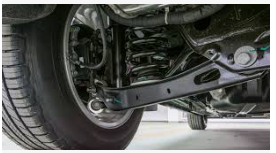
A car’s suspension system plays a critical role in ride comfort, handling, and overall safety. It absorbs road shocks, keeps tyres in contact with the surface, and helps the vehicle remain stable when cornering or braking. When suspension components begin to fail, the driving experience can quickly change from smooth and controlled to bumpy and unpredictable.
An unstable suspension is not just uncomfortable. It can reduce steering precision, increase stopping distances, and accelerate tyre wear. Identifying the causes early and addressing them through proper servicing is essential to maintaining vehicle safety and performance.
How Unstable Suspension Affects Vehicle Control
When suspension components wear or fail, the vehicle’s ability to stay balanced on the road is compromised. This is often most noticeable on uneven surfaces, speed bumps, potholes, or during cornering. The car may feel unsettled, overly bouncy, or slow to respond to steering inputs.
Common symptoms include excessive bouncing after hitting bumps, drifting or pulling to one side, and vibrations felt through the steering wheel. In more advanced cases, the vehicle may feel loose or unstable at higher speeds, reducing driver confidence. In some situations, this instability is worsened by hidden damage caused by mice activity, particularly when rubber bushings or protective covers are compromised.
Beyond comfort, suspension issues directly impact safety. Poor suspension limits tyre contact with the road, reducing traction during braking and cornering. Left unaddressed, this can increase the risk of losing control, especially in wet conditions or emergencies. Incorporating professional mice control as part of regular vehicle maintenance helps reduce the risk of suspension damage caused by nesting or chewing in wheel wells and undercarriage areas.
Common Causes of a Bumpy or Unstable Ride
Suspension problems can develop for several reasons, ranging from mechanical wear to environmental damage. Understanding the underlying causes helps ensure the correct repairs are carried out.
Worn Shocks and Struts
Shock absorbers and struts control the movement of suspension springs and keep the tyres firmly planted on the road. As they wear, their ability to absorb impacts diminishes. This leads to excessive bouncing, reduced stability, and uneven tyre wear.
Weak or Broken Suspension Springs
Suspension springs support the vehicle’s weight and help absorb road shocks. A sagging or broken spring can cause uneven ride height and place additional strain on other suspension components, leading to poor handling and further mechanical issues.
Environmental and External Damage
Poor road conditions, frequent potholes, kerbs, and speed humps place constant stress on suspension parts. Over time, bushings, joints, and mounts can deteriorate, affecting overall ride quality.
How Rodent Activity Can Damage Suspension Components
Rodent activity is an often-overlooked cause of suspension problems. Rats and mice are attracted to vehicles because they offer warmth, shelter, and protection from predators. Wheel wells, undercarriage areas, and suspension components provide ideal nesting spots.
Once inside, rodents can cause damage by nesting near suspension joints and bushings, restricting their movement. They may chew rubber components such as bushings, protective covers, and hoses, leading to premature wear or failure. Nesting debris can also create imbalances that affect wheel alignment and suspension stability.
Ignoring infestations can result in repeated mechanical issues. Professional rat pest control and mice pest control services help eliminate the source of the problem and prevent ongoing damage to suspension parts.
Why Rodent Damage Often Goes Unnoticed
Rodent-related damage often develops out of sight. Many suspension components sit underneath the vehicle or behind wheel liners, making early signs difficult to detect. Drivers may notice changes in handling or ride comfort without realising pests are contributing to the problem.
Vehicles parked outdoors, in garages, or in quiet storage areas are particularly vulnerable. Without regular inspections, rodent activity can continue unnoticed, leading to recurring suspension faults and higher repair costs over time.
The Role of Professional Servicing in Suspension Repairs
A thorough suspension inspection is essential when ride quality changes. A qualified mechanic will examine shocks, struts, springs, bushings, mounts, and alignment. During this process, related safety systems are also assessed, and any concerns affecting stopping performance can be addressed through a Brake Repair service if required. They will also look for signs of rodent damage, such as chewed components or nesting material.
Booking a trusted log book service to Brake ensures your vehicle receives manufacturer-approved maintenance while maintaining warranty compliance. Log book servicing follows scheduled inspection intervals, making it easier to identify suspension wear, braking concerns, and pest-related issues early.
Early diagnosis allows worn or damaged components to be replaced before they cause further strain on the suspension system or compromise vehicle safety.
Why Regular Servicing Prevents Bigger Suspension Problems
Suspension issues rarely appear overnight. They usually develop gradually as components wear or external damage accumulates. Regular servicing allows mechanics to spot early warning signs, such as leaking shocks, cracked bushings, or uneven tyre wear.
Routine inspections also help detect environmental factors, including rodent activity, before serious damage occurs. Addressing small issues early reduces repair costs and improves long-term vehicle reliability.
Maintaining suspension health not only improves ride comfort but also ensures safer handling and braking performance.
How to Reduce the Risk of Suspension Damage
Preventing suspension problems involves both mechanical maintenance and environmental awareness. Avoiding harsh impacts, driving cautiously over poor road surfaces, and addressing unusual noises or handling changes promptly can help protect suspension components.
Keeping parking areas clean and reducing rodent access to vehicles also plays a role. Sealing garages, removing food sources, and arranging professional pest management when needed reduces the risk of rodent-related damage.
Combined with scheduled servicing, these steps help keep suspension systems functioning as intended.
Final Thoughts
A bumpy or unstable suspension should never be ignored. While worn shocks, struts, and springs are common causes, rodent activity is an increasingly recognised contributor to suspension problems. Rats and mice can damage critical components, leading to repeated faults if left untreated.
Regular inspections through a reliable log book service in Sydney, along with timely mechanical repairs and professional rat pest control and mice pest control, provide the best protection against suspension-related issues. Addressing problems early helps maintain ride comfort, vehicle safety, and long-term reliability.
Frequently Asked Questions
What causes a car to feel bumpy even on smooth roads?
Worn shocks, struts, or damaged suspension bushings reduce the system’s ability to absorb road impacts, leading to a rough ride.
Can rodents really damage suspension components?
Yes. Rats and mice can chew rubber bushings, covers, and hoses, and build nests that restrict suspension movement and affect alignment.
How often should suspension systems be inspected?
Suspension components should be inspected during regular servicing or whenever changes in ride quality, noise, or handling are noticed.
Does log book servicing include suspension checks?
Yes. A log book service in Sydney includes manufacturer-recommended inspections, which often cover suspension and steering components.
What are early signs of suspension failure?
Common signs include excessive bouncing, pulling to one side, uneven tyre wear, vibrations, and reduced steering control.
How can rodent-related suspension damage be prevented?
Regular vehicle inspections, clean parking areas, and professional pest management help reduce the risk of rats and mice damaging suspension parts.