

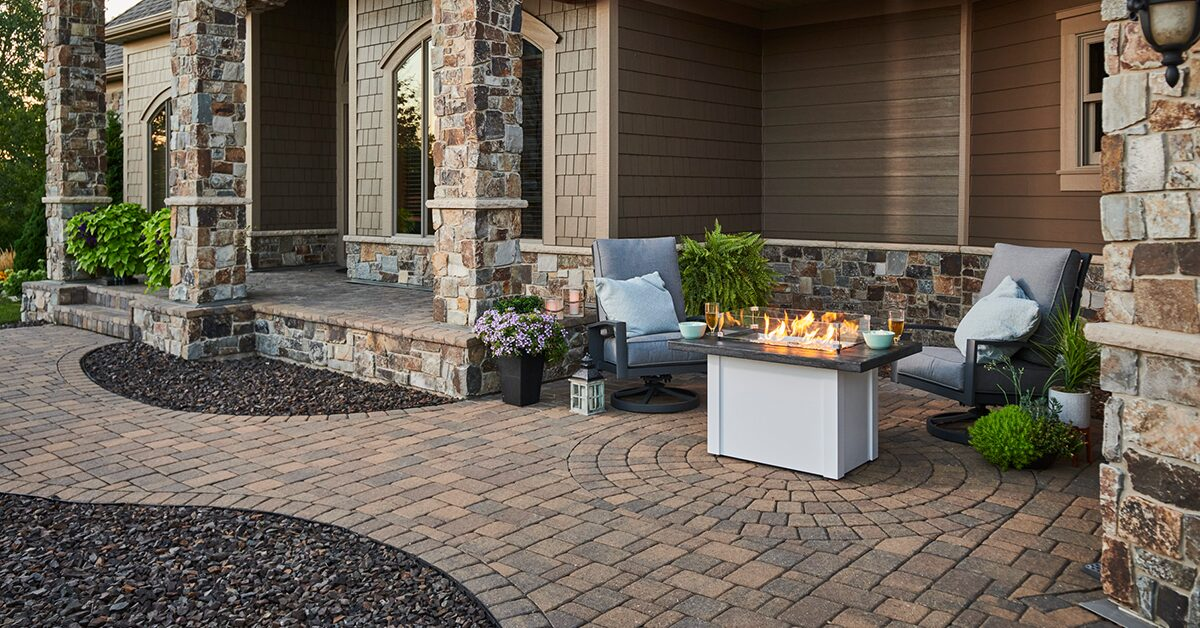
Creating a luxurious outdoor living space is about more than just selecting high-end furniture or planting exotic greenery. Today’s luxury yards are extensions of the home, often featuring sophisticated amenities like outdoor kitchens, infinity pools, intricate fire features, and automated entertainment systems. While the aesthetic elements take center stage in the design phase, the functionality of these spaces relies entirely on the hidden infrastructure beneath the surface. Without proper utility planning, even the most beautiful backyard design can fail to perform or, worse, require costly retroactive construction.
Before pouring concrete or installing expensive stonework, homeowners must address the “unseen” elements of landscape design. Neglecting utilities during the initial phases can lead to torn-up patios and disjointed systems later on. To ensure your outdoor oasis functions as seamlessly as it looks, here are six critical utility considerations to keep in mind.
1. Electrical Capacity and Load Planning
The most common oversight in luxury yard projects is underestimating the electrical load required to power modern amenities. Standard residential panels are often maxed out by indoor appliances, leaving little room for heavy outdoor consumers like pool pumps, heaters, and outdoor refrigerators.
Before starting your project, a load calculation is essential to determine if your current service panel can handle the addition of high-amperage equipment. Outdoor features often require dedicated circuits to prevent tripping breakers. For example, installing a spa requires significant power, and ensuring the setup meets local code is vital for safety. Complex installations, such as completing specific hot tub wiring in Riverton, often require dedicated 50 to 60-amp circuits and ground-fault circuit interrupter (GFCI) protection to operate safely near water. Failing to upgrade your panel or run the appropriate gauge of wire can result in equipment that constantly malfunctions or poses fire hazards.
2. Strategic Gas Line Integration
For many homeowners, the convenience of natural gas far outweighs the hassle of refilling propane tanks for grills and fire pits. However, integrating gas lines into a luxury yard requires precise foresight. Unlike electrical conduit, which can sometimes be snaked through tighter spaces, gas piping is rigid and requires significant trenching.
If you plan to have a fire bowl in a sunken seating area or a pizza oven in a far corner of the patio, the gas lines must be laid before any hardscaping begins. Furthermore, the diameter of the gas pipe matters. A line that is too small for the distance it travels will not deliver enough pressure to produce a robust flame, leaving your fire pit looking lackluster or your grill struggling to reach searing temperatures. Professional sizing calculations are necessary to ensure all gas features can run simultaneously without a drop in performance.
3. Plumbing and Water Supply Logistics
Water features are a hallmark of luxury landscaping, but they introduce complex plumbing requirements. Beyond the obvious need for pool plumbing, consider the logistical needs of an outdoor kitchen. You will likely require a potable water supply for sinks and ice makers, as well as a dedicated drainage line connecting to the sewer or septic system.
In colder climates, winterization is a critical component of outdoor plumbing design. Shut-off valves must be accessible and located inside the thermal envelope of the house to prevent freezing pipes during winter. Additionally, if your landscape includes extensive irrigation for lush planting beds, consider installing a separate water meter for outdoor use. Many municipalities offer lower rates for irrigation water since it doesn’t enter the sewer system, potentially saving significant money on operational costs over time.
4. Comprehensive Drainage and Stormwater Management
Replacing grass and soil with impermeable surfaces like patios, pool decks, and walkways fundamentally changes how water moves across your property. Without a robust drainage plan, a luxury yard can quickly turn into a flooding hazard, threatening the foundation of your home and ruining expensive landscaping.
Effective water management involves more than just sloping the patio away from the house. It often requires a combination of surface drains, French drains, and catch basins to channel water away from living areas. In some luxury designs, permeable pavers are utilized to allow water to percolate into the ground naturally, reducing runoff. Proper grading ensures that during heavy rains, water doesn’t pool around your outdoor kitchen or seep into your pool, which can upset the chemical balance and stain the liner.
5. Lighting Infrastructure and Zoning
Lighting is what transforms a backyard from a daytime space to an evening retreat. However, achieving that resort-style ambiance requires complex wiring infrastructure that must be buried early in the construction process.
A well-lit luxury yard relies on zoning—separating lights into different circuits so they can be controlled independently. You don’t want the bright task lighting over the grill to be on when you are trying to enjoy a mood-lit dinner by the fire. This requires running multiple conduits to different areas of the yard. Additionally, utilizing low-voltage LED systems is standard for landscape lighting due to safety and energy efficiency, but you must plan locations for the transformers. These bulky boxes need to be hidden from view yet remain accessible for maintenance, often requiring creative camouflage within garden beds or utility enclosures.
6. Connectivity and Smart Home Integration
In the modern luxury home, connectivity is a utility as vital as water or electricity. Seamless Wi-Fi coverage is expected, allowing homeowners to stream music, control smart features, or work remotely from their poolside lounge. Unfortunately, exterior cladding materials like brick, stucco, and stone are excellent at blocking wireless signals from indoor routers.
To ensure your smart irrigation controllers, robotic lawnmowers, and outdoor sound systems stay connected, you must plan for hardwired data points. Running Cat6 ethernet cables to strategic locations allows for the installation of outdoor-rated wireless access points. This extends your home network’s umbrella to the property line, ensuring no lag when you change the playlist or adjust the pool temperature from your smartphone.
Building a luxury outdoor space is a significant investment that goes beyond surface-level aesthetics. By prioritizing these six utility considerations—electrical load, gas integration, plumbing, drainage, lighting, and connectivity—homeowners can ensure their backyard retreat is not only beautiful but also durable, safe, and fully functional for years to come. Proper infrastructure planning is the foundation for true outdoor luxury.