

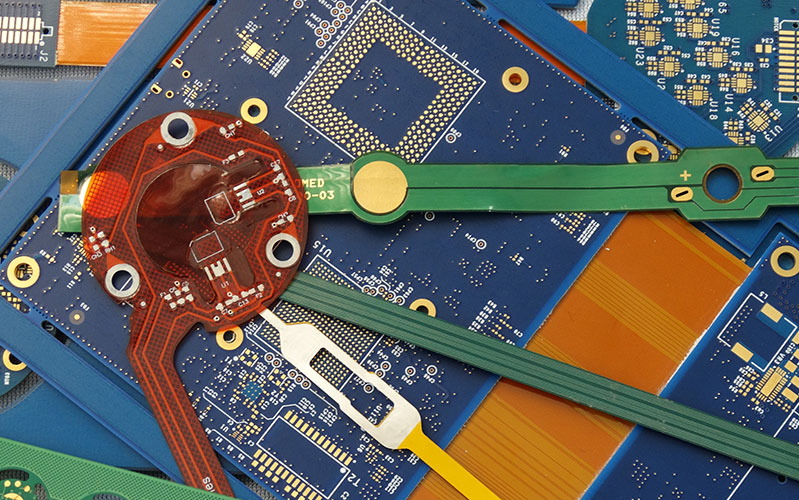
In the rapidly advancing world of electronics, product designers are constantly challenged to create devices that are smaller, lighter, and more reliable. This demand has led to the growing adoption of rigid flex PCBs, a hybrid technology that combines the durability of rigid boards with the flexibility of flexible circuits. Alongside this innovation, the need for Fast Turn Rigid Flex PCB services has become essential for companies aiming to accelerate product development cycles.
Choosing the best rigid flex pcb manufacturer is crucial for ensuring high performance, reliability, and timely delivery in complex electronic applications.
What Is a Rigid Flex PCB?
A rigid flex PCB is a type of printed circuit board that integrates both rigid and flexible layers into a single unified structure. The rigid sections provide stability for mounting components, while the flexible sections allow bending and folding to fit into compact or irregular spaces.
This combination eliminates the need for connectors and cables between boards, reducing overall size and improving reliability.
Rigid flex PCBs are commonly used in:
- Aerospace systems
- Military and defense equipment
- Medical devices
- Consumer electronics (smartphones, wearables)
- Automotive electronics
- Industrial control systems
Their ability to withstand vibration, movement, and mechanical stress makes them ideal for high-performance and space-constrained applications.
Advantages of Rigid Flex PCB Technology
1. Space and Weight Reduction
Rigid flex PCBs eliminate bulky wiring harnesses and connectors, significantly reducing device size and weight.
2. High Reliability
Fewer interconnections mean fewer points of failure. This improves long-term reliability, especially in harsh environments.
3. Improved Signal Integrity
Shorter signal paths reduce noise and interference, making rigid flex PCBs ideal for high-speed and sensitive electronic applications. Manufacturers capable of maintaining impedance control tolerances as tight as ±5% help ensure consistent signal performance.
4. Design Flexibility
Engineers can design complex three-dimensional layouts that fit into compact product enclosures.
5. Enhanced Durability
Rigid flex boards are resistant to vibration, shock, and repeated bending, making them suitable for dynamic environments.
The Role of the Best Rigid Flex PCB Manufacturer
Selecting the best rigid flex PCB manufacturer is critical because these boards require advanced engineering, precise fabrication, and strict quality control.
Advanced Engineering Support
Top manufacturers provide design assistance to optimize flex zones, bend radius, layer stacking, and impedance control. This ensures manufacturability and performance.
Material Expertise
Rigid flex PCBs use specialized materials such as polyimide for flexible layers and FR-4 or high-performance laminates for rigid sections. Manufacturers must carefully select and process these materials to ensure durability and stability.
Precision Manufacturing
Rigid flex fabrication involves complex processes such as laser drilling, multilayer lamination, and controlled impedance routing. Advanced manufacturers offer capabilities such as:
- Rigid-flex boards up to 20 layers
- Flexible boards up to 10 layers
- High-layer count boards up to 50 layers
- Minimum line width/spacing of 2.5 mils
- Minimum aspect ratio of 30:1 (board thickness to hole diameter)
These capabilities enable the production of highly sophisticated and compact electronic systems.
HDI Technology Integration
Many modern rigid flex designs require HDI structures to support miniaturization and increased functionality. Leading manufacturers can provide:
- HDI 1+N+1 structures up to Any-Layer HDI
- Fast delivery within 10 days for advanced HDI projects
This combination of HDI and rigid-flex technology supports demanding applications in aerospace, medical, and communication industries.
Rigorous Quality Control
High-quality manufacturers use advanced inspection techniques, including AOI, electrical testing, micro-section analysis, and 100% X-ray inspection for BGA, QFN, and FPGA assemblies to ensure flawless production.
Challenges in Rigid Flex PCB Manufacturing
Despite their advantages, rigid flex PCBs are more complex and expensive to produce than standard PCBs. Some key challenges include:
- Complex multilayer lamination process
- Precise alignment between rigid and flex sections
- Risk of delamination during bending
- Higher material and production costs
- Strict design rules for bend areas
These challenges highlight the importance of working with an experienced manufacturer capable of handling advanced requirements.
What Is Fast Turn Rigid Flex PCB?
Fast Turn Rigid Flex PCB refers to the rapid production of rigid flex circuit boards within a shortened lead time. This service is designed for companies that need quick prototypes or urgent production without compromising quality.
Fast turn services are especially valuable during:
- Product development and prototyping
- Design validation and testing
- Engineering modifications
- Emergency replacement needs
- Time-sensitive product launches
Benefits of Fast Turn Rigid Flex PCB Services
1. Accelerated Product Development
Fast turnaround allows engineers to quickly test designs and move through development stages faster.
2. Reduced Time-to-Market
Companies can launch products earlier, gaining a competitive advantage in fast-moving industries.
3. Rapid Design Iteration
Quick feedback cycles help identify design flaws and improve product performance efficiently.
4. Lower Development Risk
Early detection of manufacturing issues reduces costly redesigns during mass production.
5. Flexible Production Capability
Fast turn services support both small-batch production and urgent prototype requirements while maintaining strict quality standards.
Advanced Surface Finishes and Assembly Capabilities
The performance and reliability of rigid flex PCBs are influenced by both fabrication quality and assembly precision.
Leading manufacturers offer premium surface finishes including:
- ENIG (Electroless Nickel Immersion Gold)
- ENEPIG (Electroless Nickel Electroless Palladium Immersion Gold)
- Hard Gold plating up to 50 µin
These finishes provide excellent corrosion resistance, superior solderability, and long-term durability.
For advanced electronic assemblies, manufacturers may also support:
- 01005 component soldering capability
- High-density SMT assembly
- Precision placement for miniaturized electronic products
These capabilities are particularly important for medical devices, aerospace electronics, wearables, and IoT products.
Why Combine Rigid Flex Technology with Fast Turn Manufacturing?
Modern electronic devices require both advanced design and rapid development. Partnering with the best rigid flex PCB manufacturer that also offers fast turn rigid flex pcb services provides significant advantages.
For example, a wearable medical device may require a compact rigid flex design to fit into a small enclosure while also needing fast prototyping to test functionality and comfort.
This combination offers:
- Faster prototyping and validation
- Improved product design efficiency
- Reduced communication delays
- Higher manufacturing accuracy
- Streamlined supply chain management
Industries That Rely on Rigid Flex PCBs
Aerospace and Defense
Rigid flex PCBs are used in avionics, satellites, and defense systems where reliability and space-saving design are critical.
Medical Devices
Compact and flexible designs are essential for surgical instruments, diagnostic equipment, imaging systems, and wearable health monitors.
Consumer Electronics
Smartphones, smartwatches, tablets, and wearable technology use rigid flex technology for compact and durable internal layouts.
Automotive Industry
Advanced driver assistance systems (ADAS), battery management systems, and infotainment platforms rely on flexible and vibration-resistant PCBs.
Industrial Equipment
Robotics and automation systems benefit from rigid flex designs that withstand movement and harsh operating conditions.
How to Choose the Best Rigid Flex PCB Manufacturer
When selecting a manufacturing partner, consider the following factors:
- Experience in rigid flex PCB production
- Advanced engineering and design support
- HDI and multilayer PCB expertise
- High-quality material sourcing
- Precision manufacturing capabilities
- Fast turn production options
- Strong quality assurance systems
- Advanced assembly and inspection technologies
- Industry certifications and compliance
Leading manufacturers maintain:
- ISO9001 certification
- ISO13485 certification
- Compliance with IPC Class 3 standards
These certifications demonstrate a commitment to quality, consistency, and high-reliability manufacturing.
Conclusion
The demand for compact, durable, and high-performance electronics continues to grow, making rigid flex PCB technology an essential solution for modern design challenges. Working with the best rigid flex PCB manufacturer ensures high-quality production, while Fast Turn Rigid Flex PCB services enable rapid prototyping and faster time-to-market.
By partnering with a manufacturer that offers Any-Layer HDI technology, 50-layer fabrication capability, ±5% impedance control, 2.5 mil trace technology, 20-layer rigid-flex construction, ENIG/ENEPIG/Hard Gold finishes, 100% X-ray inspection, 01005 assembly capability, and ISO9001/ISO13485-certified IPC Class 3 manufacturing, companies can accelerate innovation, reduce development risks, and deliver advanced electronic products with confidence.