

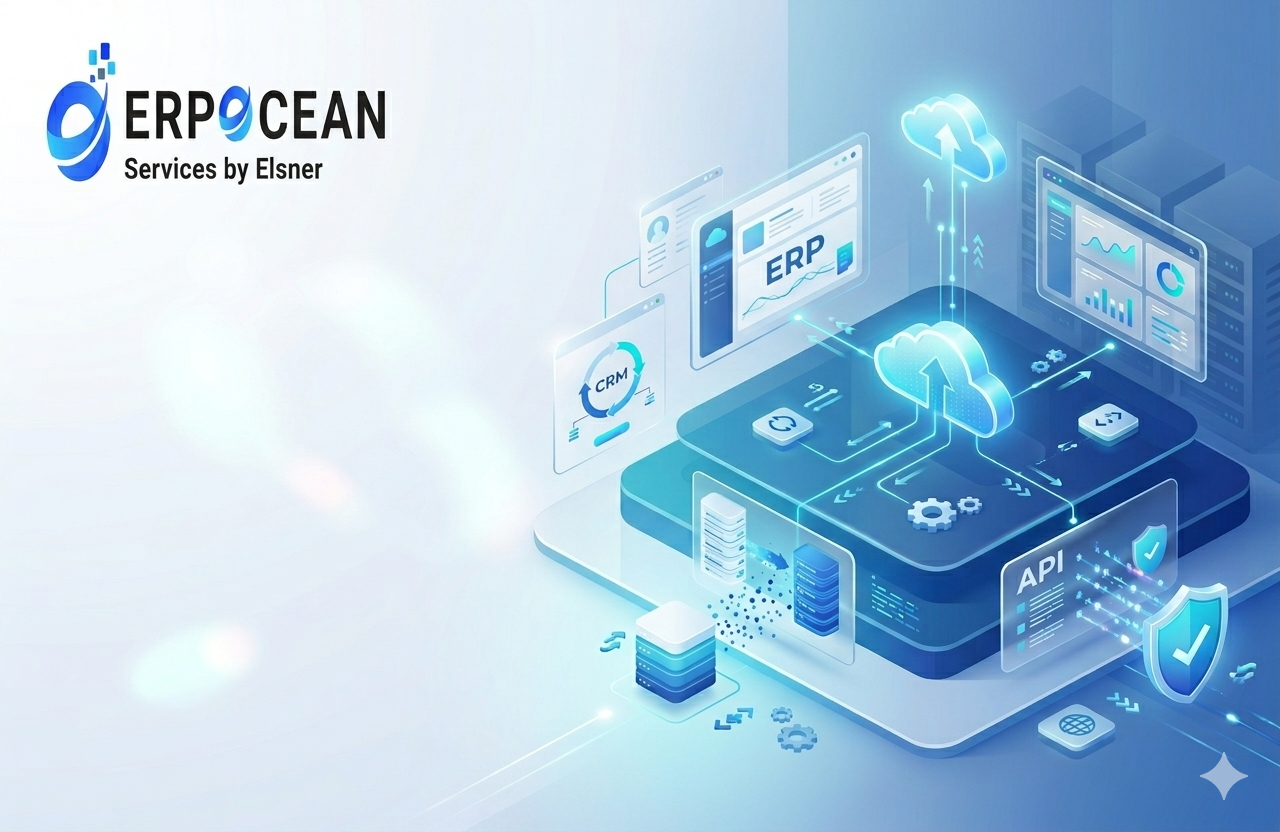
Modern businesses rely on connected systems to manage operations, customer relationships, finance, inventory, and analytics in one unified ecosystem. As organizations adopt Microsoft Dynamics 365, integration has become one of the biggest priorities for digital transformation. However, despite the flexibility and scalability of the platform, many companies still struggle with ERP and CRM integration, data synchronization, legacy systems, and workflow automation.
According to recent enterprise technology trends, businesses are increasingly shifting toward cloud-based ERP systems and AI-driven automation to improve operational efficiency and real-time decision-making. Yet integration failures continue to create delays, data silos, security risks, and rising implementation costs.
At ERPOcean, businesses receive tailored ERP modernization and integration solutions designed to simplify digital transformation and improve operational efficiency across industries.
In this guide, we’ll explore the most common ERP implementation problems, explain why they happen, and share practical solutions aligned with the latest SEO and enterprise technology trends in 2026.
Why Microsoft Dynamics 365 Integration Matters in 2026
A successful Microsoft Dynamics 365 integration helps businesses connect ERP, CRM, finance, sales, supply chain, HR, and third-party applications into one centralized platform. This improves collaboration, reporting accuracy, customer experience, and automation.
Companies investing in AI-powered ERP for intelligent business automation are now prioritizing:
- Real-time data synchronization
- Automated workflows
- Cloud scalability
- API-first architecture
- AI-based analytics
- Enterprise data security
Businesses that fail to modernize their ERP infrastructure often experience operational inefficiencies and disconnected business processes.
For organizations planning long-term digital transformation, working with a reliable Microsoft Dynamics partner in India like ERPOcean can significantly reduce integration complexity and implementation risks.
Common Challenges in Microsoft Dynamics ERP Integration
1. Legacy System Compatibility Issues
One of the biggest challenges in Microsoft Dynamics ERP integration is connecting older software systems with modern cloud infrastructure. Many enterprises still operate outdated accounting tools, inventory systems, or on-premise databases that lack API support.
Common Problems
- Inconsistent data formats
- Limited integration capabilities
- Slow synchronization
- Security vulnerabilities
- High maintenance costs
Solution
Businesses should adopt an API-first integration strategy that enables smooth communication between legacy applications and modern ERP platforms.
ERPOcean helps organizations modernize legacy ERP environments through scalable API-driven integration frameworks that improve long-term business agility and system performance.
A strong example of this approach is discussed in this detailed guide on API-first ERP integration strategies, which explains how modern APIs improve scalability, flexibility, and long-term system compatibility.
2. Poor Data Migration and Enterprise Data Management
Data migration failures remain one of the leading causes of ERP implementation delays. When organizations move from traditional software to a cloud-based ERP system, inconsistent or duplicate data can disrupt operations.
Common Data Migration Issues
- Duplicate customer records
- Missing financial data
- Inaccurate reporting
- Corrupted historical records
- Manual migration errors
Best Practices for ERP Integration Challenges
To improve enterprise data management, businesses should:
- Conduct data audits before migration
- Remove outdated or duplicate records
- Standardize naming conventions
- Use automated validation tools
- Implement backup and recovery strategies
Strong cloud migration services also help reduce downtime and ensure secure data transfer during ERP deployment.
ERPOcean provides secure migration planning and ERP data optimization services to help businesses reduce risks during cloud transformation projects.
3. ERP and CRM Integration Complexity
Connecting CRM platforms with ERP systems is essential for creating a unified customer experience. However, many organizations struggle with synchronization between sales, finance, customer service, and inventory management tools.
Without proper integration, teams often work with incomplete or outdated information.
Key Integration Challenges
- Real-time sync failures
- Inconsistent customer data
- Delayed reporting
- Workflow duplication
- Poor communication between departments
Solution
Businesses should focus on centralized integration architecture and automation workflows that connect all departments in real time.
Using AI-driven synchronization tools can improve:
- Lead tracking
- Customer insights
- Sales forecasting
- Inventory planning
- Automated reporting
This is where best practices for integrating AI with ERP systems become increasingly important in 2026.
ERPOcean supports intelligent ERP and CRM integration strategies that improve operational visibility, workflow automation, and business collaboration.
4. Lack of ERP Customization Strategy
Many companies assume ERP software will perfectly match existing business processes. In reality, every organization has unique workflows, operational requirements, and reporting needs.
Poor customization planning often results in:
- Employee resistance
- Inefficient workflows
- Increased operational costs
- Low adoption rates
Solution
Modern ERP customization services allow businesses to tailor dashboards, workflows, automation rules, and integrations according to industry-specific needs.
Instead of over-customizing the platform, organizations should prioritize scalable configurations that support future growth.
ERPOcean delivers customized Microsoft Dynamics solutions aligned with industry-specific operational requirements and long-term scalability goals.
5. Security and Compliance Risks
As businesses adopt SaaS ERP solutions, cybersecurity has become a major concern. ERP platforms store sensitive customer data, financial records, operational workflows, and supply chain information.
Common Security Risks
- Unauthorized data access
- Weak API security
- Compliance violations
- Cloud misconfigurations
- Third-party integration vulnerabilities
Solution
Organizations should implement:
- Multi-factor authentication
- Role-based access controls
- Encrypted API communication
- Regular compliance audits
- Automated monitoring systems
Working with experienced Dynamics 365 consulting services providers like ERPOcean can help businesses create secure and compliant ERP ecosystems.
6. Integration Scalability Challenges
As businesses grow, ERP systems must handle increasing amounts of data, users, transactions, and connected applications.
Traditional integration methods often fail to scale efficiently.
Solution
Modern organizations are moving toward:
- Cloud-native integration
- Microservices architecture
- AI-powered automation
- Real-time API connectivity
- Scalable cloud infrastructure
An API-first ecosystem allows businesses to expand integrations without rebuilding their entire ERP architecture.
ERPOcean helps enterprises build scalable ERP integration environments that support future business expansion and evolving digital infrastructure requirements.
Best Practices for Successful Microsoft Dynamics 365 Integration
To ensure long-term ERP success in 2026, businesses should follow these proven strategies:
Define Clear Integration Goals
Identify:
- Business objectives
- Workflow requirements
- Reporting expectations
- Automation opportunities
ERPOcean works closely with organizations to create customized ERP integration roadmaps based on business goals and operational challenges.
Use AI and Automation Strategically
Modern ERP systems are increasingly powered by AI for:
- Predictive analytics
- Inventory forecasting
- Intelligent automation
- Customer behavior analysis
- Workflow optimization
This shift toward AI-powered ERP for intelligent business automation is transforming enterprise operations across industries.
ERPOcean integrates AI-driven ERP capabilities that improve business intelligence, efficiency, and automated decision-making.
Prioritize API-First Architecture
API-first connectivity improves:
- System flexibility
- Third-party integrations
- Real-time synchronization
- Faster deployment
- Long-term scalability
Businesses adopting API-first ERP infrastructure gain a major competitive advantage in digital transformation initiatives.
ERPOcean specializes in API-first ERP modernization strategies that simplify enterprise connectivity and improve integration scalability.
Partner With Experienced ERP Experts
A trusted implementation partner can simplify migration, customization, security, and integration planning.
Companies searching for a reliable Microsoft Dynamics consulting and integration partner should prioritize experience in cloud ERP modernization, automation, and enterprise integration services.
With expertise in Microsoft Dynamics implementation, ERP consulting, and cloud transformation, ERPOcean helps businesses streamline complex integration projects with reduced operational risks.
Final Thoughts
As businesses continue investing in automation, AI, and digital transformation, successful Microsoft Dynamics 365 integration has become essential for operational efficiency and long-term scalability.
However, challenges related to legacy systems, data migration, security, customization, and scalability can quickly impact ERP performance if not handled correctly.
Organizations that adopt API-first infrastructure, intelligent automation, and strong integration strategies will be better positioned for growth in 2026 and beyond.
By implementing the right technologies, following best practices for ERP integration challenges, and partnering with experienced ERP specialists like ERPOcean, businesses can unlock the full potential of modern ERP ecosystems.
FAQs
1. What is Microsoft Dynamics 365 integration?
Microsoft Dynamics 365 integration connects ERP, CRM, finance, inventory, HR, and third-party applications into one centralized platform. It helps businesses improve automation, operational efficiency, and real-time data management.
2. What are the biggest challenges in Microsoft Dynamics ERP integration?
The most common challenges include:
- Legacy system compatibility
- Data migration errors
- ERP and CRM integration complexity
- Security and compliance risks
- Scalability limitations
- Poor customization planning
These issues can impact workflow efficiency and business performance.
3. Why is ERP and CRM integration important?
ERP and CRM integration helps businesses unify customer, sales, finance, and operational data. This improves reporting accuracy, customer experience, workflow automation, and decision-making across departments.
4. How does API-first integration improve ERP systems?
API-first integration improves:
- Real-time data synchronization
- System flexibility
- Third-party connectivity
- Faster implementation
- Long-term scalability
Businesses using API-first ERP architecture can modernize operations more efficiently.
5. Why choose ERPOcean for Microsoft Dynamics 365 integration services?
ERPOcean provides customized Microsoft Dynamics integration, cloud ERP modernization, API-first architecture, and enterprise automation solutions that help businesses reduce implementation risks and accelerate digital transformation.