
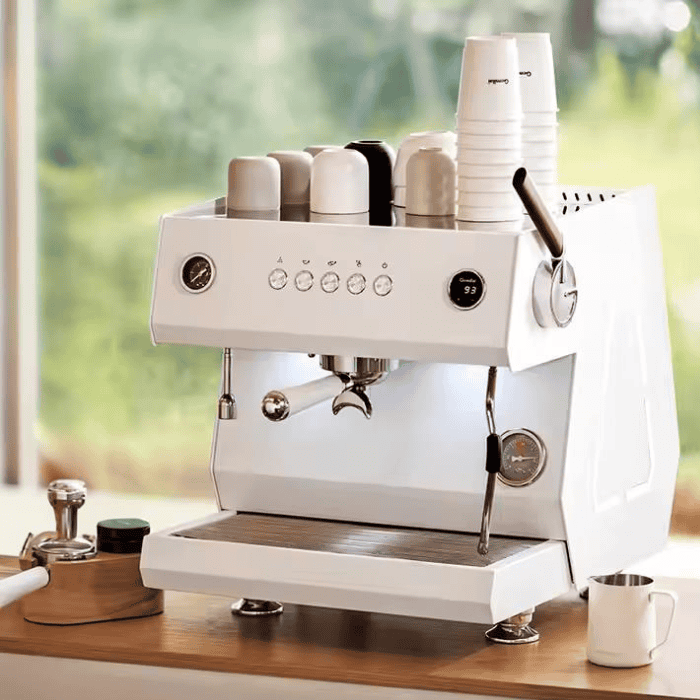
For food and beverage businesses, hospitality operators, and corporate facilities managers, coffee service is not a peripheral concern. It is a daily operational function that touches staff productivity, customer satisfaction, and revenue generation in measurable ways. Investing in the right coffee equipments requires a procurement approach that goes beyond selecting a single machine. It means evaluating the entire equipment ecosystem, from brewing systems and grinders to water filtration units and milk handling components, as an integrated operational asset. Understanding the full financial scope of this commitment, from installation and consumables to maintenance and eventual replacement, requires treating coffee equipment not as a purchase but as a managed asset within the operational budget.
Businesses that approach this investment with a systems perspective consistently achieve better outcomes than those focused narrowly on individual machine specifications. The full equipment setup determines service speed, output quality, maintenance complexity, and the total cost of running a commercial coffee operation across multiple years of daily use.
Why Coffee Equipment Selection Requires a Systems View
A commercial coffee operation functions as a chain of interdependent components. The performance of an espresso machine is directly influenced by the consistency of the grinder feeding it. The output quality of both depends on the standard of water treatment applied upstream. Maintenance complexity is shaped by how well each component integrates with the others. Procuring individual pieces of equipment without accounting for these dependencies creates operational friction that is both difficult and expensive to resolve after initial installation. The downstream cost of correcting a poorly planned equipment setup typically far exceeds the cost of getting the specification right from the outset.
Businesses building or upgrading their commercial beverage infrastructure can explore a comprehensive range of coffee equipments that covers every component of a professional setup, ensuring compatibility and performance alignment across the entire service operation.
The Financial Logic of Full Suite Coffee Investment
Piecemeal equipment procurement might appear to reduce upfront capital exposure, but it consistently produces a higher total cost of ownership over time. Mismatched components require operational workarounds that add labour cost. Equipment sourced from multiple suppliers complicates servicing arrangements and extends maintenance downtime. Replacement cycles fall out of alignment, creating periods where some components are ageing while others are newly installed, making forward capital expenditure planning difficult to manage with accuracy.
A coordinated procurement approach, where the full equipment suite is specified together against defined operational requirements, removes these inefficiencies. It allows businesses to negotiate stronger service terms, simplify staff training, and plan maintenance schedules against a consistent and predictable equipment lifecycle.
Matching Equipment to Actual Business Scale
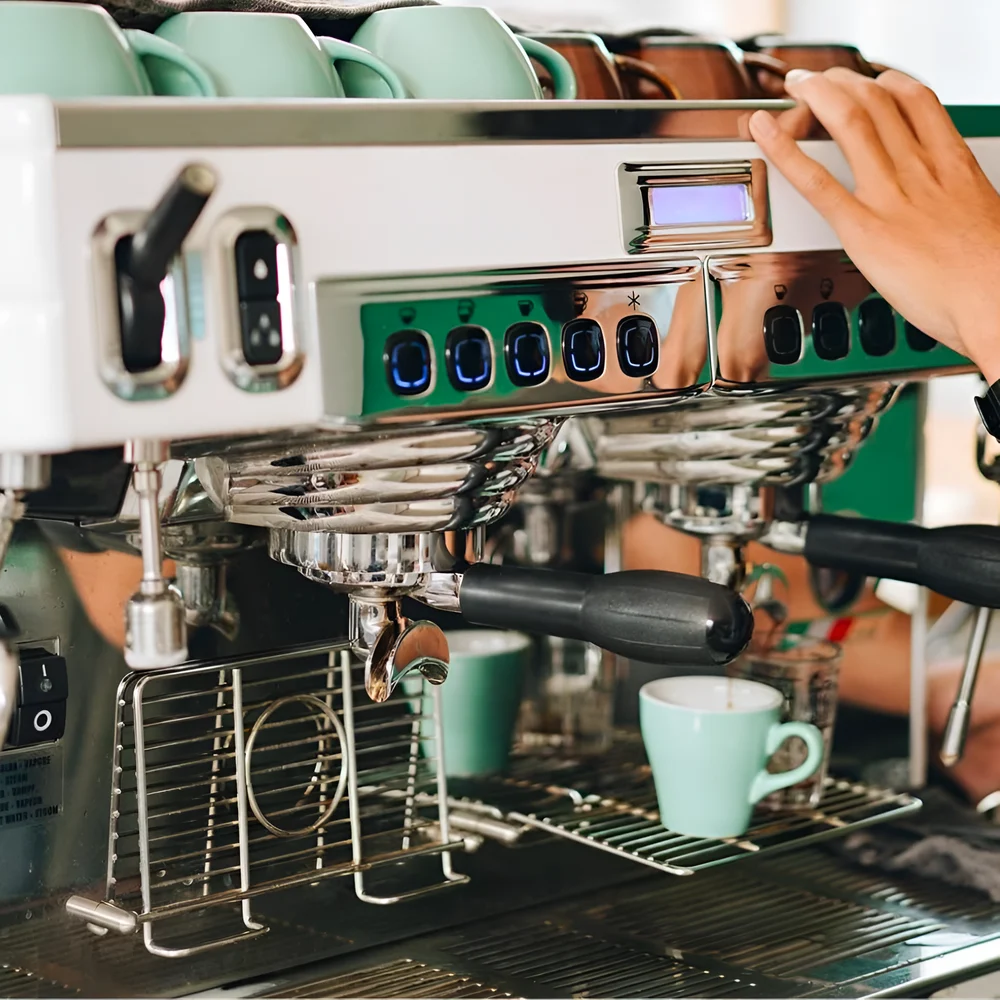
The equipment profile suited to a high volume hotel breakfast service is fundamentally different from what a specialty cafe or a mid sized corporate office pantry requires. Volume capacity, automation level, physical footprint, and power requirements vary significantly across these operating formats. Procurement decisions grounded in actual service demand rather than optimistic output targets produce a better return on capital and avoid the problem of underutilised equipment that inflates cost without delivering corresponding operational value.
Operators looking to strengthen their setup with advanced automation can review automatic coffee machines that integrate modern brewing technology with the operational reliability that commercial environments demand. The combination of correctly specified equipment and an appropriate level of automation produces a coffee service that performs consistently without requiring disproportionate staff time or management attention throughout the service day.
Building Coffee Infrastructure That Delivers Over Time
The strongest commercial coffee equipment investments share one consistent trait: they were made with a long term operational view rather than a short term cost minimisation focus. Equipment correctly specified at the procurement stage delivers lower per cup costs, fewer service interruptions, and a more consistent customer experience across the full operational life of the asset.
For decision makers in hospitality, corporate facilities, and food service, treating coffee equipment procurement as a structured capital planning exercise rather than a routine supply purchase fundamentally changes the quality of the investment outcome. The discipline applied at the selection stage, from compatibility assessment to supplier service evaluation, compounds into measurable returns throughout the working life of every asset in the setup.