

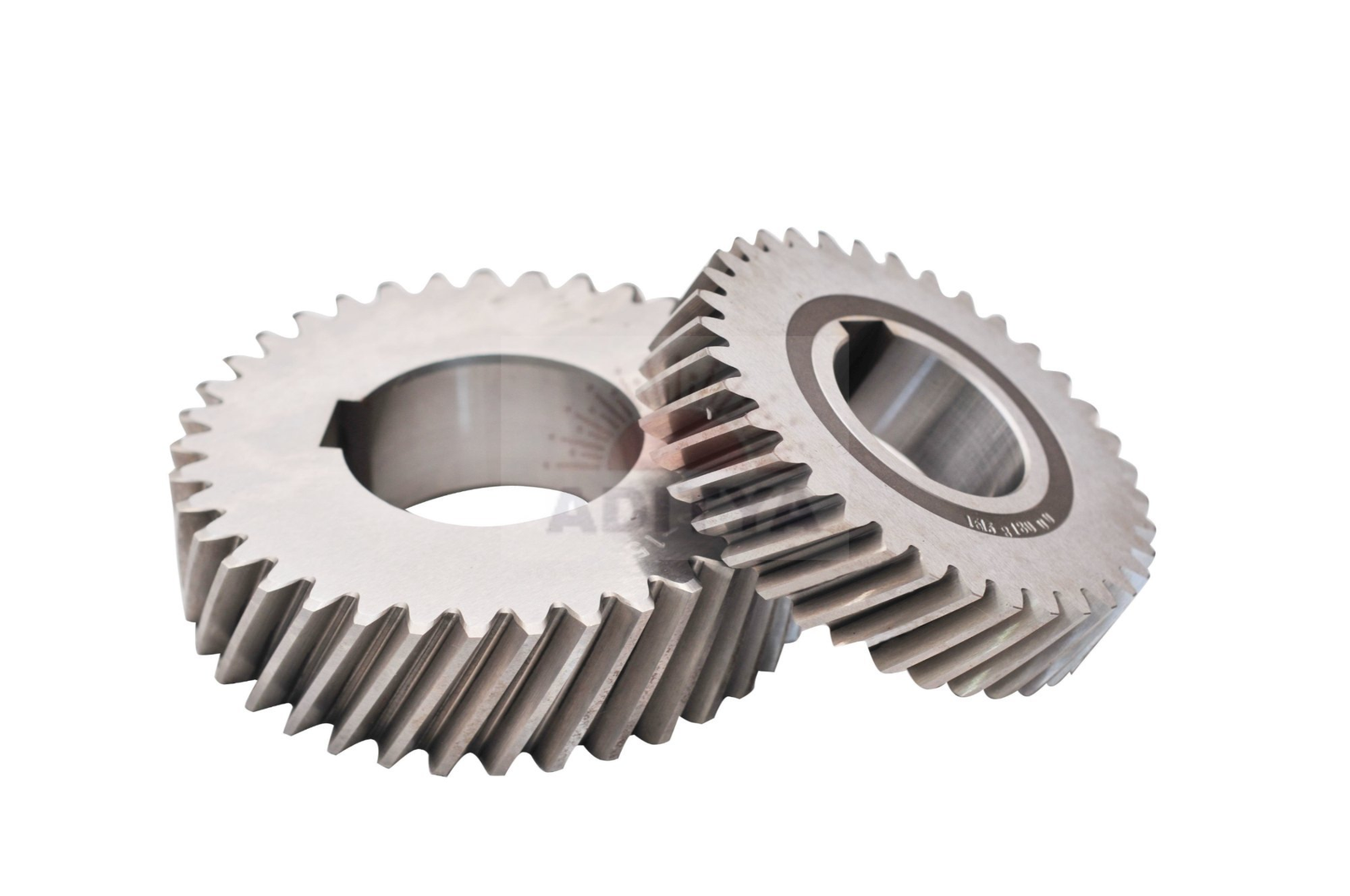
An air compressor is a powerful tool, essential for a wide range of tasks in workshops, garages, and industrial settings. Like any machine with moving parts, it requires regular maintenance to perform efficiently and safely. Over time, components will wear out, leading to reduced performance and potential system failure. Knowing how to identify these worn parts and replace them correctly can extend the life of your equipment and save you from costly repairs. This guide offers a look into recognizing and addressing common signs of wear.
Signs of Worn Compressor Parts
The first step in maintenance is recognizing that a problem exists. Your compressor will often give you clues that a component is failing. Paying attention to these signs can help you catch issues before they escalate.
One of the most common indicators is a noticeable drop in performance. If your compressor struggles to build pressure or takes much longer than usual to fill its tank, it could signal a problem with the piston rings or valves. Another red flag is unusual noise. While compressors are not silent, any new clanking, knocking, or grinding sounds should be investigated immediately, as they can point to failing bearings or a loose connecting rod.
Excessive vibration is also a symptom of a problem. This might be caused by a loose mounting bolt or an imbalanced component. Additionally, check for air or oil leaks. Air leaks can often be heard as a hissing sound and indicate failing seals or gaskets. Oil leaks, visible as puddles or residue, might mean a gasket has failed or a seal has worn out.
Key Components to Inspect
When you suspect a problem, a systematic inspection of key parts can help you pinpoint the source. Focus on the components that experience the most stress during operation.
Piston Seals and Rings
In a piston-style compressor, the seals and rings are crucial for creating compression. When these wear down, air can leak past the piston, resulting in a loss of pressure. Visually inspect these parts for cracks, brittleness, or visible signs of wear. A compression test can also help diagnose the health of these components.
Valves and Valve Plates
The intake and exhaust valves control the flow of air into and out of the cylinder. If a valve is damaged, cracked, or not seating properly due to carbon buildup, the compressor will not function efficiently. The valve plate, which houses these valves, can also become warped or damaged. Inspect these for any visible defects or obstructions.
Belts and Bearings
For belt-driven compressors, check the belt for cracks, fraying, or excessive slack. A worn belt can slip, reducing efficiency and eventually breaking. Bearings in the motor and pump can also wear out, leading to loud noises and overheating. If a bearing feels rough when turned by hand (with the power off), it likely needs replacement.
Gaskets and Seals
Gaskets and seals are found throughout the compressor, creating airtight connections between parts. Over time, they can become hard and brittle, leading to leaks. Inspect all connection points, such as the cylinder head and crankcase, for any signs of oil or air leakage.
Steps for Replacing Compressor Parts
Once you have identified a worn part, replacement is the next step. Always prioritize safety before beginning any work.
- Disconnect Power: Unplug the compressor and release all air pressure from the tank. Never work on a pressurized or powered machine.
- Access the Component: Depending on the part, you may need to remove a housing or other components to access it. Take pictures as you disassemble to help you remember how everything fits together.
- Remove the Old Part: Carefully remove the worn-out component. Pay attention to how it was installed, including its orientation and any associated hardware.
- Clean the Area: Before installing the new part, clean the surrounding surfaces. Remove any old gasket material, dirt, or oil buildup to ensure a proper fit and seal.
- Install the New Part: Install the replacement component, making sure it is seated correctly. Use new gaskets and seals whenever you reassemble parts.
- Reassemble and Test: Put the compressor back together, tightening all bolts to the manufacturer’s specifications. Once assembled, power on the compressor and let it build pressure while you check for leaks or unusual noises.
Maintaining Your Compressor for Longevity
Replacing parts is reactive; proactive maintenance is key to a long service life. Regularly check and change the oil, clean the air filter, and drain moisture from the tank. Establishing a consistent maintenance schedule helps you spot wear before it becomes a major problem. For sourcing parts, look for suppliers with a well-organized online presence. A company that invests in homepage optimization is often easier to navigate, helping you find the exact part you need quickly.
By understanding the signs of wear and learning how to inspect and replace key components, you can ensure your air compressor remains a reliable and effective tool for years to come.