

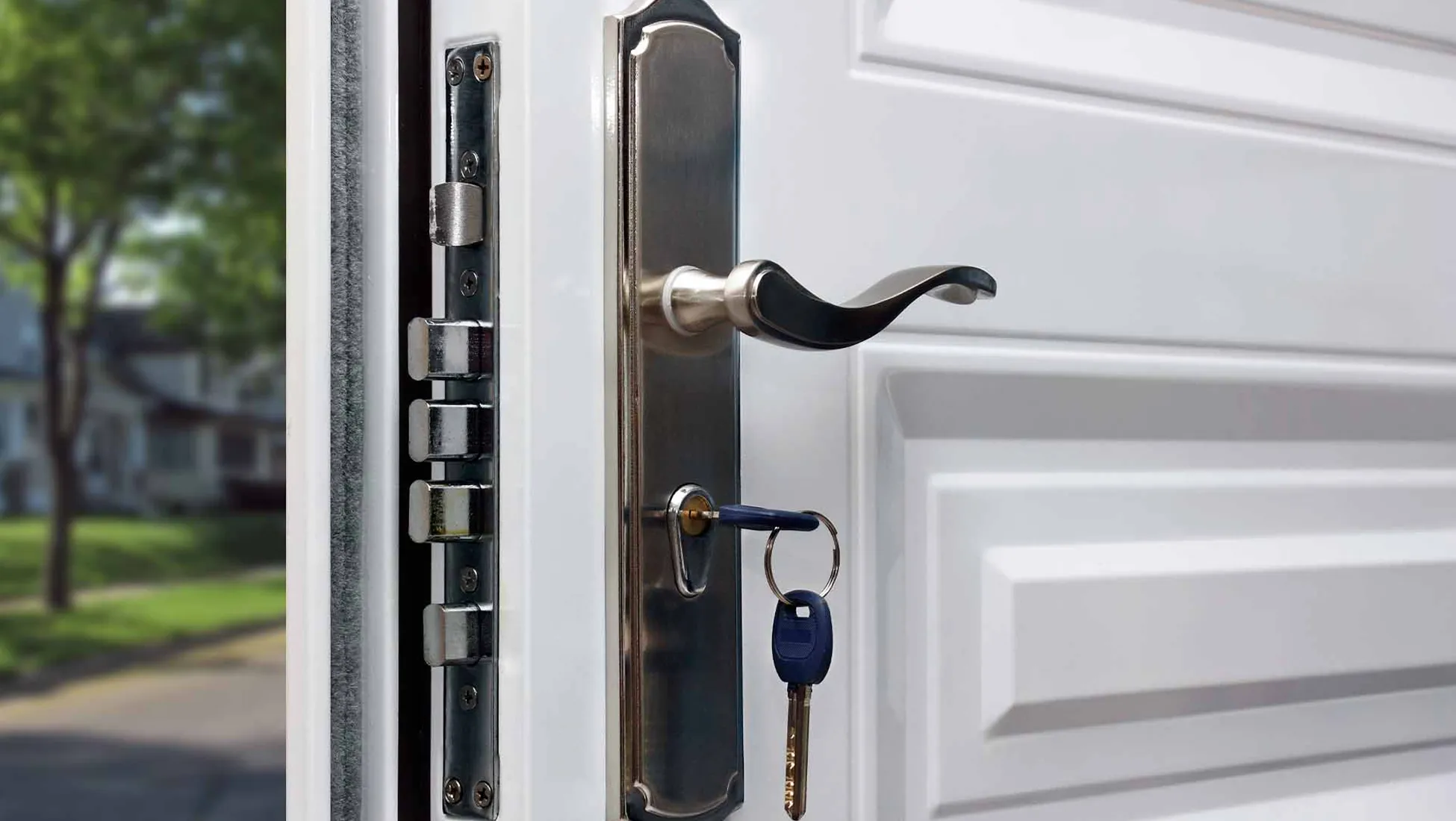
Why Multipoint Locks Develop Problems Over Time
Multipoint locks are designed to provide strong and reliable security, but like any mechanical system, they are not immune to problems. Many of the issues that develop over time are not caused by poor-quality locks, but by incorrect installation, misalignment, or lack of maintenance.
A locksmith will often find that homeowners assume the lock itself is faulty, when in reality the issue lies with the door alignment or surrounding components. According to leading experts at Locksandhardware, understanding these common problems can help prevent them and ensure your lock continues to perform effectively.
The Most Common Issues with Multipoint Locks
One of the most frequent problems is difficulty lifting the handle. This can occur when the locking points are not aligning properly with the frame, requiring extra force to engage the mechanism.
Another common issue is stiffness when turning the key. This is often caused by internal wear or misalignment, which puts additional strain on the locking system.
In some cases, the lock may fail to engage completely, leaving the door only partially secured. This can be a serious security risk if not addressed promptly.
A locksmith will typically diagnose these issues by checking alignment, inspecting the locking strip, and assessing the condition of the door.
The Role of Door Alignment in Lock Performance
Door alignment is one of the most critical factors in the performance of a multipoint lock. If the door is even slightly out of alignment, the locking points may not engage correctly.
This misalignment can be caused by worn hinges, changes in temperature, or general wear over time. As the door shifts, the lock is forced to work harder, leading to increased wear and eventual failure.
A locksmith will often adjust the hinges and realign the door to restore proper operation. This simple adjustment can resolve many common issues without the need for replacement.
How Installation Affects Long-Term Performance
Proper installation is essential for preventing problems with multipoint locks. When the lock is fitted correctly, all components work together smoothly, reducing strain and wear.
Incorrect installation can lead to uneven pressure on the locking points, causing stiffness and difficulty in operation. Over time, this can damage the internal mechanism and shorten the lifespan of the lock.
A locksmith ensures that the lock is installed with precision, aligning all components and testing the system thoroughly.
Maintenance as a Preventative Measure
Regular maintenance plays a key role in preventing problems with multipoint locks. This includes cleaning the mechanism, applying lubricant, and checking for signs of wear.
Neglecting maintenance can lead to dirt and debris building up in the locking strip, increasing friction and making the lock harder to operate.
A locksmith may recommend a maintenance schedule to keep the lock in good condition and prevent issues from developing.
When to Repair vs Replace
Not all problems require a full replacement. In many cases, issues can be resolved through adjustment or minor repairs.
However, if the lock is severely worn or damaged, replacement may be the best option. A locksmith can assess the condition of the lock and recommend the most cost-effective solution.
Real-World Impact of Ignoring Problems
Ignoring problems with a multipoint lock can lead to more serious issues over time. What starts as a minor inconvenience can develop into a complete failure, leaving the door unsecured.
Statistics suggest that many lock failures occur due to neglect rather than sudden damage. Addressing issues early can prevent costly repairs and maintain security.
Conclusion
Multipoint lock problems are often preventable with proper installation, alignment, and maintenance. By understanding the common issues and working with a professional locksmith, homeowners can ensure their locks remain reliable and secure.
Taking a proactive approach not only extends the lifespan of the lock but also provides peace of mind that your property is protected.