

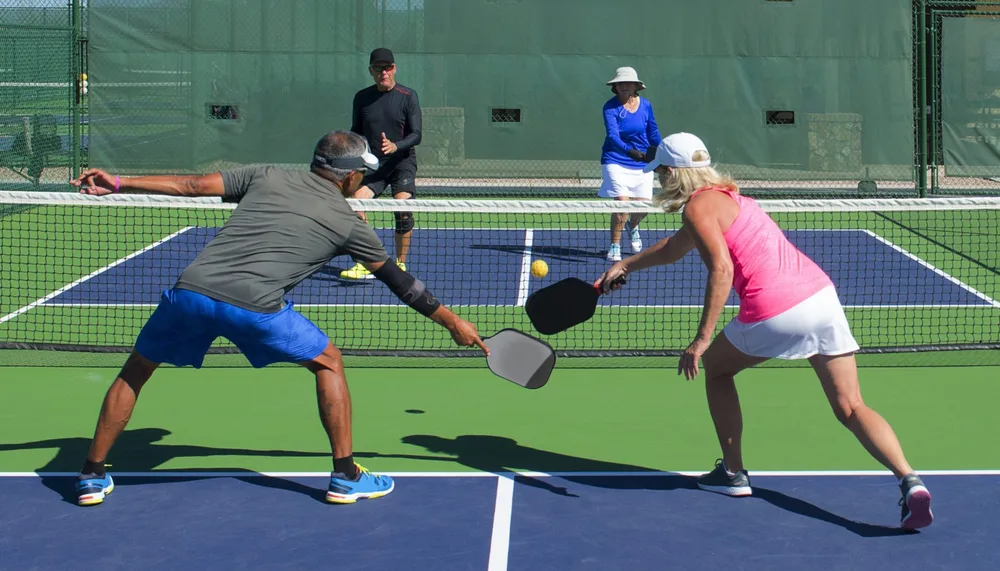
Pickleball has exploded in popularity over the past few years, attracting players of all ages and skill levels. Whether you’re a beginner or an experienced athlete looking to improve, training smarter not just harder is key to elevating your game. In this guide, we’ll explore strategies, drills, and tips to help you maximize your pickleball potential, with a nod to athletes like Genie Bouchard, who understand the importance of precision, agility, and mental focus in any sport.
Understanding the Basics
Before diving into training routines, it’s essential to understand the fundamentals of pickleball. The game combines elements of tennis, badminton, and ping pong, requiring quick reflexes, accurate shot placement, and strong court awareness. Familiarize yourself with essential shots like the dink, drive, volley, and lob, as well as basic court positions. A strong foundation ensures that every drill you do is building the right skills.
Warm-Up and Conditioning
Like any sport, proper warm-up and conditioning are critical. Pickleball demands lateral movement, short sprints, and quick reaction times. Start each session with 5–10 minutes of dynamic stretches focusing on your shoulders, wrists, legs, and core. Exercises like high knees, side shuffles, and arm circles increase blood flow and reduce the risk of injury.
Conditioning off the court is just as important. Incorporate agility drills, resistance training, and cardio into your routine. Ladder drills improve foot speed, while resistance bands strengthen the rotator cuff for powerful and controlled swings. Endurance and flexibility contribute to longer, more consistent play without fatigue.
Drills to Train Smarter
Training smarter means focusing on quality over quantity. Here are several effective drills to improve your pickleball skills:
- Dinking Drill: Position yourself near the non-volley zone and practice short, soft shots over the net. Focus on control and placement rather than power.
- Target Practice: Set up cones or markers on the court and aim your shots at them. This builds accuracy and strategic thinking, helping you control the pace of the game.
- Footwork Drills: Shuffle side-to-side and practice pivoting quickly. Good footwork ensures you’re always in the best position to make a shot.
- Serve and Return Practice: The serve sets the tone for every point. Work on consistent serves and practice returning various types of serves to improve your anticipation.
- Simulated Points: Play out points with a partner, focusing on shot selection and strategy. This helps integrate your skills into real-game scenarios.
Mental Training Matters
Pickleball is as much a mental game as a physical one. Maintaining focus, staying calm under pressure, and reading your opponent’s intentions are crucial for success. Visualization exercises, where you picture successful shots and match scenarios, can help. Even top athletes like Genie Bouchard emphasize mental preparation alongside physical training confidence and focus often make the difference in competitive play.
Recovery and Consistency
Training smarter also means giving your body time to recover. Adequate rest, proper hydration, and nutrition all support peak performance. Overtraining can lead to injuries and setbacks, so balance intense practice sessions with light days or cross-training activities like yoga or swimming.
Consistency is key. Short, regular sessions are more effective than occasional intense bursts. Focus on specific skills each session and track your progress over time. Improvement comes from deliberate practice, not just hours spent on the court.
Gear and Environment
While skill and training are paramount, having the right gear can make a difference. Pickleball paddles vary in weight, grip size, and material experiment to find what suits your style. Court surface and shoe type also impact movement and safety. Choosing the right environment for training, such as a well-lit court with proper lines and nets, helps maintain focus and performance.