

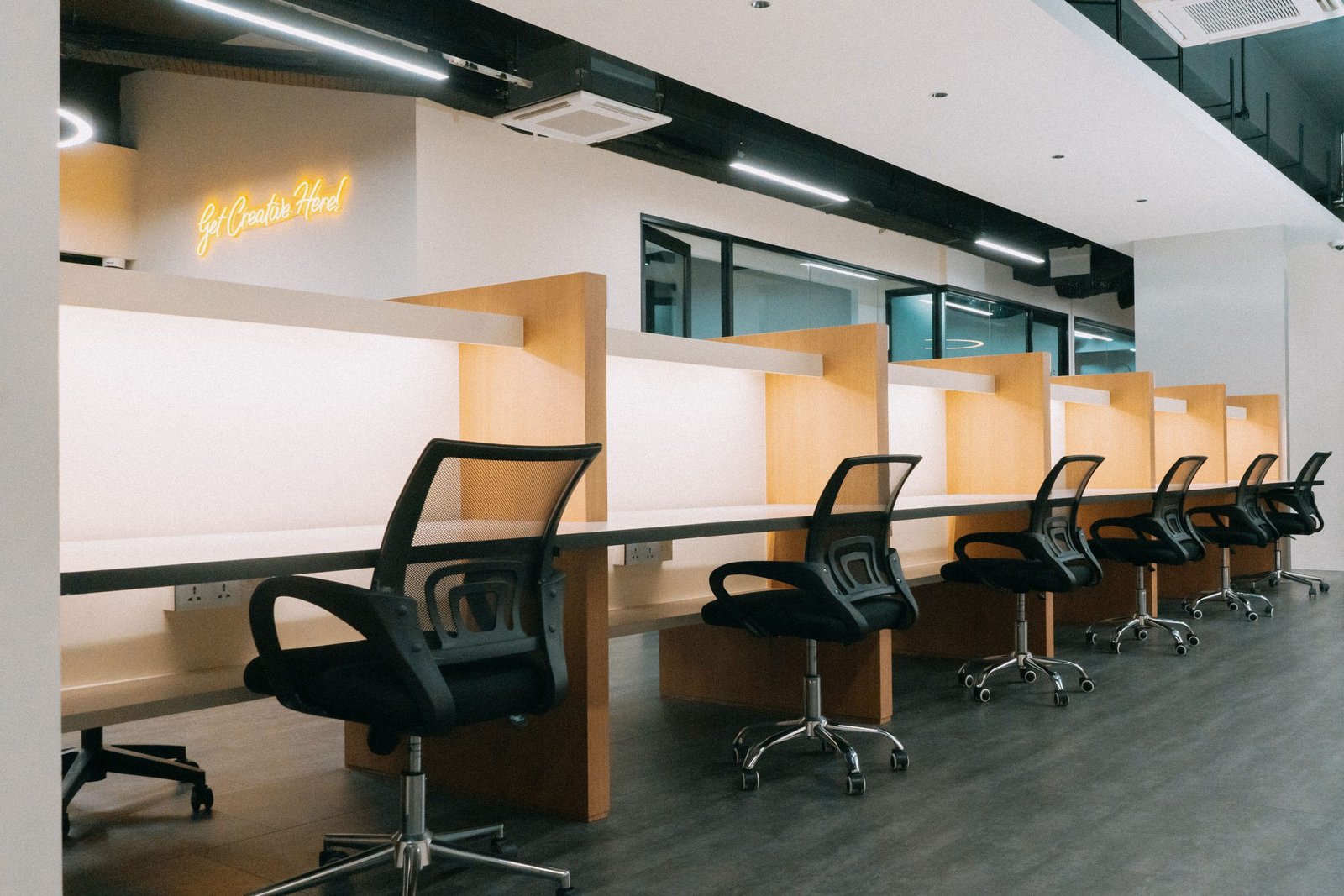
The way businesses use office space has changed significantly. Companies no longer have to choose between a large traditional office and working entirely from home. Today, professionals can choose flexible workspace solutions that provide privacy, convenience, and a professional environment while adapting to changing business requirements.
For startups, consultants, small businesses, remote teams, and established companies, a private office space Singapore option can provide an effective balance between independence and flexibility. A private office gives businesses their own dedicated environment while avoiding some of the challenges associated with setting up and maintaining a conventional office.
What Makes a Private Office Different?
A private office provides a dedicated workspace for an individual or team. Unlike open coworking areas, where multiple professionals share the same working environment, a private office offers a greater level of separation.
This can be particularly useful for businesses that handle confidential information, conduct frequent meetings, or need an environment where employees can concentrate.
The office becomes a dedicated base for the company. Team members can organize their workstations, establish routines, and create a working environment suited to their daily responsibilities.
Why Businesses Are Choosing Private Offices
Flexibility has become an important consideration when businesses select a workplace. Companies need to think about their current team size, future growth, budget, and working style.
A traditional office lease can involve significant planning. Businesses may need to arrange furniture, internet services, utilities, equipment, maintenance, and other essentials before employees can begin working.
A private office in a flexible workspace can simplify many of these requirements.
Instead of starting with an empty commercial unit, businesses can choose a ready-to-use professional environment and focus more attention on their core operations.
Privacy for Focused Work
One of the most important benefits of having a private office is the ability to control the working environment.
Employees may need to discuss internal projects, client information, financial matters, contracts, or business strategies. Conducting these conversations in a busy shared area may not always be suitable.
A private office provides greater separation from the surrounding workspace.
It can also reduce interruptions and distractions. For employees working on demanding projects, having a quieter environment can make it easier to maintain concentration throughout the day.
Creating a Professional Business Image
The workplace can influence how customers, partners, and other stakeholders perceive a company.
A professional office gives businesses a suitable environment for meetings, presentations, interviews, and consultations. This can be particularly valuable for companies that regularly meet clients in person.
For a small company or startup, having a dedicated office can also help create a stronger sense of identity. Employees know where the business operates, while visitors have a professional environment in which to conduct discussions.
A well-organized workplace can therefore support both internal operations and external business relationships.
Suitable for Startups and Growing Companies
Startups often face a difficult workspace decision. They need a professional environment, but their team size and business requirements may change quickly.
A private office can provide a practical middle ground.
A small team can start with an appropriately sized workspace rather than committing to a large office. As the company expands, it can reassess its requirements and consider additional space.
This approach allows the workplace to develop alongside the company.
It also reduces the risk of maintaining a large office that is not being fully utilized during the early stages of business growth.
Supporting Remote and Hybrid Employees
Remote and hybrid work have changed the role of physical offices.
Some employees may work from home several days a week but still require a professional location for meetings, collaborative projects, or focused work.
A private office can serve as a central base for these activities.
Instead of requiring every employee to work from the office every day, companies can use their physical workspace more strategically. Employees can work remotely when appropriate and use the office when face-to-face interaction or a dedicated professional environment is needed.
This can create a more flexible working model without eliminating the benefits of having a physical office.
Location Matters in Singapore
Singapore is known for its strong business infrastructure and excellent connectivity, but choosing the right office location still requires careful consideration.
Employees should be able to reach the workplace conveniently, while clients should find the location easy to access for meetings.
Businesses should consider nearby public transportation, major roads, commercial districts, dining options, and other facilities that employees and visitors may use regularly.
A convenient location can make a noticeable difference to the everyday experience of working from an office.
Facilities That Improve the Working Experience
The quality of a private office depends on more than the room itself. Supporting facilities can make daily operations much easier.
Reliable internet is essential for communication, cloud-based software, online meetings, and business applications. Comfortable furniture can support employees during long working hours.
Meeting rooms can provide additional space for client discussions and team meetings, while shared areas can give employees opportunities to take breaks away from their desks.
Depending on the workspace, businesses may also benefit from reception services, printing facilities, kitchen areas, and other workplace amenities.
These facilities can reduce the amount of time and money businesses need to spend arranging office infrastructure themselves.
Choosing the Right Office Size
Office size is another important consideration.
A business should think about how many people will regularly use the space and how the team may develop over time. An office that is too small can become uncomfortable, while an unnecessarily large office can increase costs.
Before choosing a space, consider:
- Current number of employees
- Expected team growth
- Number of workstations required
- Meeting frequency
- Storage requirements
- Need for private discussions
- Potential future expansion
The objective should be to find an office that supports productivity without paying for space that provides little practical value.
Private Office vs. Coworking Space
Coworking spaces and private offices both serve useful purposes, but they are designed for different working preferences.
Coworking areas are often suitable for freelancers and professionals who enjoy an open environment and opportunities to interact with other members.
A private office is more suitable for businesses that require separation, confidentiality, or a dedicated team environment.
Some professionals may even use both options depending on the type of work they are completing. The choice ultimately depends on how much privacy, collaboration, and independence a business requires.
Making the Workspace Work for Your Business
The best office is not necessarily the largest or most impressive one. It is the space that supports the way a business actually operates.
A company that regularly holds confidential meetings may prioritize privacy. A remote-first team may focus on flexible access. A growing startup may place greater importance on scalability.
Businesses should therefore identify their most important requirements before comparing workspace options.
Understanding these priorities can make it easier to select an office that provides genuine long-term value.
Conclusion
A professional workplace can play an important role in productivity, business identity, and growth. For companies that want greater privacy without taking on all the responsibilities of a traditional commercial office, a private office space Singapore solution can be an attractive alternative.
Private offices provide dedicated environments for focused work, team collaboration, client meetings, and confidential business activities. They can also support startups, hybrid teams, consultants, and growing companies that need their workspace to adapt as their requirements change.
When choosing a private office, businesses should look beyond the desk and walls. Location, privacy, facilities, office size, accessibility, cost, and flexibility should all be considered.
For businesses seeking a professional and adaptable workplace, a private office space Singapore solution can provide the dedicated environment needed to support daily operations while leaving room for future growth.
The right workspace should make daily work easier, create a professional impression, and provide enough flexibility for the business to evolve. With careful planning, a private office can become more than just a place to work—it can become a practical foundation for long-term business success in Singapore.