

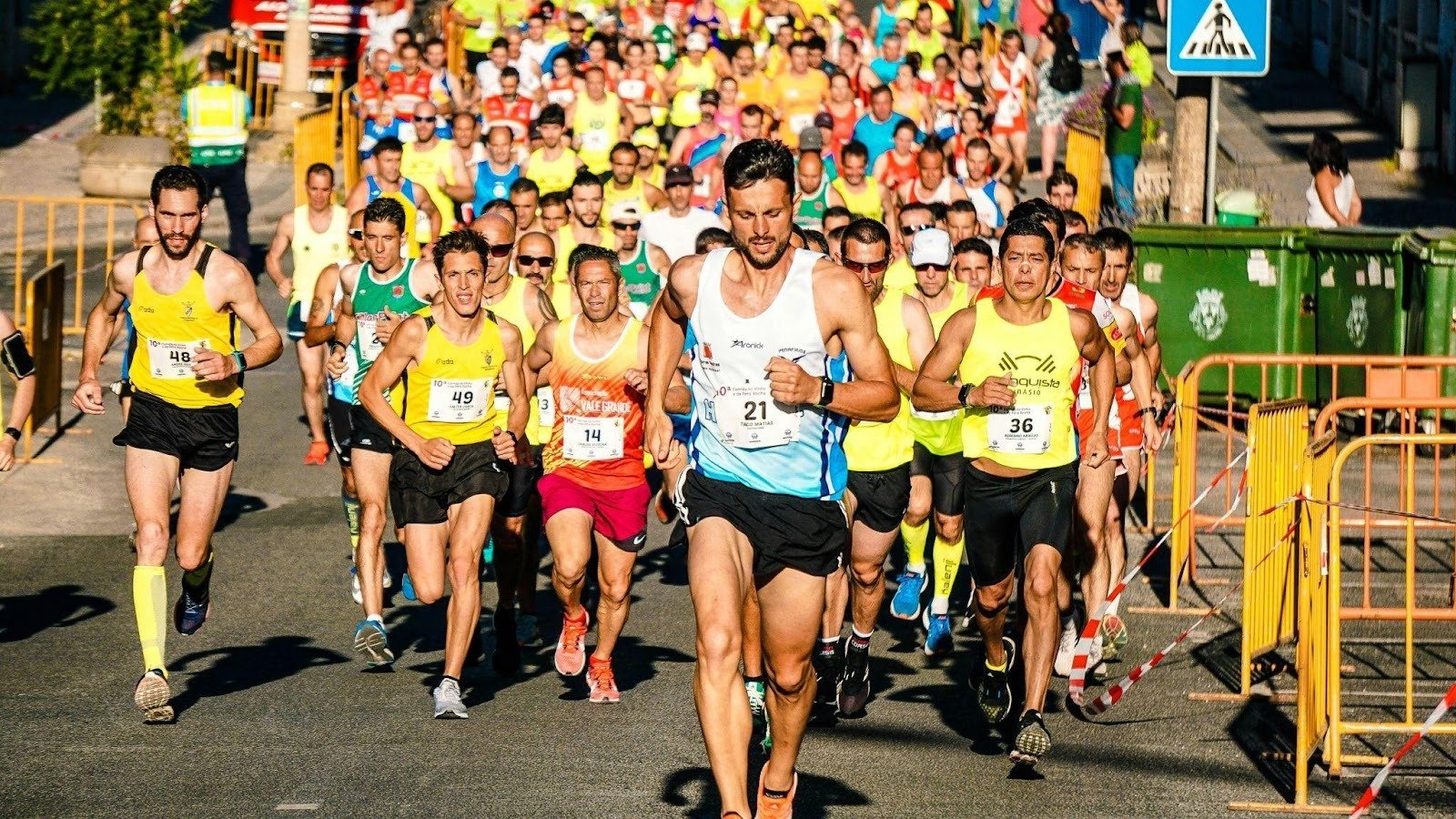
Crowd events look glorious in a drone shot. They look far less glorious up close when someone hits the wall, folds over a barrier, or freezes in the middle of the course. Great crew teams know the real work starts exactly there. They treat breaking points as data, not drama. Every collapsing runner, panicked walker, or furious parent reveals a crack in their plan. Strong crews dig into those moments. Weak ones blame individuals, shrug, and then repeat the same chaos next year. Nothing improves until that reflex changes and accountability becomes non‑negotiable.
Spotting Trouble Ten Minutes Early
Average crews react when someone falls. Strong ones act while the person still looks fine. They track body language in crowds, not just numbers on screens. They exhibit a slower blink rate, a glassy stare, and an odd zigzag pattern in a queue. That means risk. Such risk matters most at mass participation events where people copy each other’s bad decisions with frightening speed. One person refuses water, and five follow. One climbs a barrier, and then others copy. Good crews train their eyes and instincts, relying on them before anyone reaches the deck or before loud blue lights are required.
Clear Words Beat Fancy Systems
Teams often love gadgets, including radios, dashboards, coloured flags, and endless apps, but none of these tools can save a person who cannot understand a steward’s shouted instructions. Strong crews focus closely on language, using short phrases, avoiding jargon, and giving instructions one at a time. They drill communication as seriously as they drill the procedure itself, keeping their voices calm, their words direct, and their expressions free from panic. They also remove unnecessary wording from signage, because people under extreme stress often read only in fragments and respond better to one verb, one arrow, and one colour. Fancy technology may impress managers, but simple speech protects people on the ground and helps keep tempers from flaring.
Rotation, Not Heroics
Exhausted crew members often miss obvious danger, and that is predictable rather than tragic. Strong teams treat staff fatigue as a safety hazard, not a badge of honour. They plan rotations with the same care that medics use when managing drugs, ensuring the right dose, interval, and patient are in place. They provide quiet decompression spaces, hot drinks, and a quick emotional check after a difficult incident. No one remains on a high-stress post for an entire shift. Heroes may look romantic in reports, but in the real world, they forget to notice the child slipping under the barrier or the runner swaying in silence.
The Debrief That Actually Hurts
Many events include debriefs that feel like group therapy for managers, but strong crews run debriefs that sting a little. Every near miss is treated as a free warning from the universe. They keep the names of real people front and centre, not just “a participant,” but the woman in blue at Gate Four who nearly fainted in front of her children. That level of detail prevents complacency and helps patterns emerge, whether the issue involves the wrong barrier choice, poor signage, or a weak radio handover. Painful honesty today leads to fewer sirens next year and fewer apologies.
Conclusion
Crowd safety looks technical on paper, yet it runs on very human habits. They prioritise attention, language, rest, and honest reflection. Successful crews approach every critical situation as a shared responsibility, never as a personal failure. They design for the moment when judgement narrows, and legs shake. They protect the participant’s dignity as carefully as their vital signs. That approach requires stubborn discipline, not genius. Any team can move in that direction, from a tiny charity run to a huge city event. The question is whether the organisers care enough to change comfortable routines and challenge their own pride.
Image attributed to Pexels.com