

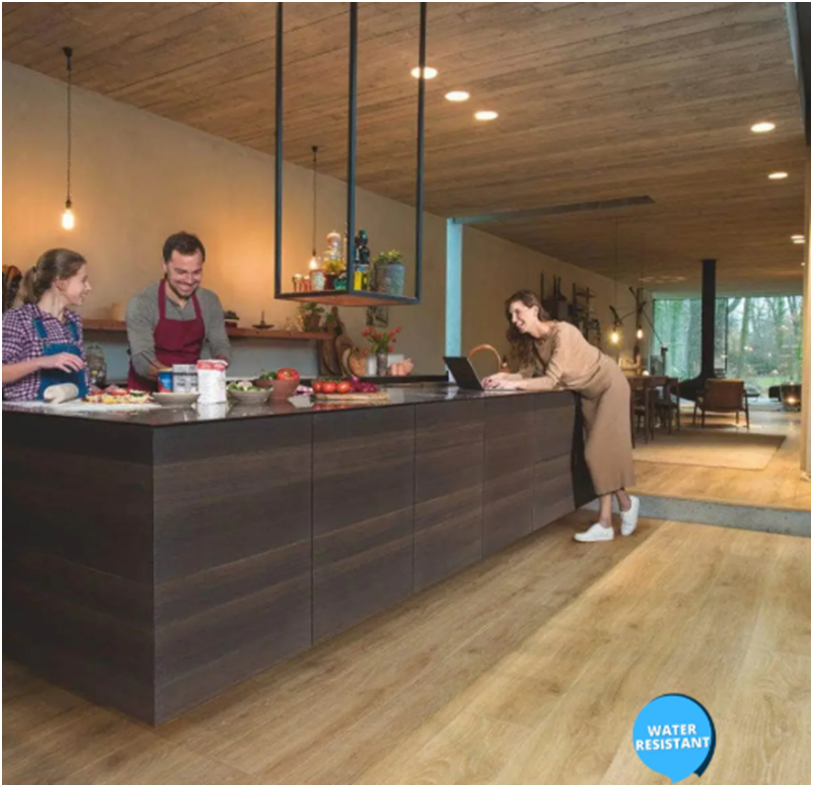
Sustainability has become one of the most important considerations for us at Floor Land. The same is true for many UK homeowners when choosing new flooring. As awareness grows around carbon footprints, responsible sourcing and long‑term environmental impact, people are looking more closely at the materials they bring into their homes. Laminate flooring, once seen purely as a practical and affordable option, has emerged as a surprisingly eco‑friendly choice — especially compared to many traditional flooring materials.
In this article, we explore the environmental impact of laminate flooring, how it’s made, what makes it sustainable and what homeowners should consider when choosing an eco‑conscious floor.
Laminate Flooring: A Sustainable Choice
Laminate flooring is often misunderstood. Some assume it’s made from plastics or synthetic materials, but in reality, laminate is primarily composed of wood fibres, making it far more natural than many people realise.
Most laminate flooring is made from:
• Recycled wood fibres
• By‑products of the timber industry
• Sustainably sourced wood
• Low‑emission resins
This means laminate flooring makes use of materials that might otherwise go to waste, reducing the need for new timber and lowering environmental impact.
How Laminate Flooring Is Made And Why It Matters
Understanding the manufacturing process helps explain why laminate flooring is considered environmentally responsible.
1. The Core Layer: Made from Recycled Wood Fibres
The core of laminate flooring is typically High‑Density Fibreboard (HDF), created by compressing wood fibres with resin. These fibres often come from:
• Sawdust
• Wood chips
• Offcuts
• Forestry by‑products
Instead of being discarded or burned, these materials are repurposed into a durable, stable flooring core.
2. The Decorative Layer: High‑Definition Printing
The decorative layer is a printed image that replicates wood, stone or other natural materials. Because laminate uses printed designs, it reduces the demand for exotic or slow‑growing hardwood species.
3. The Wear Layer: Durable and Long‑Lasting
The top layer is a protective coating made from melamine resin. While this is a synthetic material, it significantly extends the lifespan of the floor — reducing waste over time.
4. The Backing Layer: Stability and Protection
The backing layer helps balance the plank and protect it from moisture. Like the core, it often uses recycled materials.
Together, these layers create a product that is both durable and resource‑efficient.
Responsible Sourcing and Certification
Many laminate flooring manufacturers follow strict environmental standards. When choosing laminate flooring, look for certifications such as:
FSC® (Forest Stewardship Council)
Ensures wood fibres come from responsibly managed forests.
PEFC™ (Programme for the Endorsement of Forest Certification)
Guarantees sustainable forestry practices.
E1 or E0 Emission Ratings
Indicate low formaldehyde emissions, improving indoor air quality.
Blue Angel or similar eco‑labels
Awarded to products that meet high environmental standards.
At Floor Land, we prioritise laminate flooring from manufacturers who follow responsible sourcing and low‑emission production processes.
Laminate Flooring vs Other Flooring Types: Environmental Comparison
To understand laminate’s environmental impact, it helps to compare it with other popular flooring materials.
Laminate vs Solid Wood
Solid wood flooring requires large quantities of timber, often from slow‑growing species. Laminate uses recycled fibres and printed designs, reducing the need for new hardwood.
Laminate vs Engineered Wood
Engineered wood is more sustainable than solid wood, but still requires a real hardwood top layer. Laminate avoids this entirely.
Laminate vs Vinyl
Vinyl flooring is durable and waterproof, but it is made from PVC — a plastic with a more complex environmental footprint. Laminate contains far more natural material.
Laminate vs Carpet
Carpet often contains synthetic fibres and requires frequent replacement. Laminate lasts longer and is easier to recycle.
Overall, laminate flooring offers a strong balance of sustainability, durability and affordability.
Energy Efficiency and Manufacturing Improvements
Modern laminate flooring manufacturers have made significant strides in reducing energy consumption and emissions during production.
Improvements include:
• Using biomass energy from wood waste
• Reducing water usage
• Lowering emissions from resins
• Recycling offcuts and production waste
• Investing in cleaner manufacturing technologies
These advancements help laminate flooring maintain a lower carbon footprint compared to many alternatives.
Longevity: A Key Factor in Sustainability
One of the most overlooked aspects of sustainability is product lifespan. A floor that lasts 20–30 years is far more environmentally friendly than one that needs replacing every 5–10 years.
Laminate flooring is built to last thanks to:
• Scratch‑resistant wear layers
• Impact‑resistant cores
• UV‑stable surfaces
• Moisture‑resistant technology
The longer a floor lasts, the fewer materials end up in landfill — and the fewer resources are needed for replacements.
Indoor Air Quality: A Healthier Home Environment
Eco‑friendly flooring isn’t just about the planet — it’s also about the air you breathe. High‑quality laminate flooring is manufactured with low‑emission resins and adhesives, helping maintain healthy indoor air quality.
Look for:
• E1 or E0 formaldehyde ratings
• Low‑VOC certifications
• Products free from harmful chemicals
These standards ensure your flooring contributes to a safe, comfortable home environment.
End‑of‑Life Recycling and Disposal
Laminate flooring can be recycled at the end of its life. Because it is primarily made from wood fibres, it can be repurposed into:
• Particleboard
• Energy pellets
• Composite materials
• Construction fillers
While recycling facilities vary by region, laminate flooring is far easier to recycle than vinyl or carpet.
Why Laminate Flooring Is a Smart Eco‑Friendly Choice
When you consider its recycled content, responsible sourcing, long lifespan and low emissions, laminate flooring stands out as one of the most environmentally balanced flooring options available.
At Floor Land, we offer laminate flooring from manufacturers committed to sustainability, ensuring homeowners can enjoy stylish, durable floors with a reduced environmental impact.
Laminate flooring isn’t just practical and affordable — it’s a smart choice for the planet too.
Authored by Lee McCarthy.
Floor Land
Cockhedge Shopping Centre
Warrington
Cheshire
United Kingdom
WA1 2QQ