

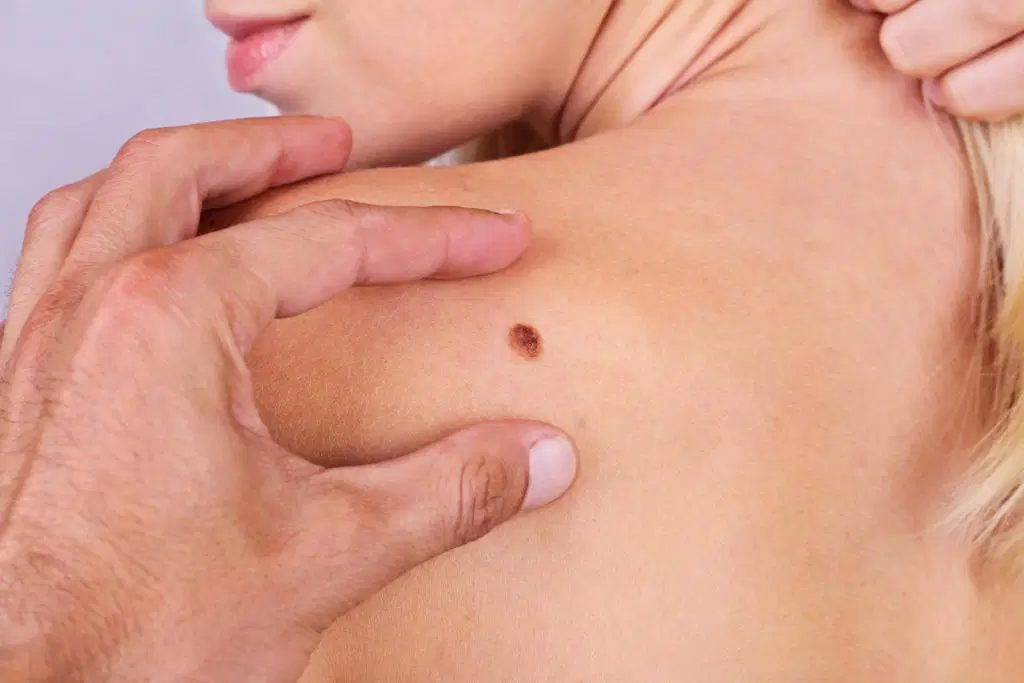
Lumps and bumps on the skin are common and often harmless, but some can indicate underlying skin cancer. In the UK, awareness of these warning signs is essential due to rising skin cancer rates linked to sun exposure and lifestyle factors.
Understanding how skin cancer related lumps present can help individuals seek timely medical advice and improve long term outcomes.
What Are Skin Cancer Related Lumps and Bumps
Skin cancer related lumps and bumps are abnormal growths that develop due to uncontrolled skin cell changes, often triggered by ultraviolet exposure. These growths can vary widely in appearance, which is why early assessment by a specialist clinic such as Rejuvence Clinic plays a vital role in accurate diagnosis and reassurance.
Common features may include
- New lumps that appear suddenly without injury
- Changes in size, shape, or colour over time
- Rough, scaly, or crusted surfaces
- Lumps that bleed, itch, or fail to heal
- Persistent lesions lasting more than four weeks
Types of Skin Cancer That Can Cause Lumps and Bumps
Different skin cancers produce different types of lumps, making it important to understand their characteristics. Some are slow growing and localised, while others can spread if not detected early.
Basal Cell Carcinoma
Basal cell carcinoma is the most common skin cancer in the UK and often appears as a pearly or translucent lump. It usually develops on sun exposed areas such as the face or neck and grows slowly over time. Although it rarely spreads, untreated cases can damage surrounding tissue.
Squamous Cell Carcinoma
Squamous cell carcinoma often presents as a firm red lump or scaly patch that may crust or bleed. It commonly affects areas exposed to sunlight, including the scalp, ears, and hands. Early treatment is important as this cancer can spread if neglected.
Melanoma
Melanoma is less common but significantly more dangerous than other skin cancers. It may develop from an existing mole or appear as a new dark lump with uneven edges or colours. Early detection dramatically improves survival rates.
Merkel Cell Carcinoma
Merkel cell carcinoma is rare but aggressive and usually appears as a fast growing, painless lump. It often affects older adults and sun exposed skin. Prompt referral to a specialist is essential due to its rapid progression.
Skin Lymphoma
Skin lymphoma can appear as lumps, plaques, or thickened patches that do not respond to typical treatments. These lesions may resemble eczema or psoriasis initially. Diagnosis often requires a biopsy for confirmation.
Kaposi Sarcoma
Kaposi sarcoma presents as purplish or brownish lumps and is linked to immune system compromise. It can affect both the skin and internal organs. Early assessment helps guide appropriate management.
Risk Factors for Developing Skin Cancer Lumps
Certain factors increase the likelihood of developing skin cancer related lumps and bumps. Understanding these risks helps individuals take preventive steps.
Sun Exposure
Excessive ultraviolet exposure is the leading cause of skin cancer in the UK. Intermittent intense sun exposure, particularly during holidays abroad, significantly increases risk. Consistent sun protection reduces cumulative damage.
Skin Type
People with fair skin, freckles, or light hair are more vulnerable to sun damage. Their skin produces less protective pigment, increasing susceptibility. Extra care is recommended for these individuals.
Age
Skin cancer risk increases with age due to prolonged sun exposure over a lifetime. However, younger people are also at risk, particularly those with a history of sunburn. Regular monitoring is important for all age groups.
Family History
A family history of skin cancer increases personal risk. Genetic predisposition can make the skin more sensitive to UV damage. Informing healthcare providers supports appropriate screening.
Weakened Immune System
Individuals with weakened immune systems face higher skin cancer risks. This includes those on immunosuppressive medication. Close monitoring is essential for early detection.
How to Identify Suspicious Lumps and Bumps
Recognising warning signs allows earlier medical intervention. Paying attention to changes over time is particularly important.
Rapid Growth
A lump that grows noticeably within weeks should be examined. Rapid growth often signals abnormal cell activity. Early assessment helps rule out serious causes.
Irregular Shape or Colour
Uneven borders or multiple colours may indicate malignancy. Changes in appearance are often more important than size alone. Documenting changes with photos can be helpful.
Persistent Symptoms
Lumps that itch, bleed, or do not heal require medical attention. Persistent symptoms suggest more than minor irritation. Professional evaluation ensures accurate diagnosis.
Firm or Fixed Texture
Cancerous lumps may feel firm and attached to deeper tissue. They often do not move freely under the skin. This physical trait can be an important warning sign.
Pain or Sensitivity
Some malignant lumps cause tenderness or discomfort. New pain associated with a lump should not be ignored. It may indicate inflammation or deeper involvement.
Diagnosis and Assessment in the UK
In the UK, diagnosis typically begins with a GP referral followed by specialist assessment. Early engagement with healthcare services is encouraged.
Clinical Examination
Dermatologists assess lumps using visual inspection and dermoscopy. This tool magnifies skin structures for detailed evaluation. It helps determine whether further testing is needed.
Biopsy Procedure
A biopsy involves removing a small tissue sample for laboratory analysis. It provides definitive diagnosis. Results guide treatment planning.
Imaging Support
Imaging may be used for deeper or complex cases. Ultrasound helps assess tissue involvement. These tests are arranged by specialists.
Multidisciplinary Review
Complex cases are reviewed by specialist teams. This ensures evidence based decision making. Collaboration improves treatment outcomes.
Follow Up Care
Ongoing follow up is crucial after diagnosis. Regular reviews detect recurrence or new lesions early. Long term monitoring is personalised.
Treatment Options for Skin Cancer Related Lumps
Treatment depends on cancer type, stage, and location. Modern dermatology offers effective solutions with high success rates.
Surgical Removal
Surgical excision is the most common treatment. It removes cancerous tissue with a margin of healthy skin. Early surgery leads to excellent outcomes.
Mohs Surgery
Mohs surgery removes cancer layer by layer while preserving healthy tissue. It is often used for facial areas. Cure rates are exceptionally high.
Topical Therapies
Some early stage cancers respond to prescription creams. These treatments target abnormal cells directly. Specialist supervision is required.
Radiotherapy
Radiotherapy is used when surgery is unsuitable. It targets cancer cells precisely. This option is often considered for older patients.
Long Term Skin Surveillance
After treatment, regular skin checks remain essential. Many patients benefit from professional screening services. Ongoing monitoring helps protect long term skin health, including specialist skin cancer assessments available through Rejuvenceclinic.co.uk.
Prevention and Skin Protection
Prevention plays a vital role in reducing skin cancer risk. Simple habits can make a significant difference.
- Apply sunscreen daily during warmer months
- Avoid sunbeds and artificial tanning
- Wear protective clothing outdoors
- Perform monthly skin self checks
- Attend professional skin examinations when advised
Conclusion
Skin cancer related lumps and bumps can be subtle, making awareness and early action essential. For UK residents, understanding risk factors, recognising warning signs, and accessing timely medical care greatly improves outcomes. Staying informed and proactive is the most effective way to protect long term skin health.