

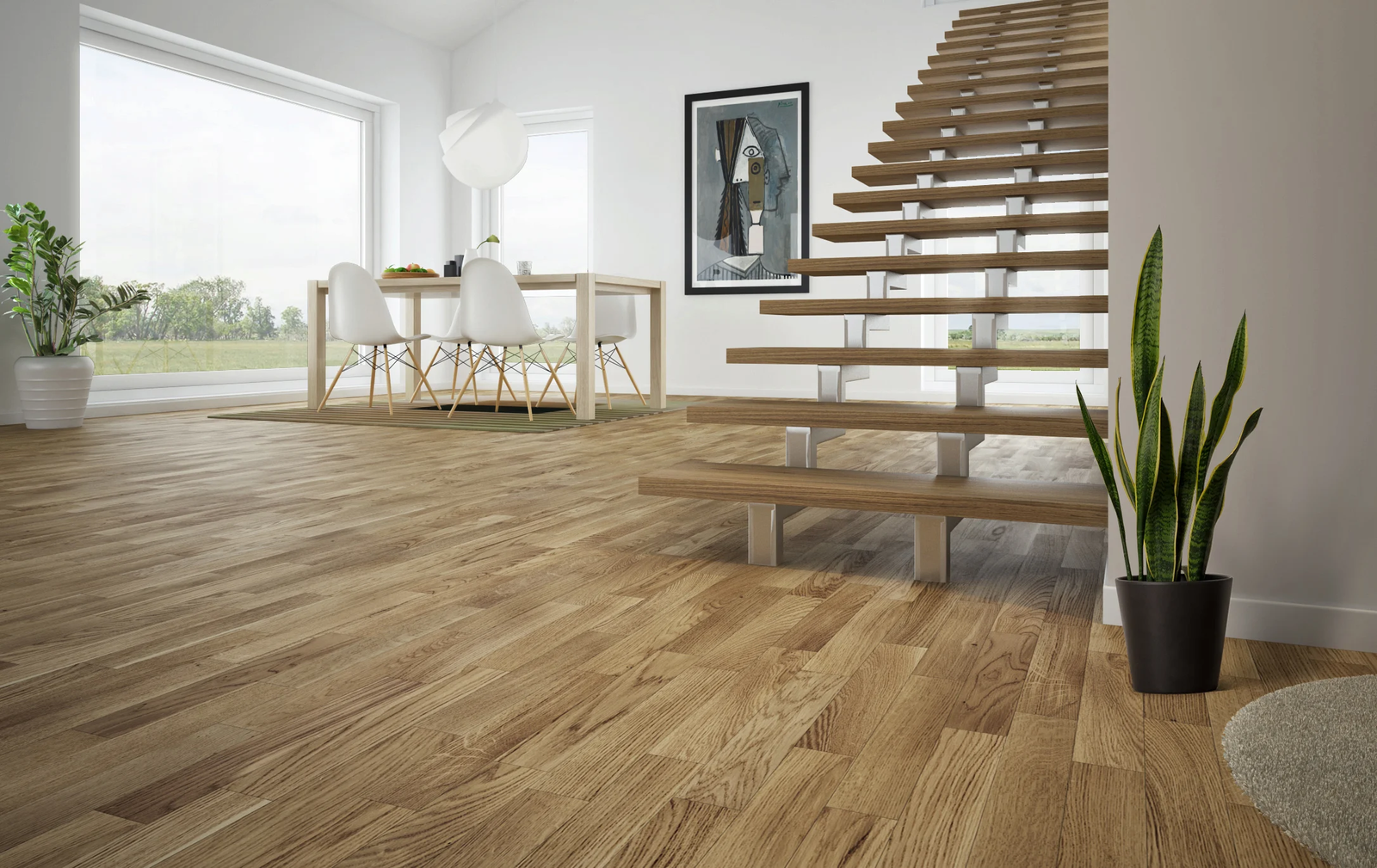
Renovation projects often start with paint colours, kitchen layouts or furniture ideas. Flooring is usually left until later, treated as a finishing touch rather than a foundation. That mindset is quietly changing and for good reason.
More homeowners and designers are discovering that flooring influences almost every other design decision. From layout and lighting to furniture scale and mood, the floor sets the tone long before walls are dressed or sofas are chosen.
Flooring Defines the Visual Direction
Flooring covers the largest surface area in a home. Its colour, texture and pattern have an immediate impact on how a space feels.
A warm engineered oak floor creates a very different atmosphere to pale stone-effect LVT or a bold parquet pattern. Once that decision is made, other choices become clearer:
- Wall colours naturally follow the undertone of the floor
- Furniture finishes feel either harmonious or out of place
- Soft furnishings are easier to layer with confidence
Starting with flooring avoids the common problem of forcing a floor to work with choices already made; a compromise that can make interiors feel disjointed.
It Influences Layout and Flow
Renovations often involve rethinking layouts, especially in open-plan spaces. Flooring plays a practical role here.
Plank direction can visually widen narrow rooms or elongate open areas. Parquet flooring, such as herringbone or chevron, can subtly guide movement through a space, helping zones feel connected without physical dividers.
When flooring is chosen early, transitions between rooms can be planned properly. Thresholds, stair landings and changes in level all look more intentional when they’re designed around the floor rather than added as an afterthought.
Practical Decisions Happen Earlier
Flooring isn’t just about appearance. It comes with practical considerations that affect the entire renovation timeline.
Choosing flooring early allows time to plan for:
- Subfloor preparation and levelling
- Underfloor heating compatibility
- Moisture resistance in kitchens and bathrooms
- Acoustic performance in flats or upstairs rooms
Leaving flooring too late can mean rushed decisions, limited options or costly changes to work already completed. Early planning ensures the floor works with the structure of the home, not against it.
Lighting Works Better When Flooring Is Known
Lighting and flooring are closely connected, yet often designed separately.
Light floors reflect more natural and artificial light, making rooms feel brighter and more open. Darker floors absorb light, creating warmth and intimacy but often requiring stronger or layered lighting schemes.
Knowing the floor finish in advance helps lighting plans feel intentional. It prevents harsh reflections, dull corners or lighting that doesn’t flatter the materials underfoot.
Furniture Choices Become Easier
Furniture scale, colour and material all respond to what’s happening at floor level.
A richly toned wood floor pairs naturally with softer upholstery and lighter woods. Concrete-style or stone-effect floors often suit clean lines, metals and structured furniture. Patterned floors usually benefit from simpler furniture silhouettes to avoid visual overload.
When flooring comes first, furniture shopping becomes more focused and less overwhelming and the end result feels balanced rather than busy.
It Encourages Long-Term Thinking
Flooring is one of the most permanent elements in a home. Walls can be repainted, furniture can be replaced, but floors are expected to last.
Prioritising flooring early encourages a more long-term mindset:
- Choosing materials that age well rather than chase trends
- Selecting finishes that cope with pets, children or heavy footfall
- Thinking about resale value and future adaptability
This approach aligns with the growing shift towards slower, more considered home design; spaces that evolve without needing constant replacement.
Is Flooring-First Right for Every Renovation?
Prioritising flooring isn’t about locking everything in too early. It’s about giving the renovation a clear anchor point.
It works particularly well for:
- Whole-home renovations
- Open-plan redesigns
- Homes where cohesion and flow matter
- Projects with long-term occupancy in mind
For smaller updates, flooring may not need to lead every decision, but even then, understanding how it interacts with the rest of the space can prevent expensive mistakes.
Designing From the Floor Up
Treating flooring as the starting point rather than the finishing touch brings clarity to renovation projects. It simplifies decisions, improves flow and creates homes that feel intentional rather than pieced together.
A well-chosen floor doesn’t just support furniture; it supports the entire design story. Starting there allows everything else to fall into place naturally, creating spaces that look better, work harder and last longer.