
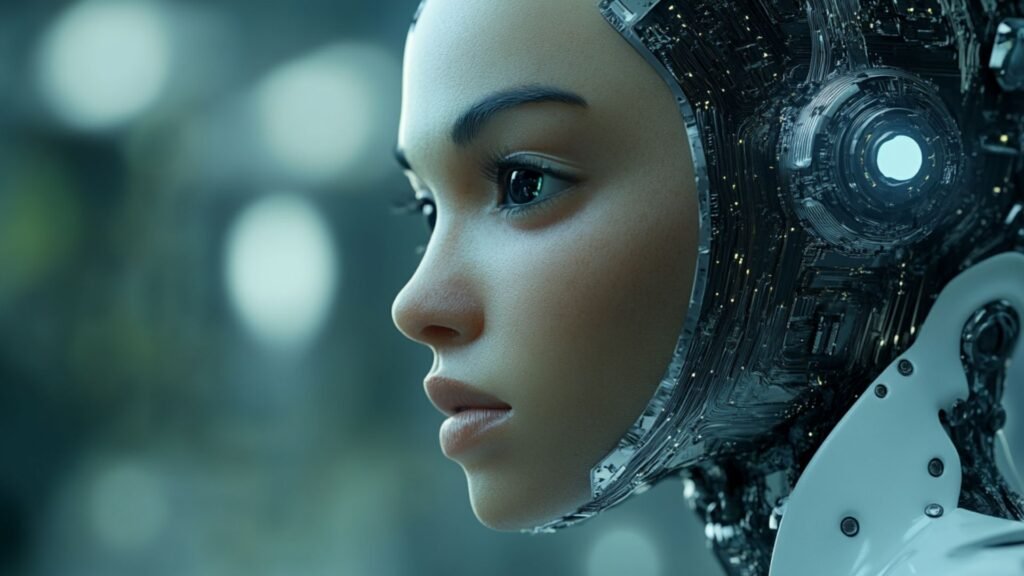
Digital art has evolved dramatically over the past decade, but few innovations have accelerated creativity as much as artificial intelligence. Artists, designers, marketers, and content creators are embracing new technologies that simplify workflows while expanding artistic possibilities. Among the most transformative developments is the rise of AI-powered image creation, which is helping creators produce impressive visuals faster than ever before.
Modern AI image generation tools have become valuable creative companions, allowing users to transform ideas into artwork through text prompts, style references, and intelligent rendering systems. Instead of spending hours building concepts from scratch, creators can explore compositions, experiment with aesthetics, and generate original visuals in minutes. This shift is not replacing creativity it is enhancing how quickly creative ideas can become reality.
A New Era of Faster Digital Art Creation
Creating compelling artwork traditionally requires time-intensive processes. Artists often move through multiple stages:
- Brainstorming concepts
- Sketching rough drafts
- Refining compositions
- Selecting colors and styles
- Revising multiple versions
- Finalizing polished artwork
This process remains essential, but AI is accelerating many of these stages.
Rather than beginning with a blank canvas, creators can start with generated concepts and build from there. What once took hours of manual exploration can often begin with a single prompt.
This speed is changing how artwork gets created.
Turning Ideas Into Visuals in Minutes
One of the biggest advantages of AI-generated imagery is how quickly abstract ideas can become visual outputs.
A creator can describe:
- A fantasy landscape at sunset
- A futuristic city scene
- A cinematic portrait
- A surreal concept illustration
- A minimalist poster design
And receive multiple interpretations within moments.
That speed allows creators to move from imagination to experimentation almost instantly.
Instead of spending long periods wondering whether an idea will work visually, creators can test it right away.
That alone transforms creative momentum.
Faster Concept Development for Artists
Concept development can often consume a large portion of creative projects.
Exploring visual directions usually takes time.
AI is making this stage dramatically faster.
Artists use generated imagery to explore:
- Character concepts
- Environment ideas
- Mood and lighting studies
- Costume variations
- Visual storytelling scenes
- Composition options
Instead of manually sketching every variation, creators can generate multiple possibilities quickly and refine the strongest direction.
This often leads to stronger concepts produced in less time.
Speed Without Sacrificing Creativity
Some assume faster creation means lower artistic value.
In practice, speed often supports deeper creativity.
When repetitive tasks are reduced, creators can focus more energy on:
- Artistic choices
- Storytelling
- Composition
- Style refinement
- Originality
Rather than replacing imagination, faster workflows can create more room for it.
The goal is not simply producing artwork quickly.
It is producing stronger artwork with greater creative freedom.
Why AI Helps Creators Work Faster
Several factors make AI-generated art particularly efficient.
Rapid Experimentation
Traditional experimentation can be slow.
Testing multiple directions manually takes effort.
AI allows creators to explore numerous possibilities rapidly.
One prompt can produce different:
- Art styles
- Color palettes
- Perspectives
- Moods
- Textures
- Compositions
This encourages experimentation that may not happen in slower workflows.
Sometimes the unexpected results lead to the strongest ideas.
Reducing Time Spent on Rough Drafts
Rough ideation often takes substantial time.
AI can accelerate early-stage exploration by generating concept foundations creators can refine further.
Many artists use generated outputs as:
- Sketch references
- Composition inspiration
- Style exploration tools
- Starting points for finished pieces
This can reduce hours of preliminary work.
Helping Overcome Creative Blocks
Every creator encounters creative block.
Sometimes the challenge is not skill but momentum.
AI can help spark ideas when inspiration stalls.
Unexpected generated concepts can trigger new directions artists might not have considered.
For many creators, that alone makes these tools valuable.
Supporting Different Types of Creators
One reason AI image generation is growing so quickly is its versatility.
It supports many kinds of creative work.
Digital Artists
Artists use it for concept ideation, references, and experimentation.
Content Creators
Bloggers and social creators generate custom visuals faster.
Designers
Designers use AI for brainstorming and rapid prototyping.
Entrepreneurs
Business owners create artwork and branded visuals without large budgets.
Illustrators
Illustrators explore concepts before developing final hand-crafted pieces.
The technology adapts to many creative needs.
AI as a Creative Assistant
Many professionals do not see AI as replacing artistry.
They treat it as a creative assistant.
The artist still controls:
- The idea
- The prompt direction
- Style decisions
- Editing choices
- Final execution
AI helps generate possibilities.
Humans shape those possibilities into meaningful work.
That collaboration is where much of the value lies.
More Iteration Means Better Artwork
Great creative work often comes through iteration.
The problem is iteration can be slow.
AI dramatically increases how many ideas can be tested.
A creator can compare dozens of variations in the time it once took to produce a few.
That often improves final quality.
More exploration can lead to:
- Better compositions
- Stronger visual storytelling
- More original outcomes
- Refined aesthetics
Faster generation often leads to more thoughtful final choices.
Making High-Quality Art More Accessible
One major reason AI image generation matters is accessibility.
Many aspiring creators have strong ideas but limited technical skills.
AI lowers barriers.
People without formal art training can experiment with visual creation in ways that were once difficult.
This democratization is expanding who gets to participate in creative work.
That may be one of its most important impacts.
Custom Artwork Instead of Generic Visuals
Creators often rely on stock imagery when custom visuals are difficult to produce.
But stock images can feel repetitive.
AI offers a path toward original artwork tailored to specific needs.
Creators can generate visuals aligned with:
- Brand identity
- Story themes
- Audience interests
- Personal artistic style
That originality often improves engagement and creative distinction.
The Role of Prompting in Faster Artwork Creation
Prompt writing has become a creative skill of its own.
Strong prompts often lead to stronger outputs.
Creators refine prompts using details like:
- Lighting conditions
- Artistic styles
- Camera perspectives
- Textures
- Color moods
- Visual references
Prompting is increasingly part of digital artistry.
And mastering it often improves both speed and quality.
Industries Benefiting From Faster AI Artwork
The impact goes far beyond independent artists.
Industries using AI-generated artwork include:
Marketing
Generating campaign visuals and ad concepts.
Gaming
Supporting concept art and environment ideation.
Publishing
Creating illustrations and cover concepts.
Education
Building engaging visual learning materials.
Entertainment
Exploring visual development for stories and media.
This broad adoption shows the technology is influencing creative industries at scale.
Challenges to Keep in Mind
Despite the advantages, thoughtful use matters.
Conversations continue around:
- Copyright concerns
- Ethical sourcing
- Artistic ownership
- Responsible disclosure
- Originality questions
These discussions are important as the technology matures.
Innovation works best when paired with responsible practice.
The Future of Faster Creative Workflows
AI image generation is still evolving rapidly.
Future tools may bring:
- More advanced editing controls
- Real-time collaboration with AI
- Better consistency across projects
- Integration with professional art software
- Personalized creative assistants
- Interactive visual generation environments
As these capabilities improve, creative workflows may become even more fluid.
The relationship between artist and tool will likely deepen.
Why This Matters for Creators
For creators, time often shapes what is possible.
Faster workflows can mean:
- More content produced
- More ideas explored
- More experimentation
- Less creative friction
- Greater productivity
That matters whether someone is building an art portfolio, running a business, or creating digital content.
Speed alone is not the goal.
Creative freedom is.
And faster creation often supports that freedom.
Final Thoughts
AI image generation tools are helping creators produce stunning artwork faster by accelerating ideation, reducing repetitive tasks, expanding experimentation, and making original visual creation more accessible.
Their greatest strength is not automation alone.
It is creative amplification.
They help creators move from idea to artwork with less friction and more possibilities.
For artists, designers, and digital creators, that opens exciting new opportunities.
And as these tools continue evolving, they are likely to become an even more important part of how modern artwork gets made.